Methodology
Curator’s Note
Ciana · curator
Why these productions, what counts as evidence, and why the work is a museum rather than a book.
The thesis
Broadway is a historical archive of American culture. I did not arrive at that claim in a seminar. I arrived at it by sitting in the dark, year after year, and later noticing that the shows were arguing with one another—and with the country outside the theatre.
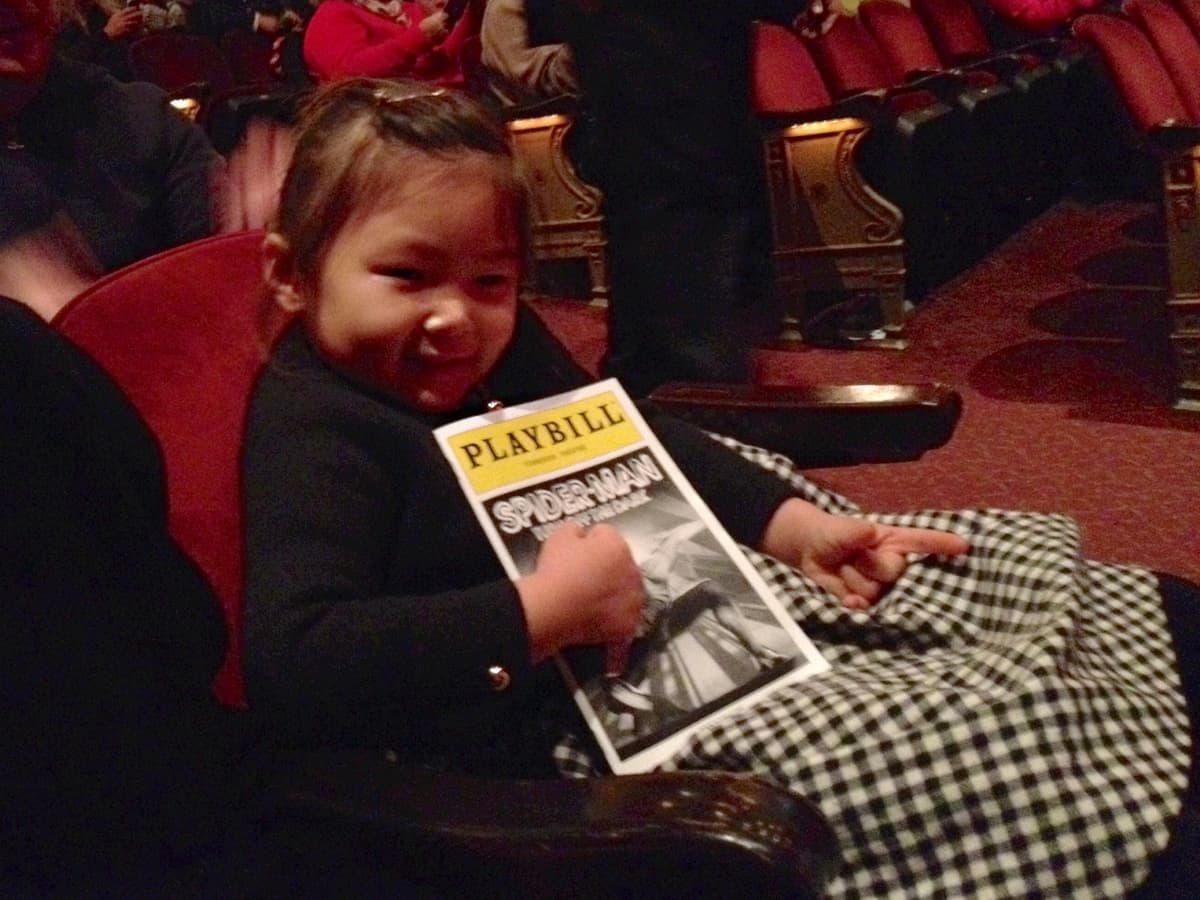
The origin story is simple. I saw my first Broadway production at three. The exhibition is what that habit became once I also became interested in history, journalism, technology, and the ways people tell stories. Those interests did not pull me away from musicals. They gave me better questions to bring back into the house.
Why these productions?
The 2026 research catalog holds 146 titles: precursors, Broadway landmarks, revivals, and works still entering the repertory. The exhibition galleries do not display all of them. Roughly eighty cards were chosen because they can carry a historical argument—not because they are my favorites.
Selection weighed several kinds of significance at once:
- Artistic form: did the production change what a musical could be (integration, concept, score, narrative structure)?
- Cultural pressure: did it make race, immigration, war, gender, class, or national myth newly visible on a commercial stage?
- Technical invention: did stagecraft, amplification, automation, puppetry, or digital scenery become part of the meaning?
- Afterlife: did later artists, revivals, or audiences keep arguing with it?
A title can be commercially huge and still thin as evidence. A title can be historically decisive and still sit outside my personal archive. Both facts matter. The catalog is the wider net. The galleries are the argument.
What “I was there” means
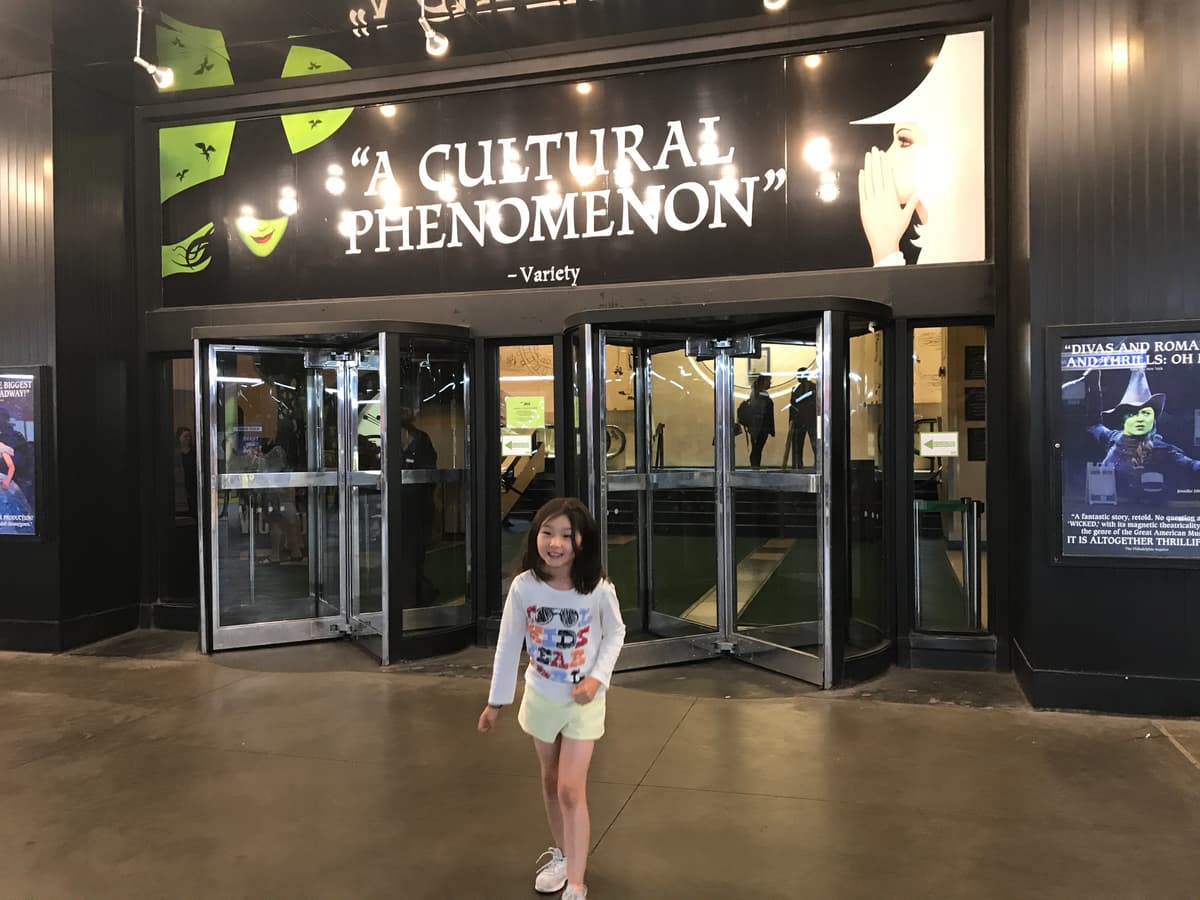
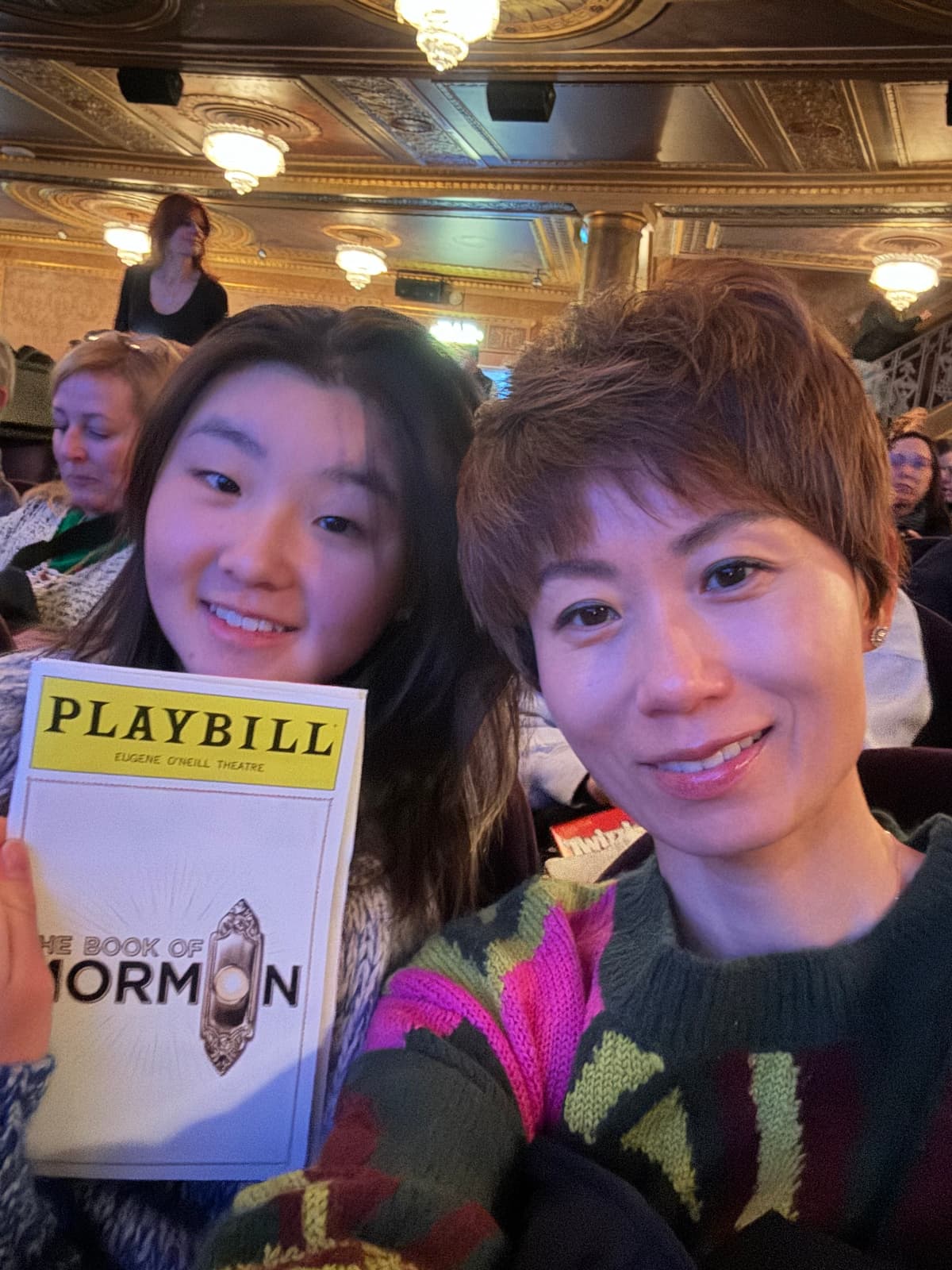
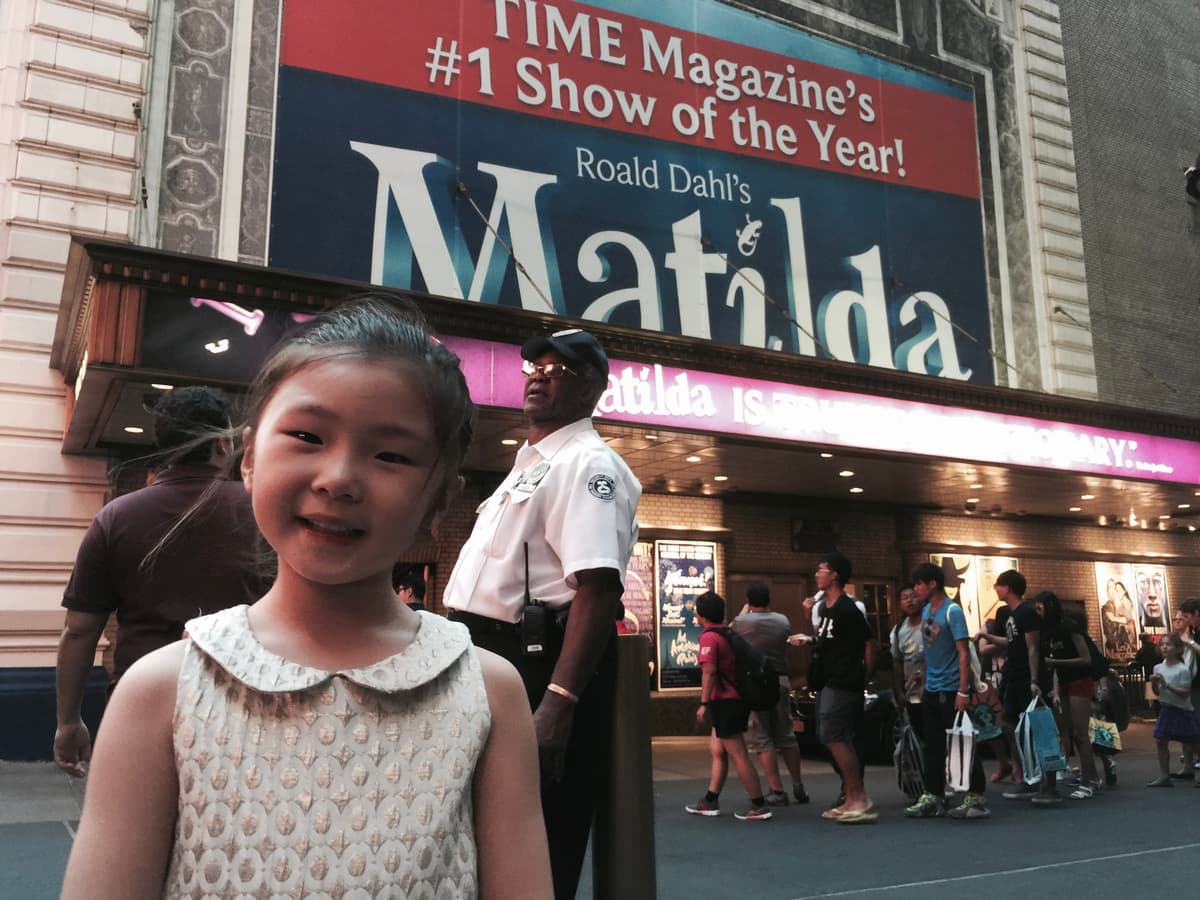
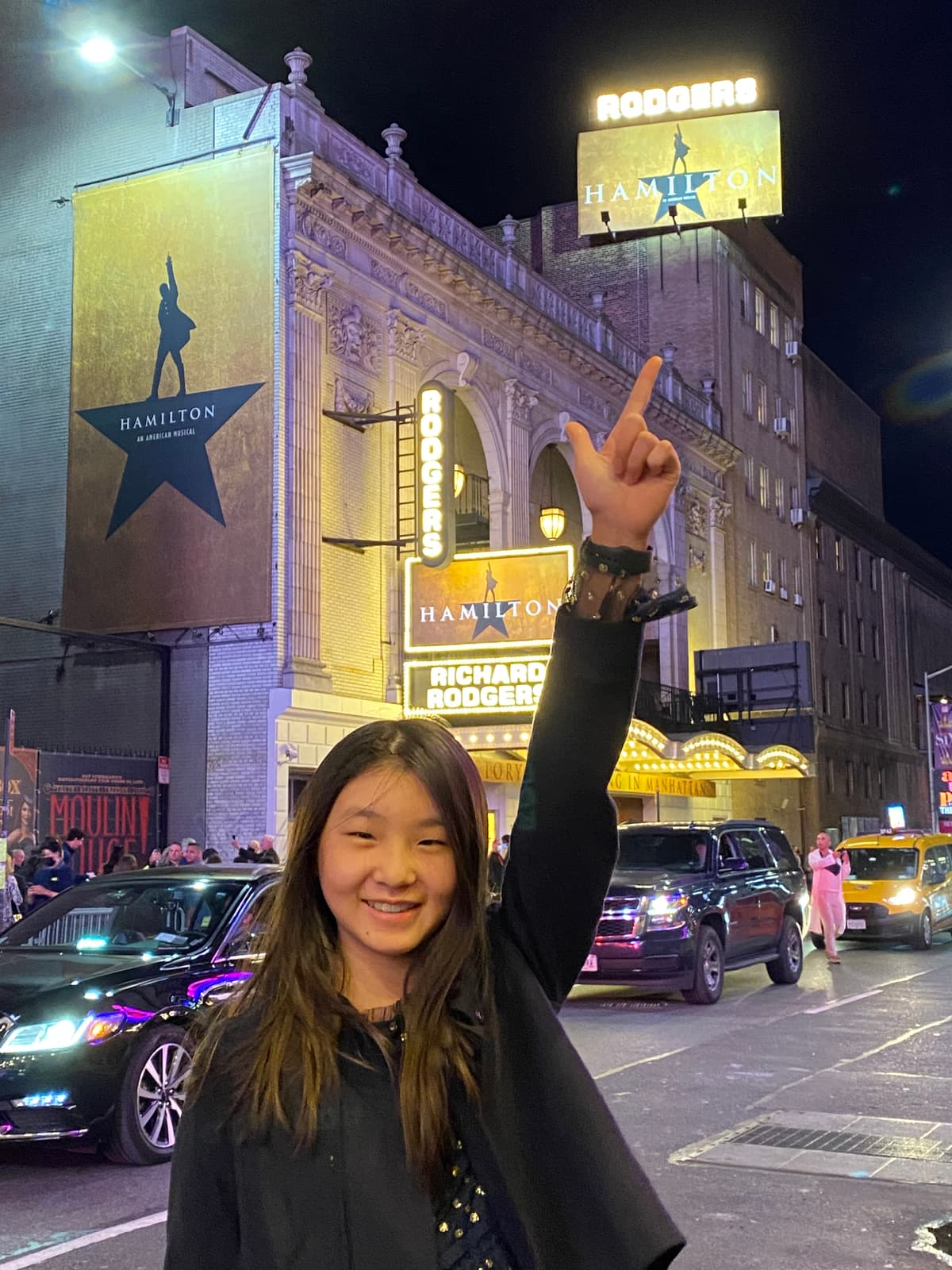
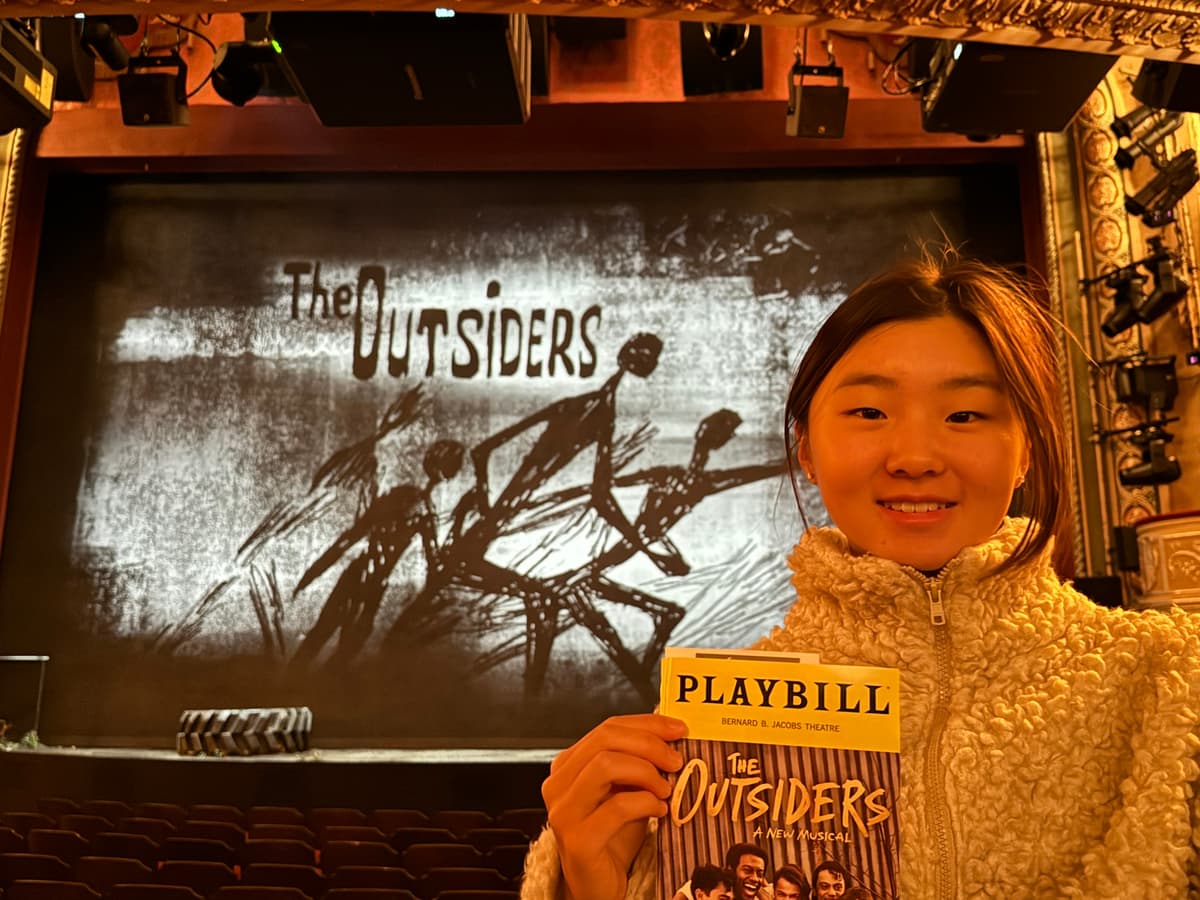
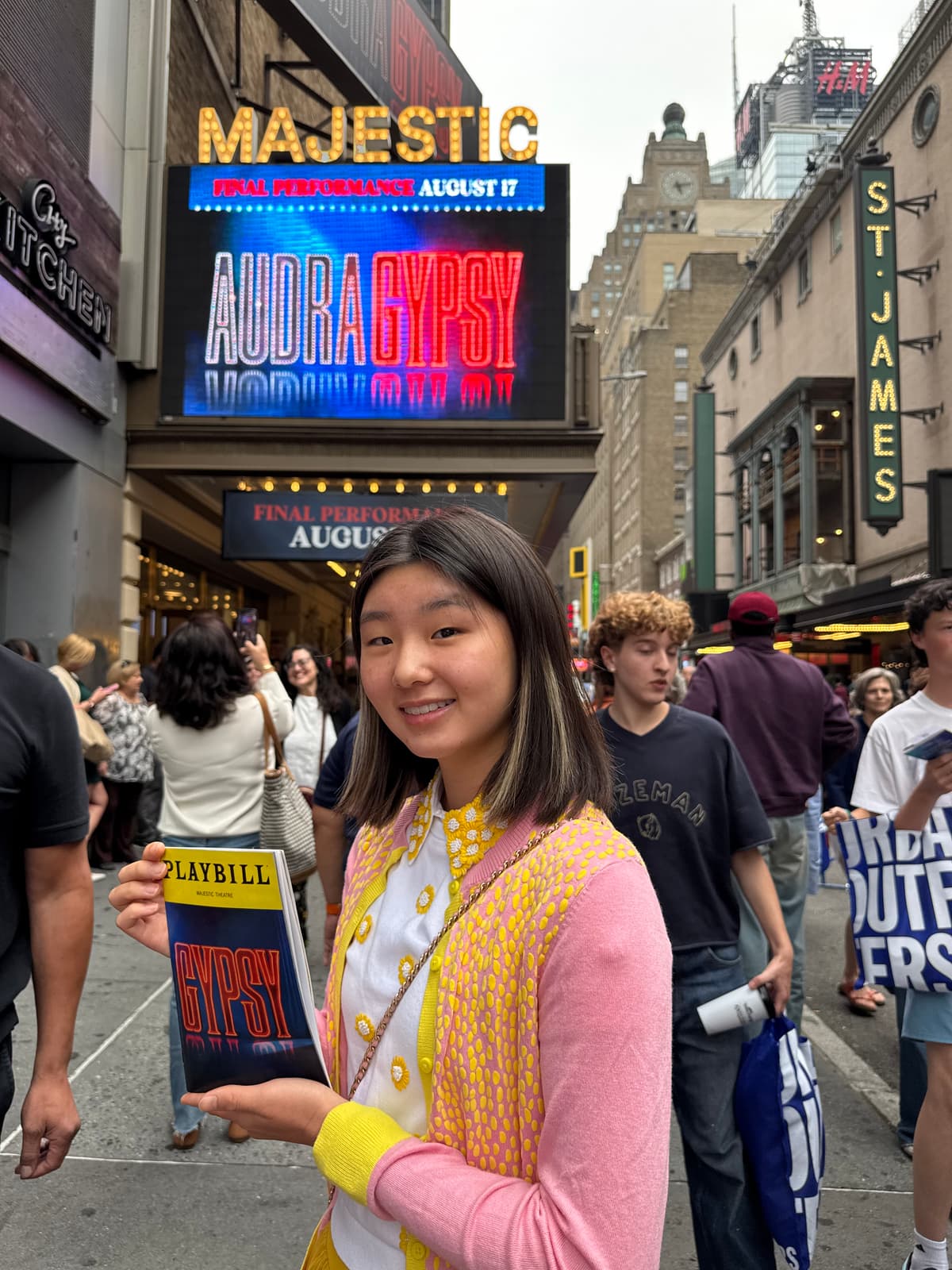
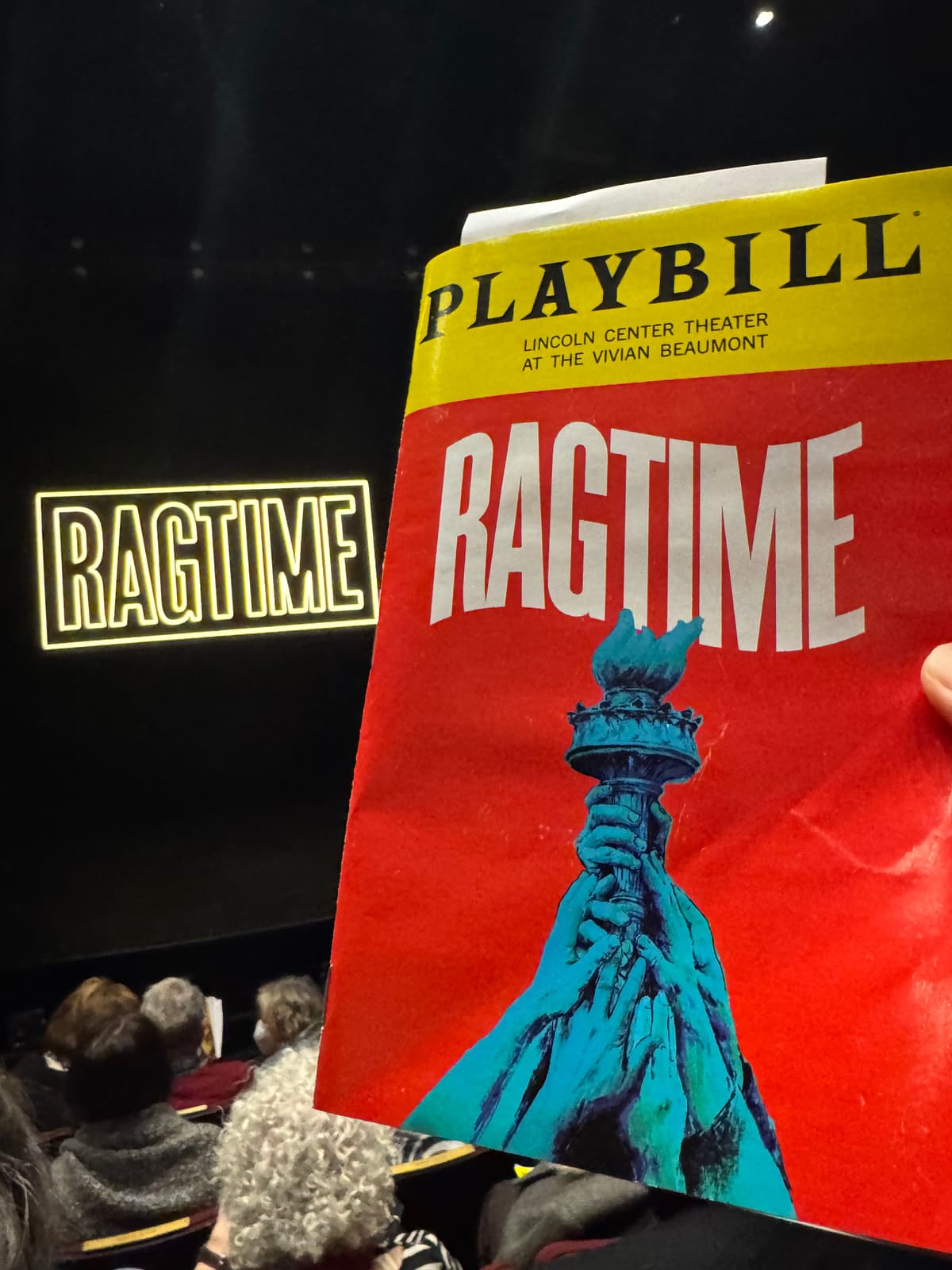
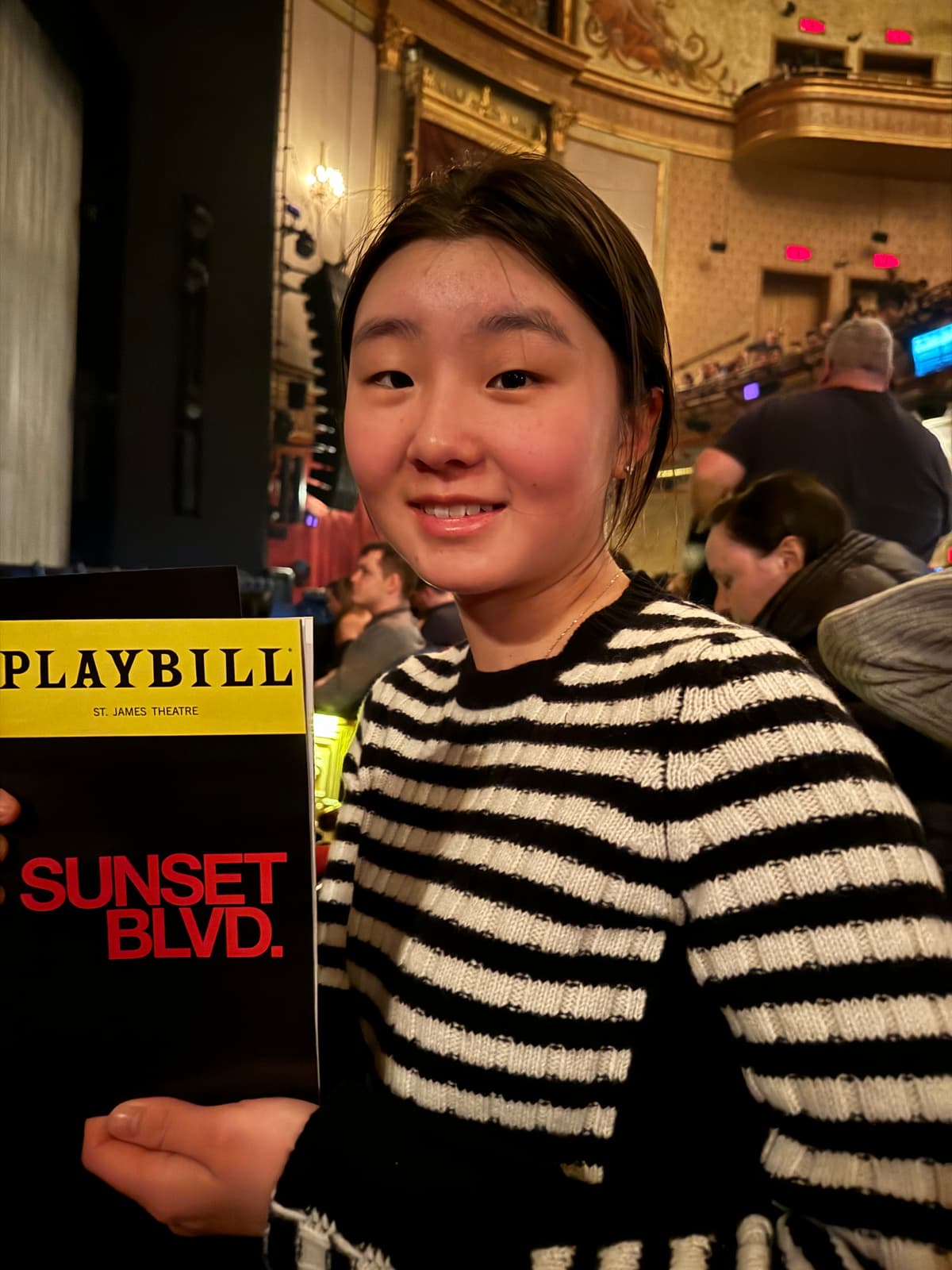
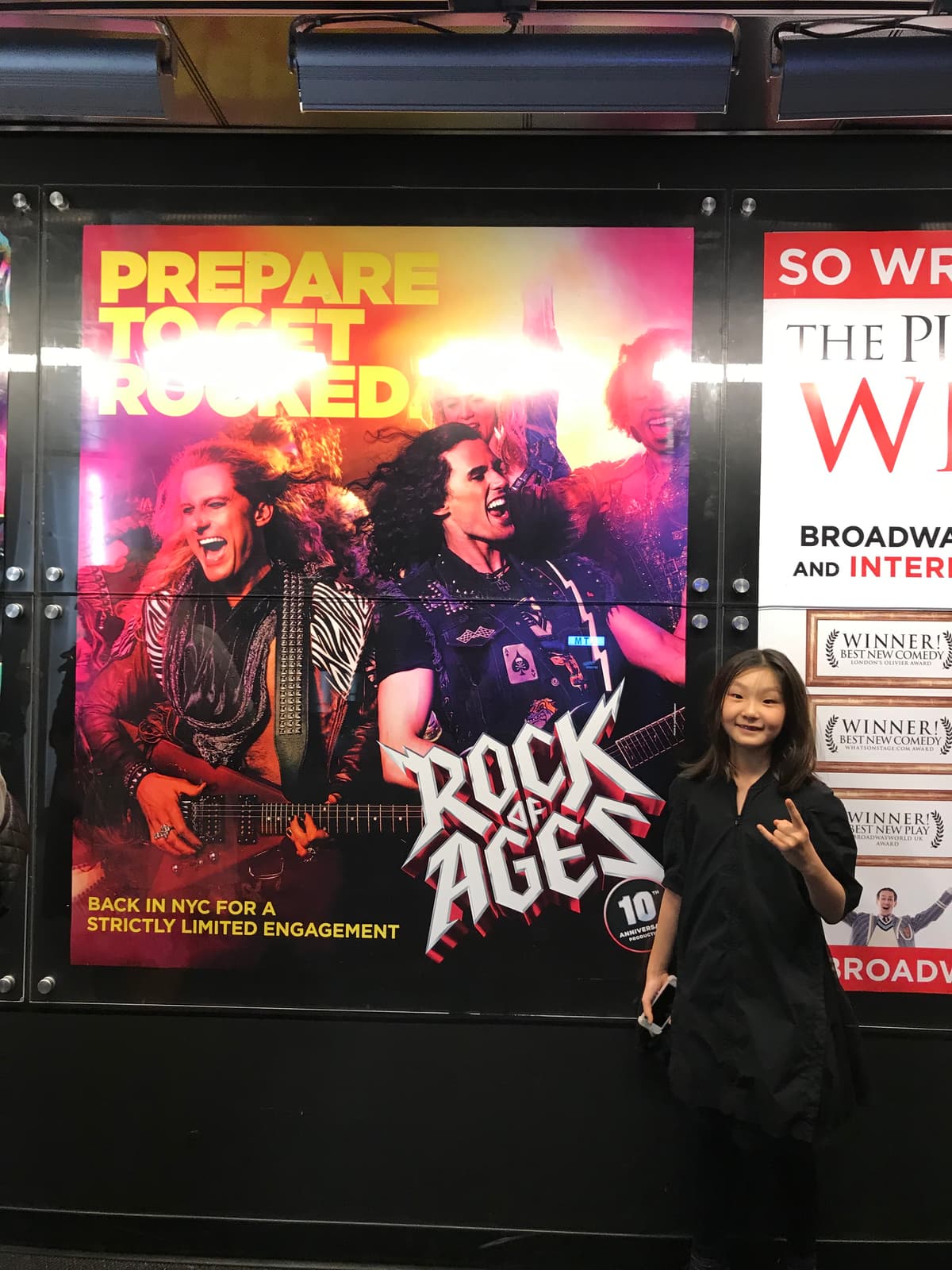
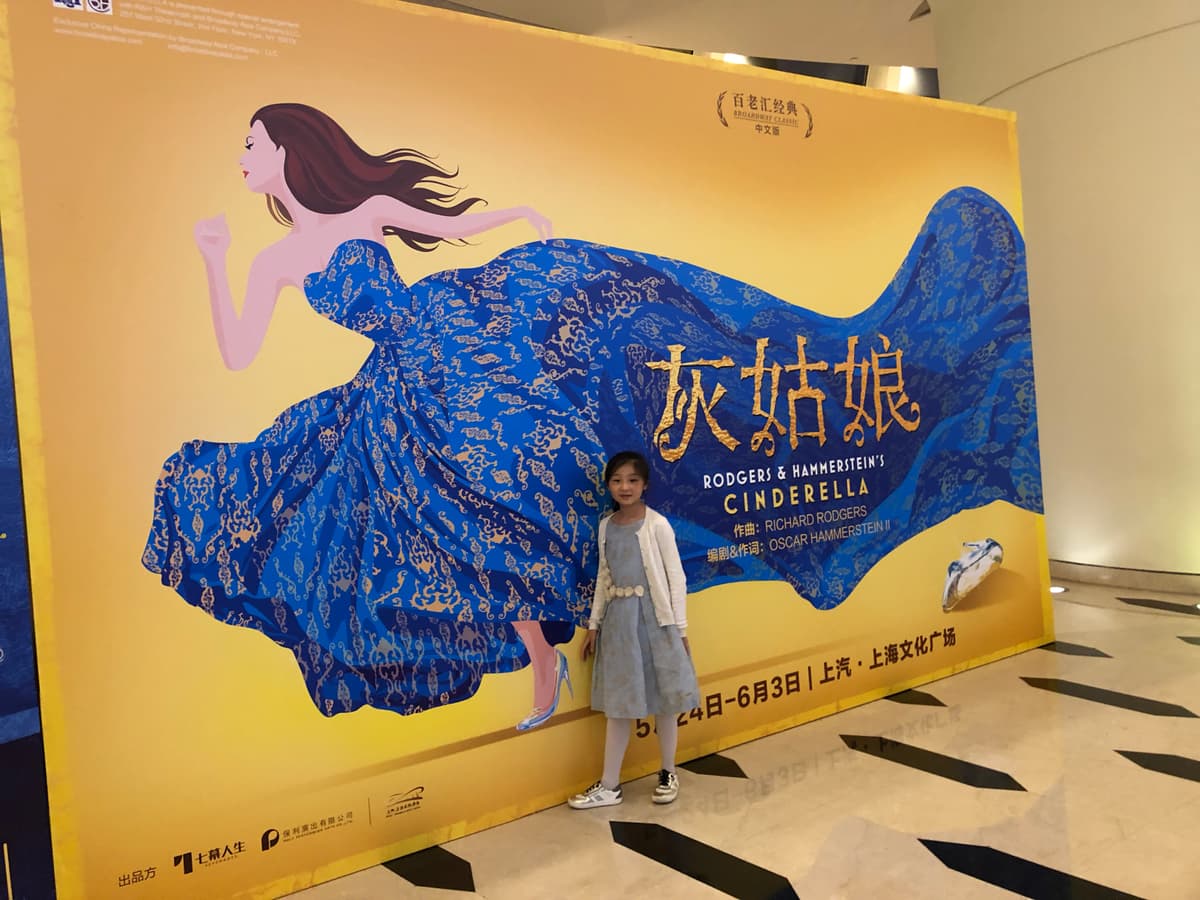
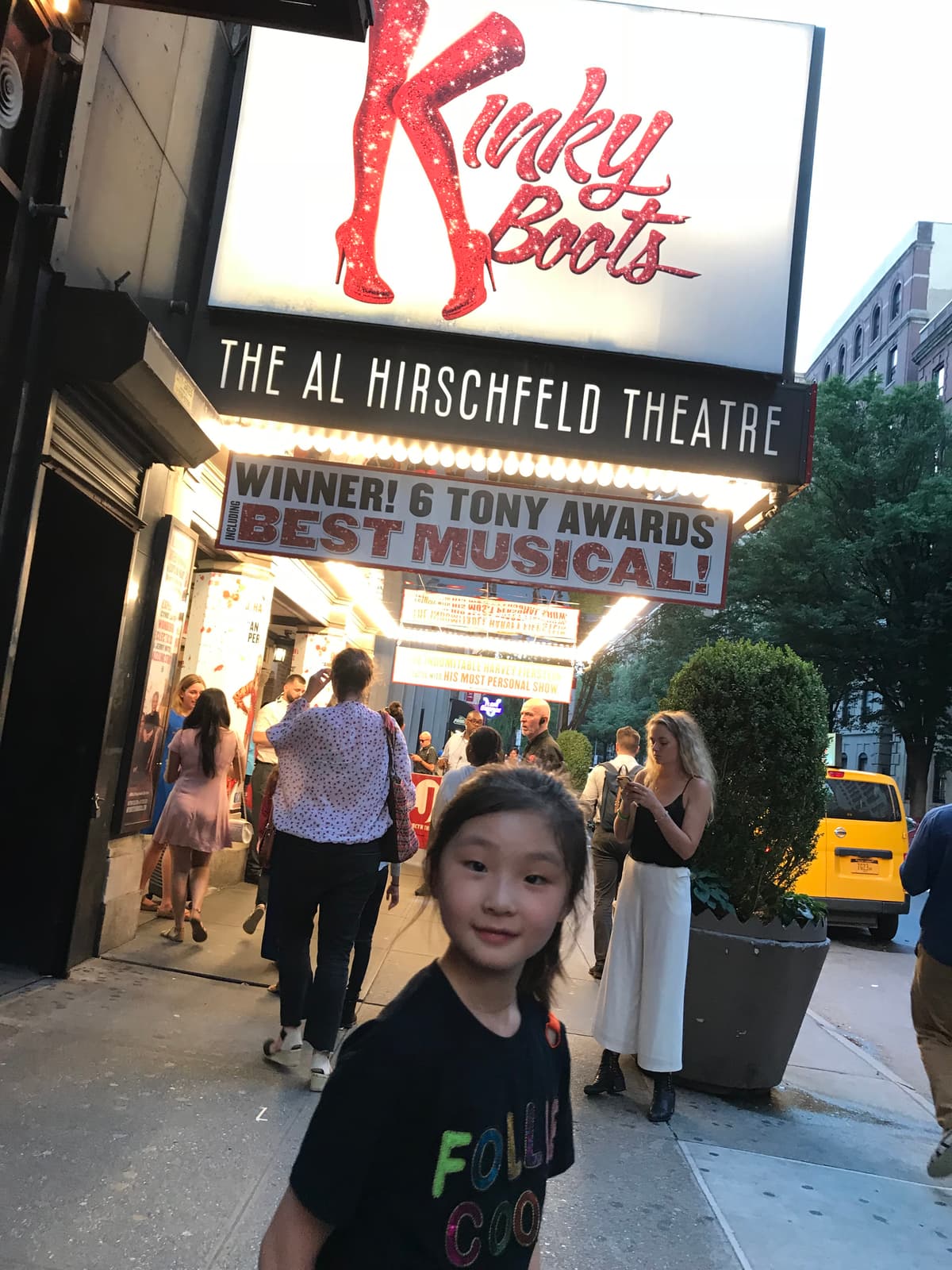
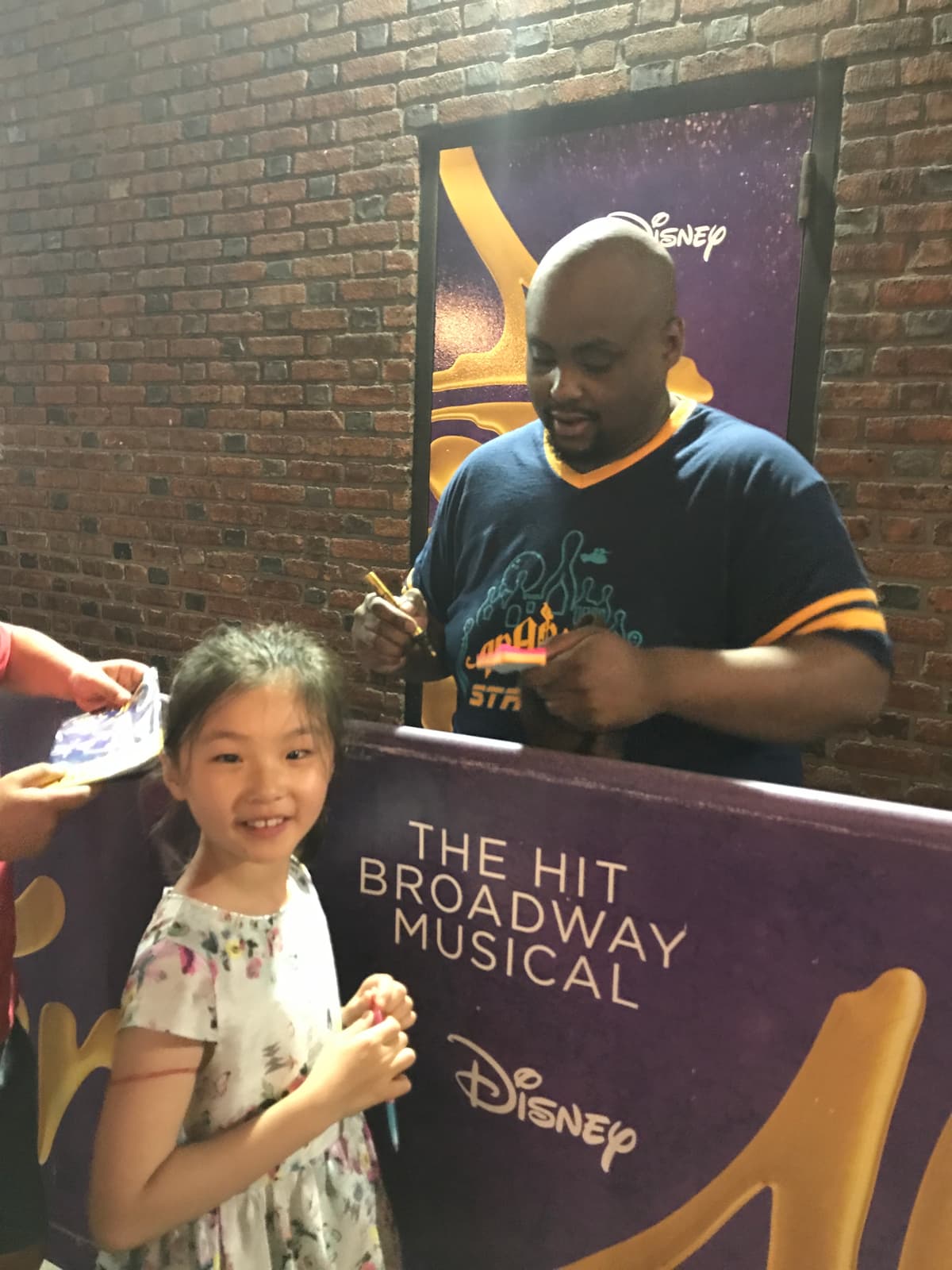
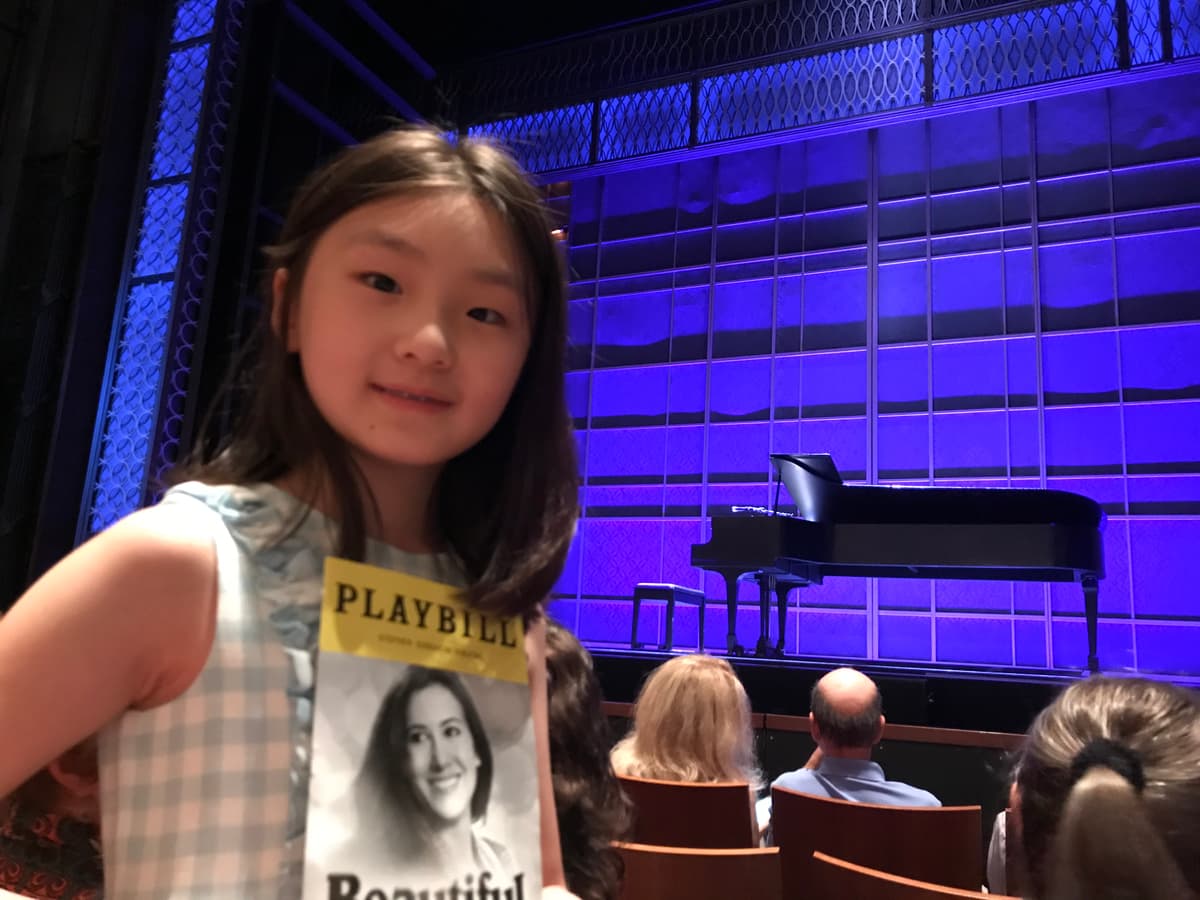
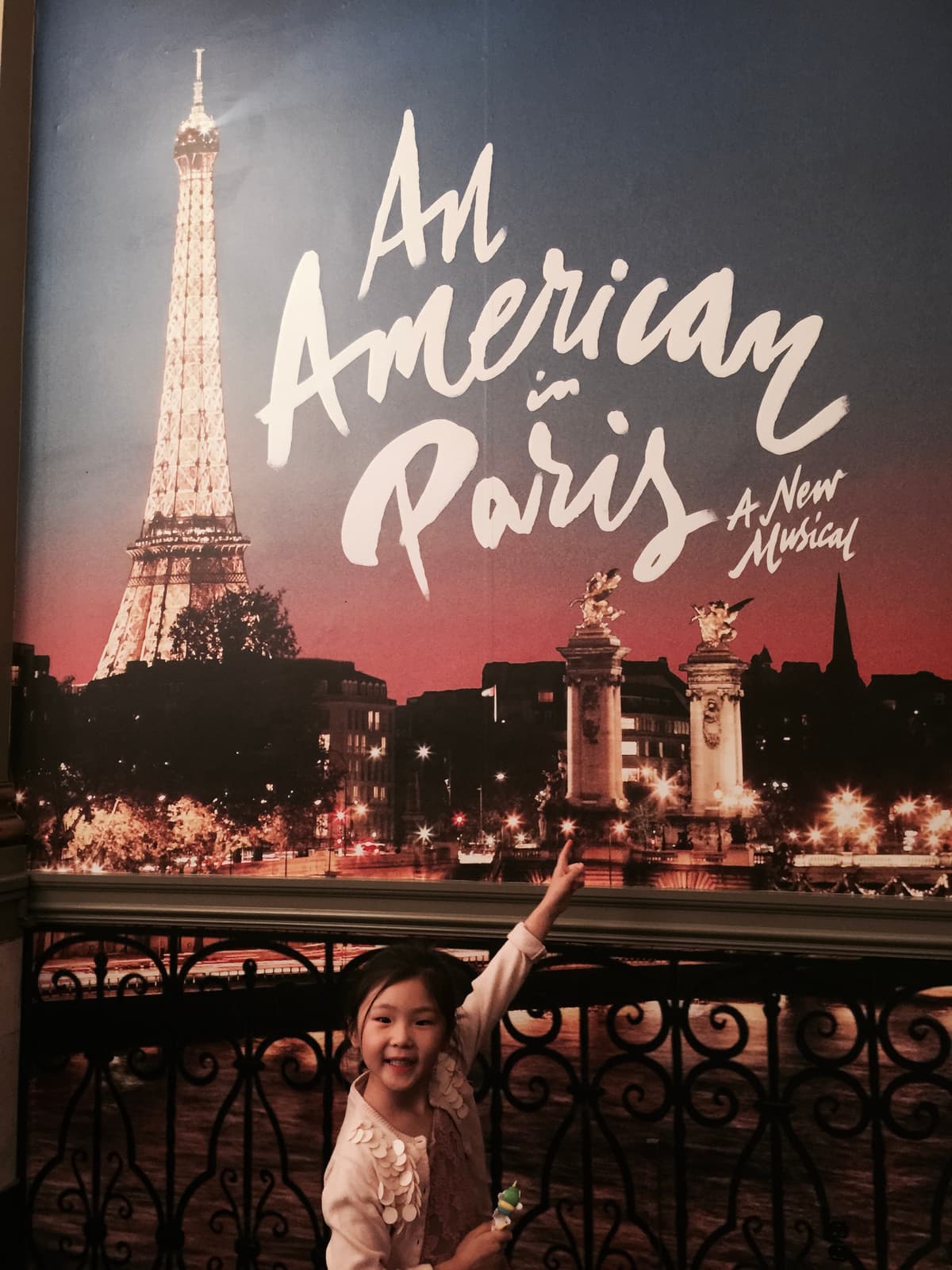
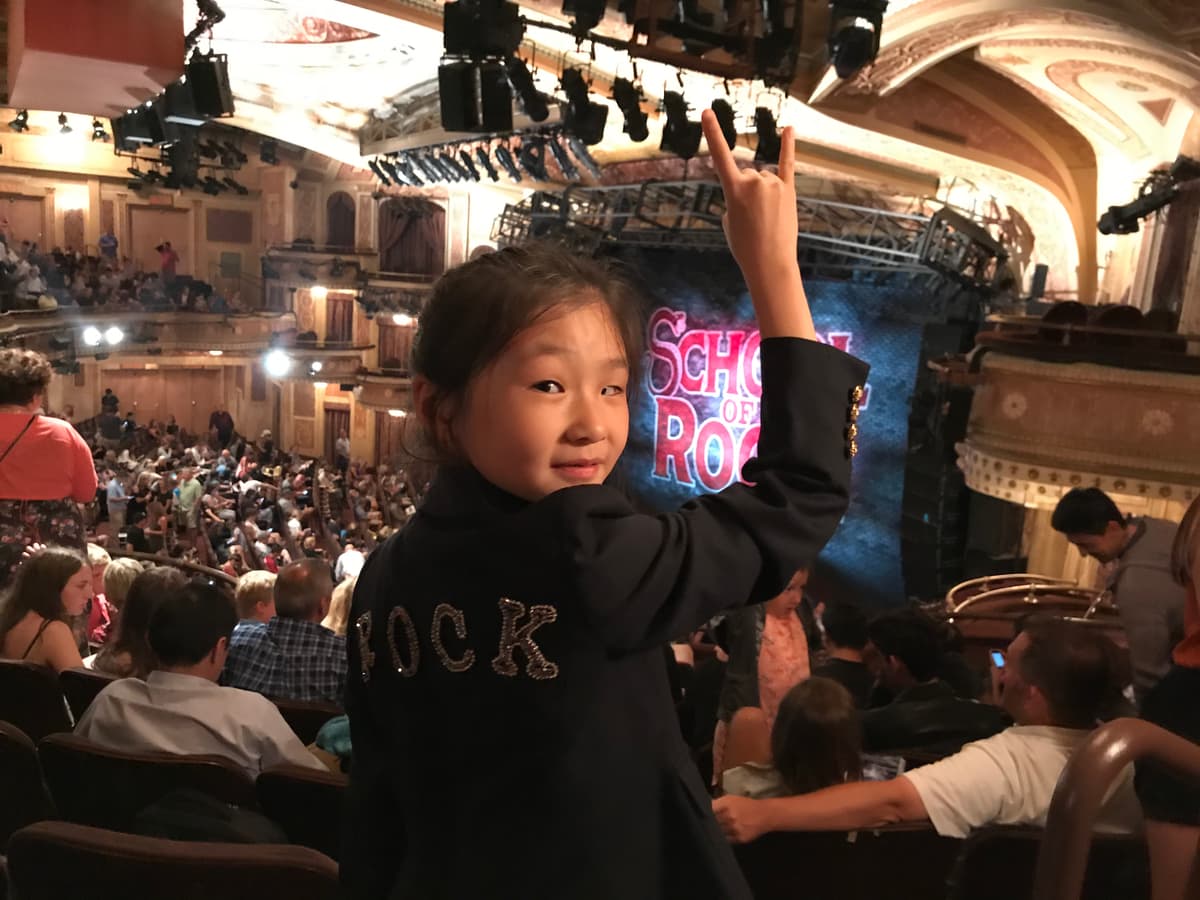
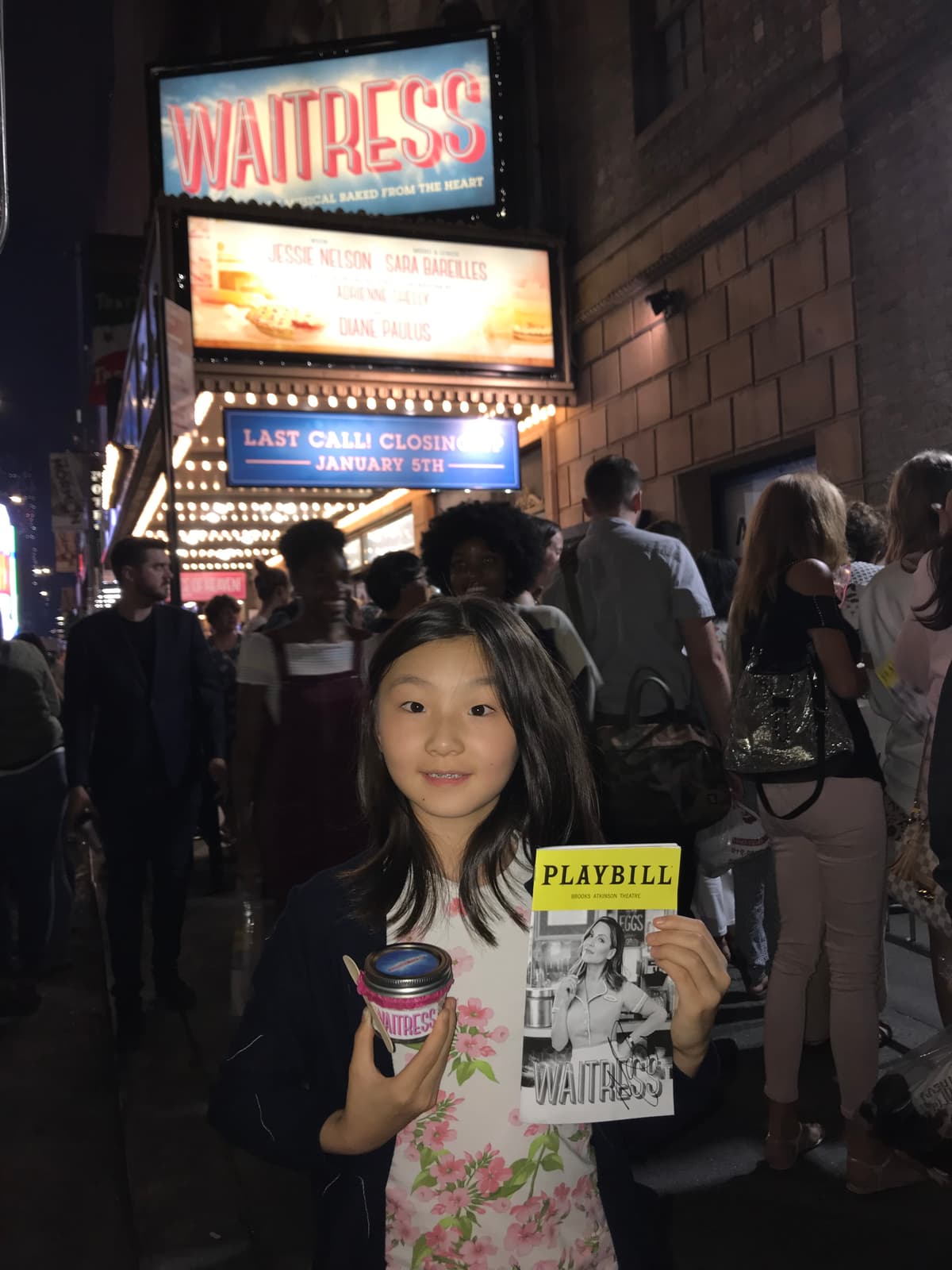
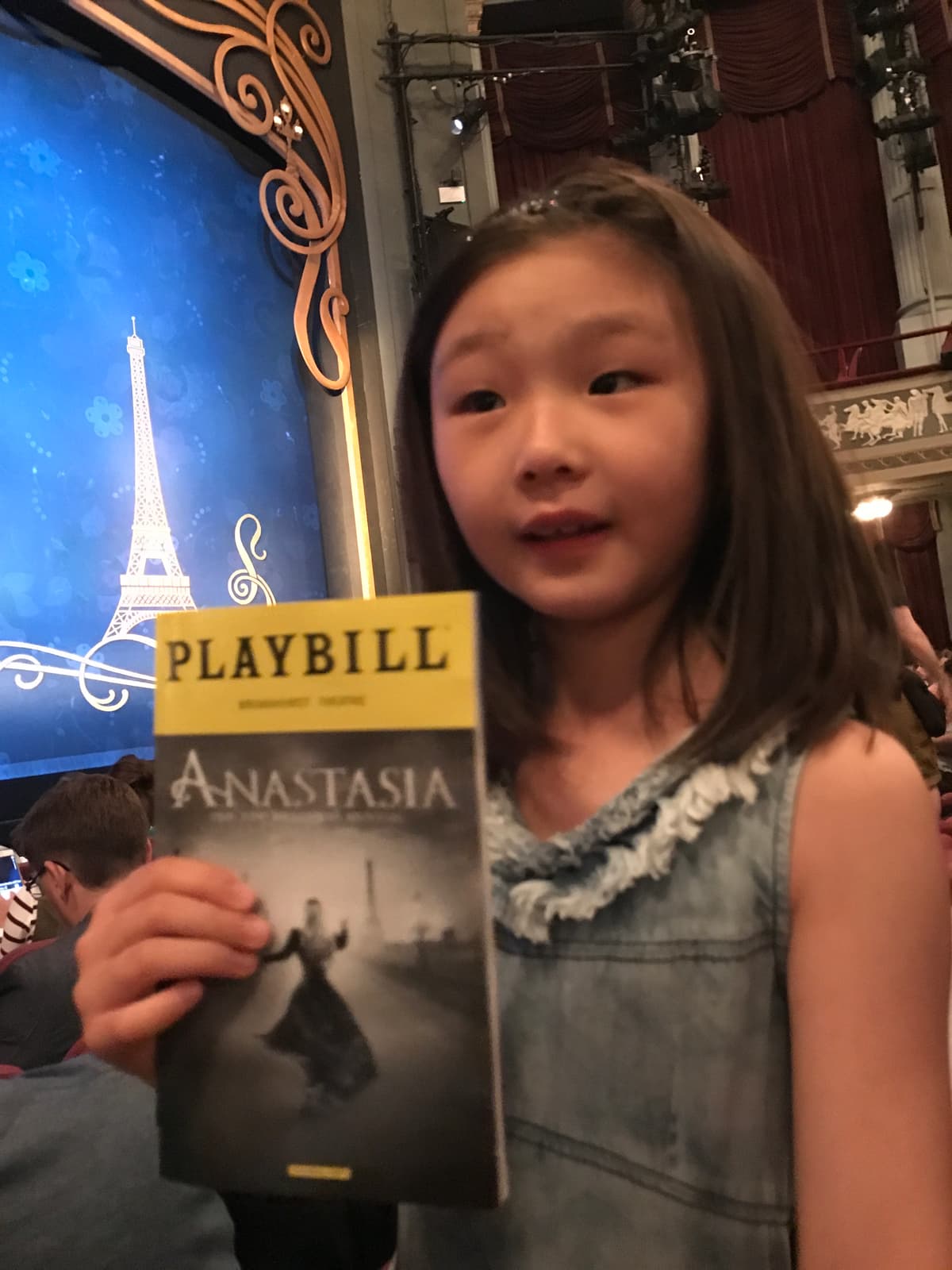
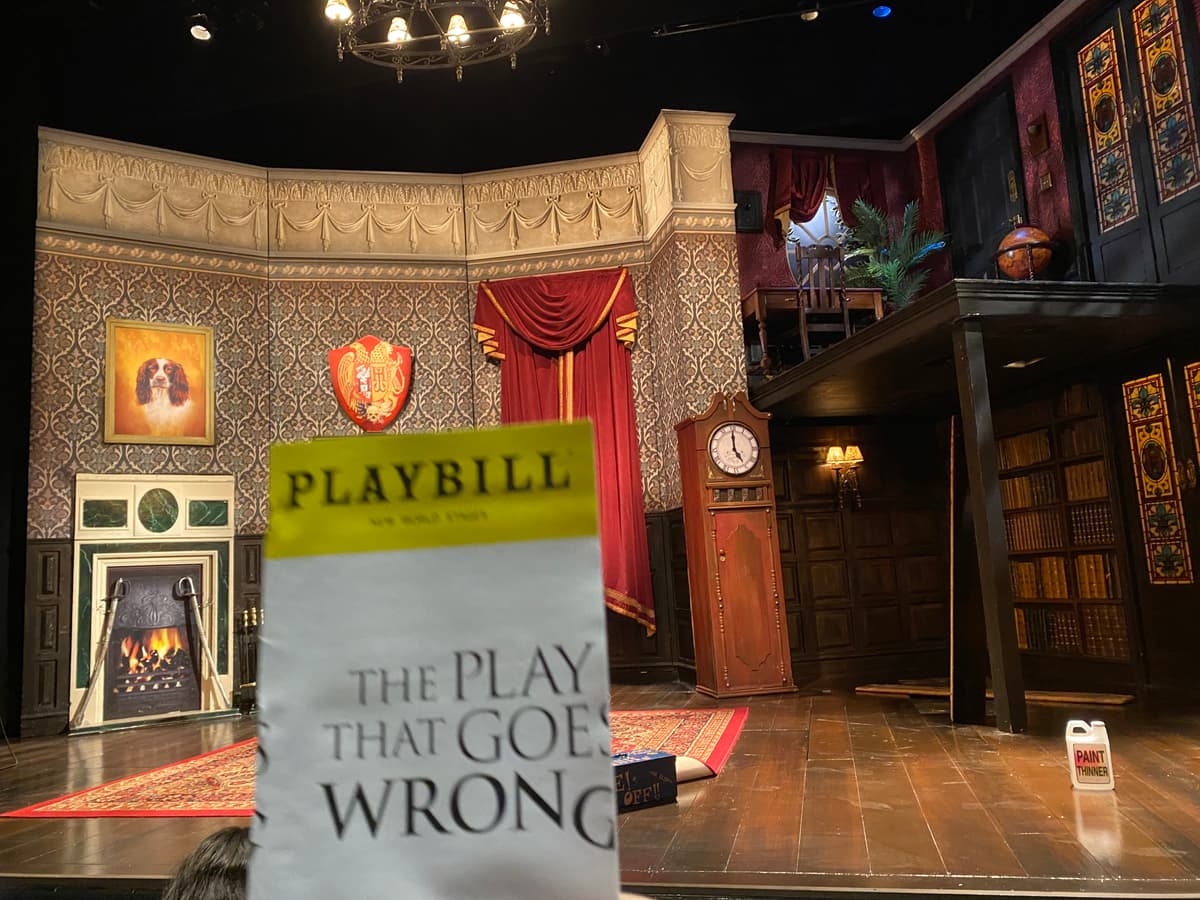
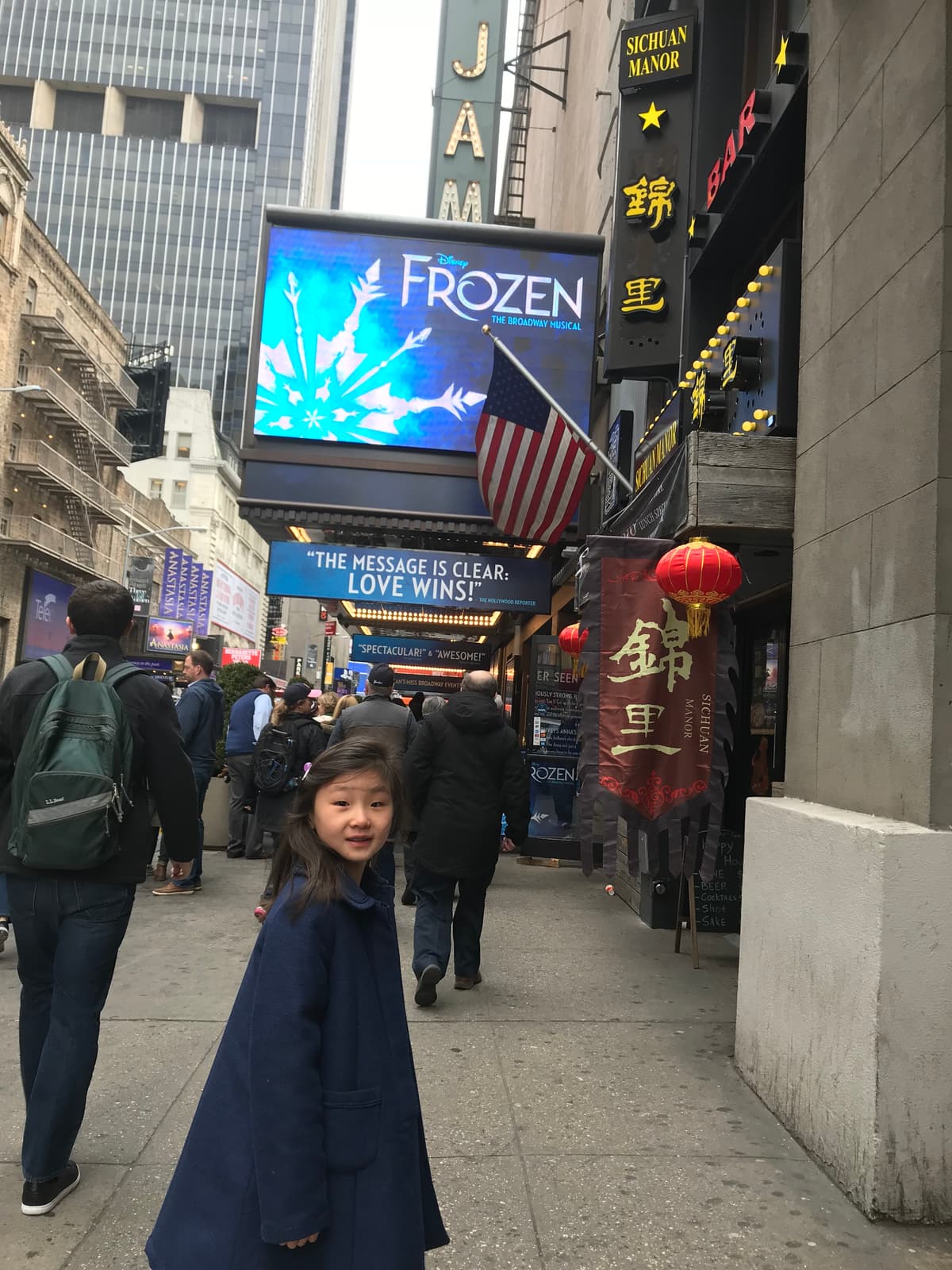
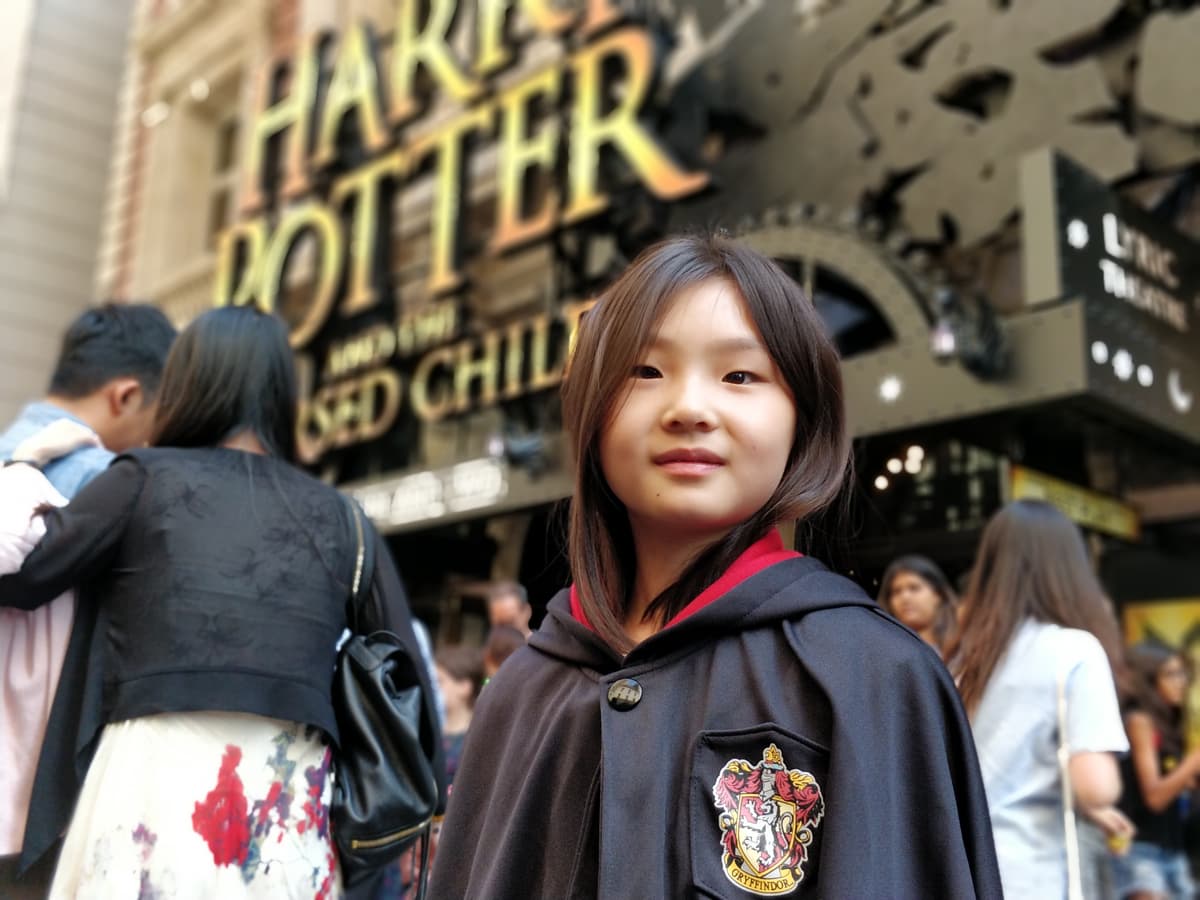
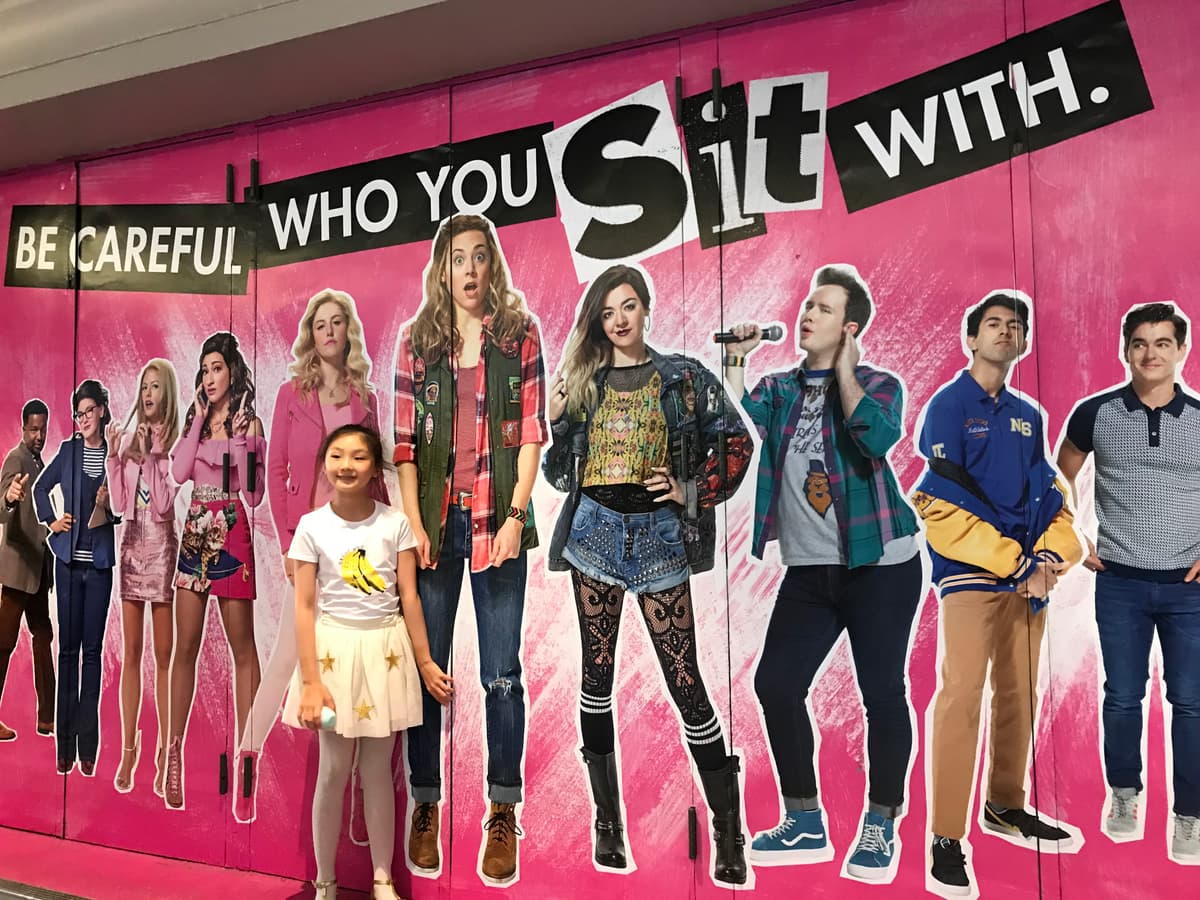
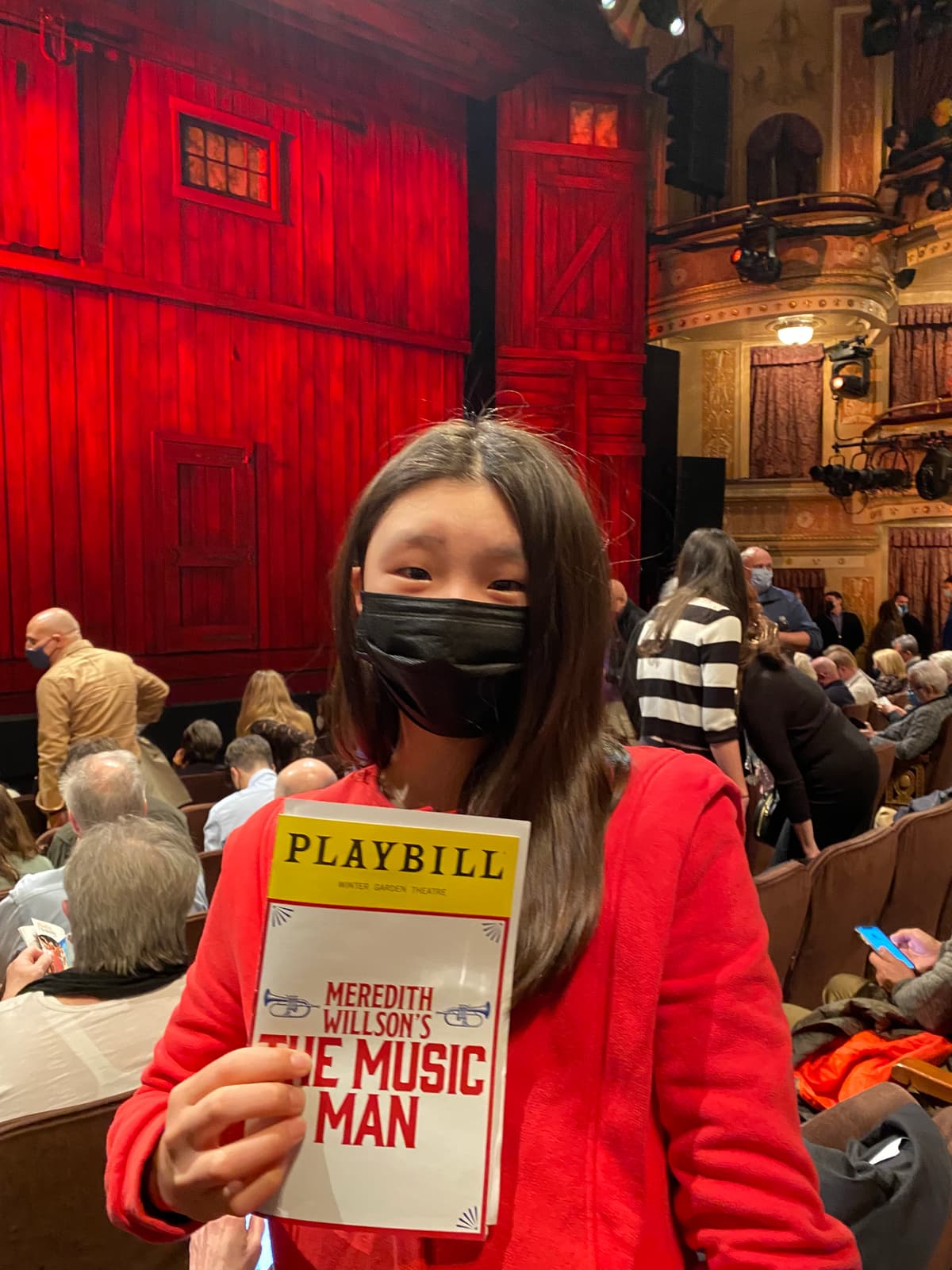
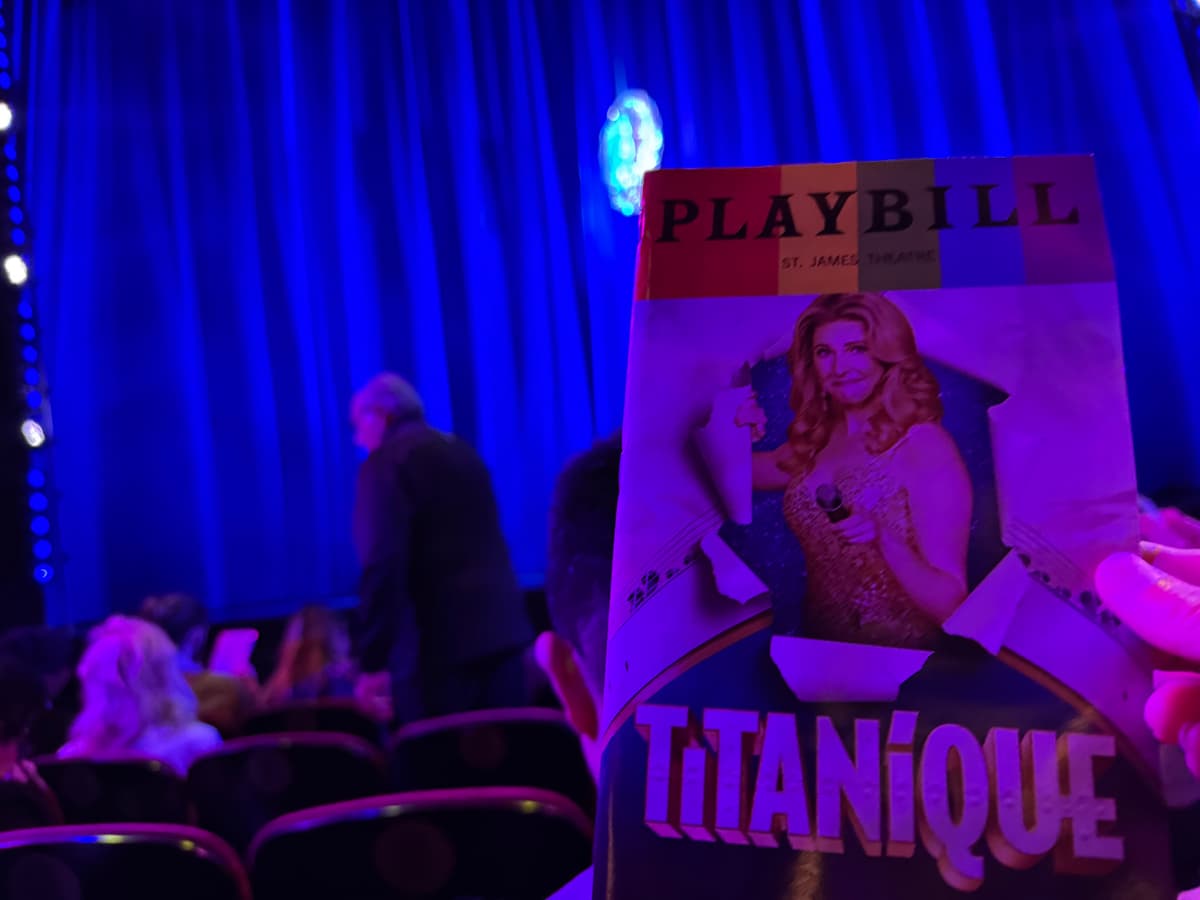
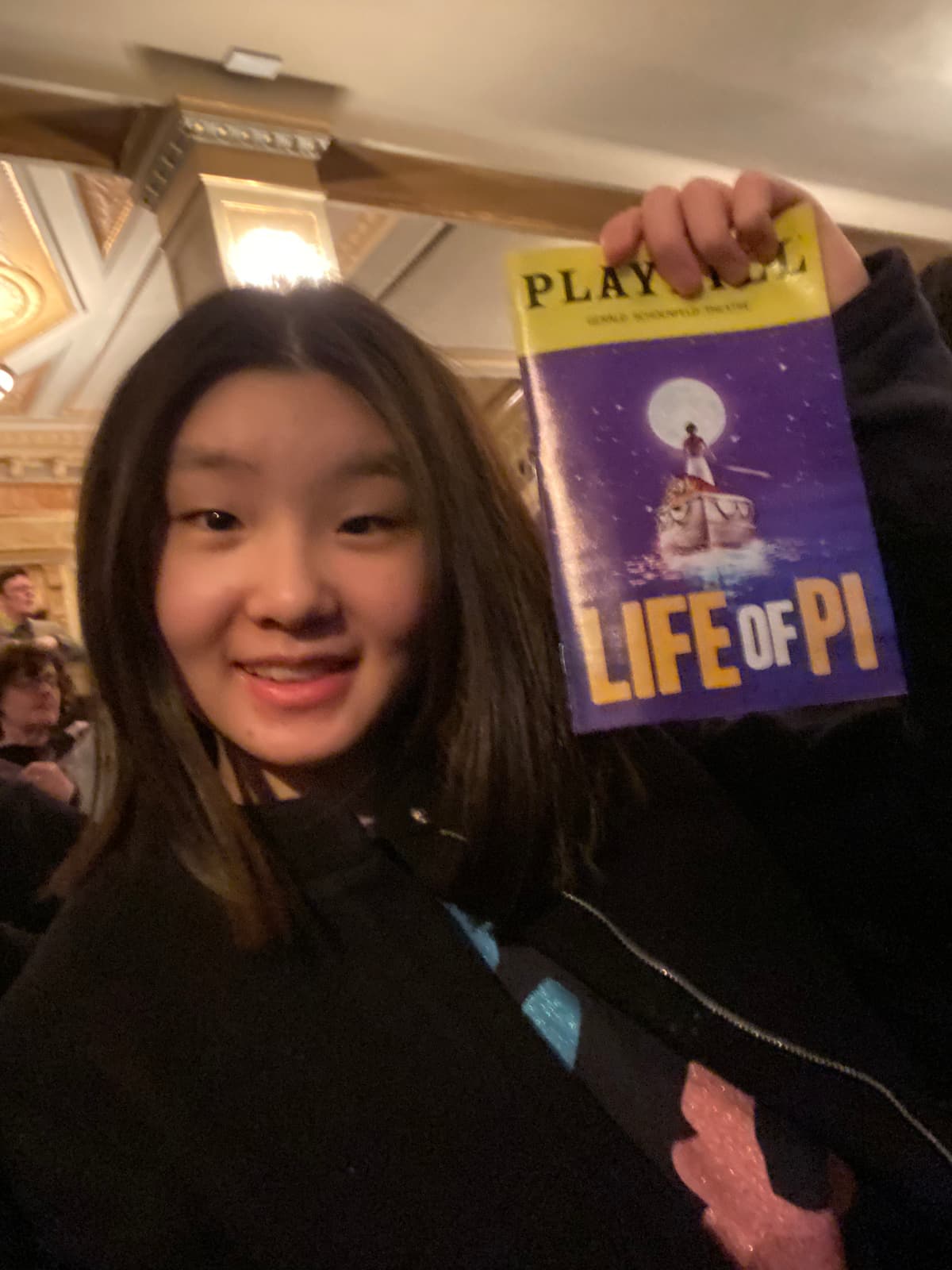
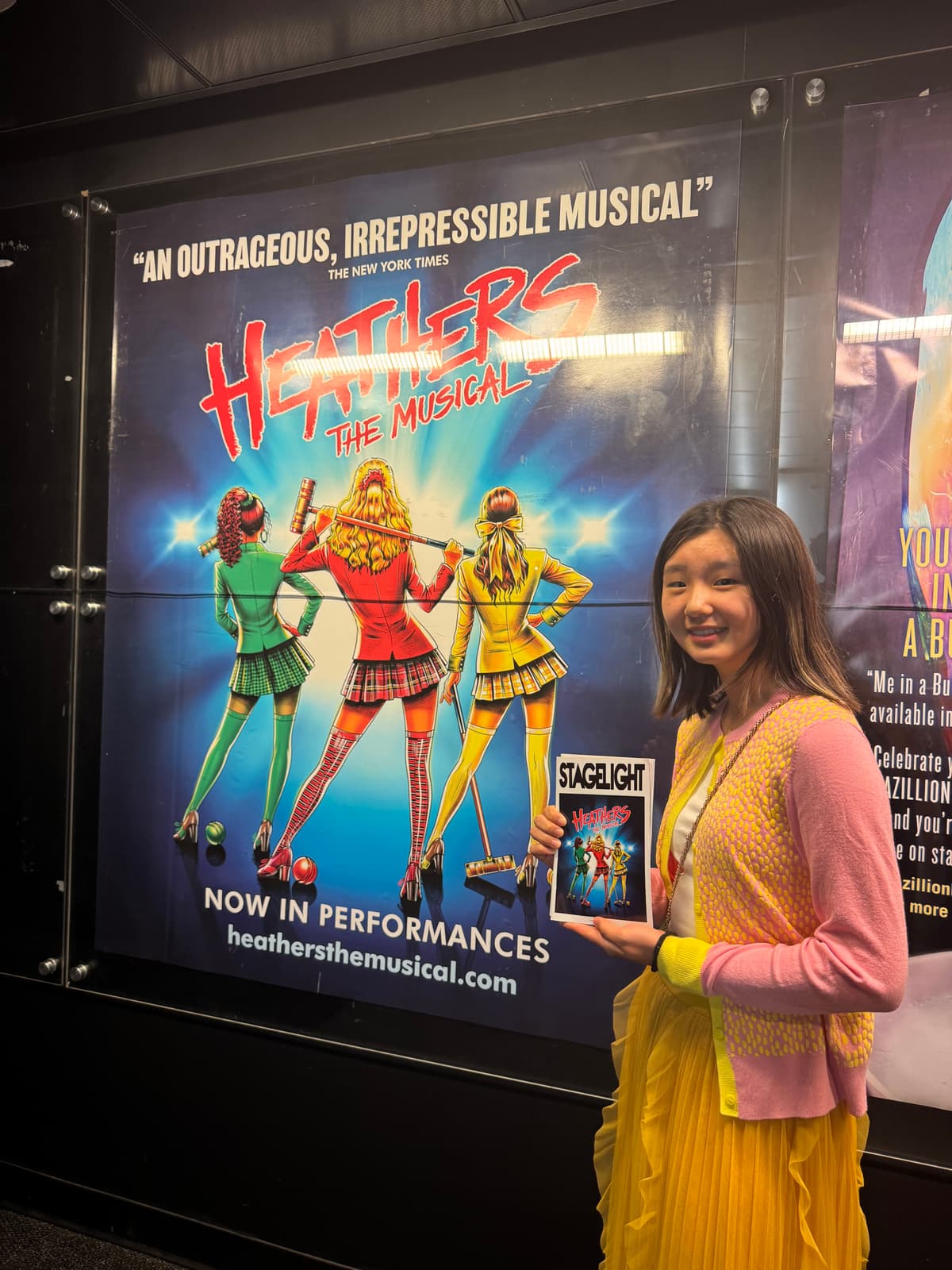
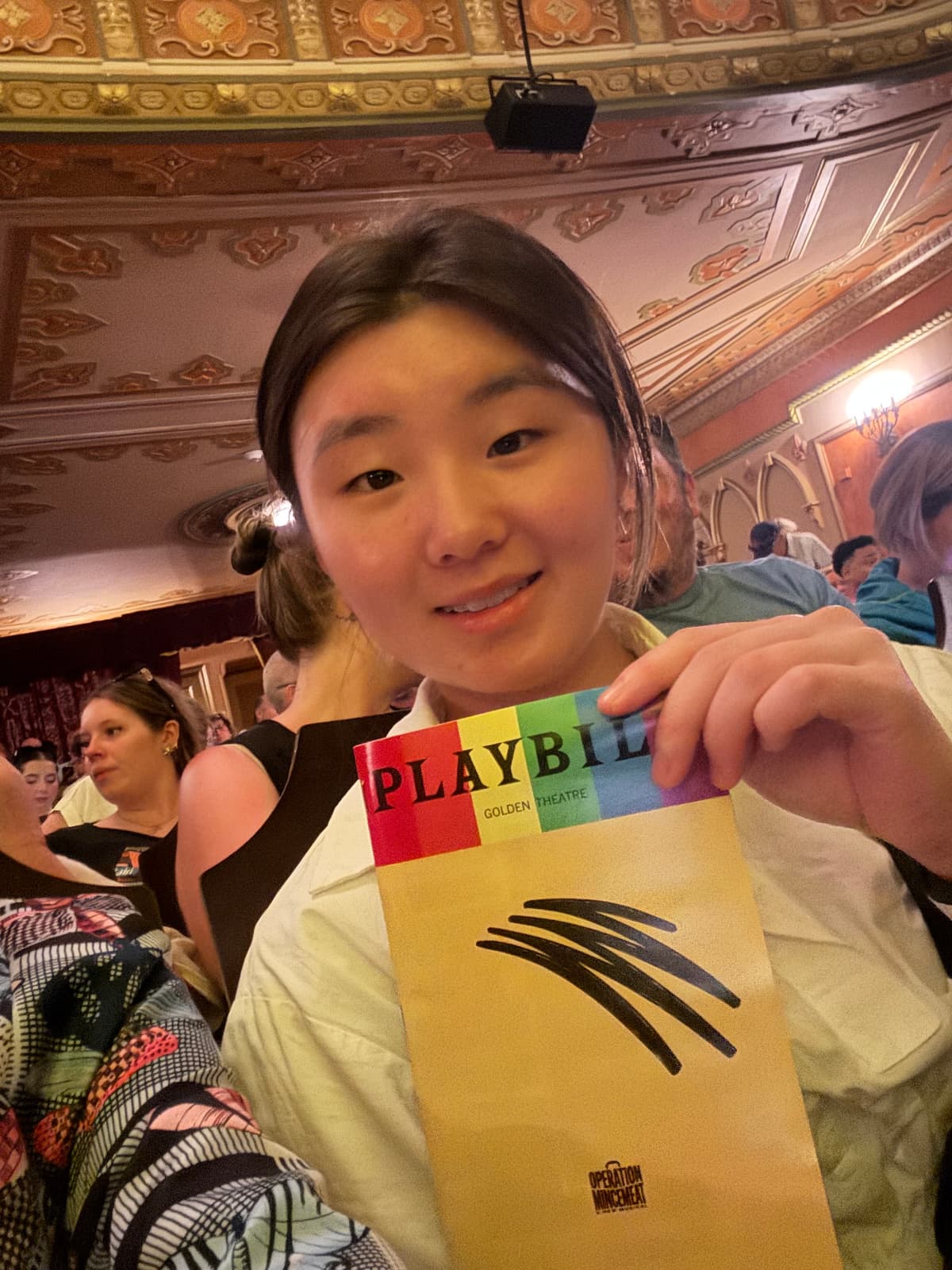
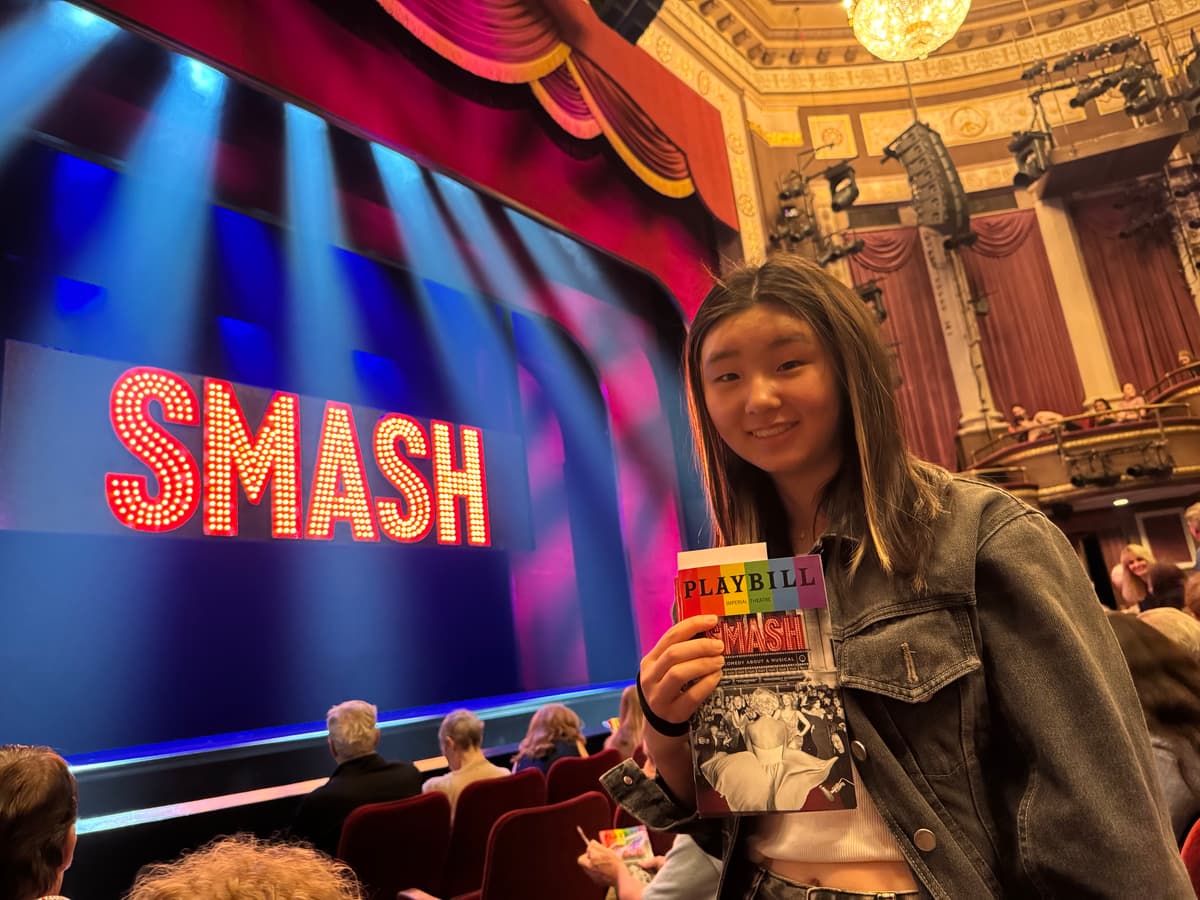
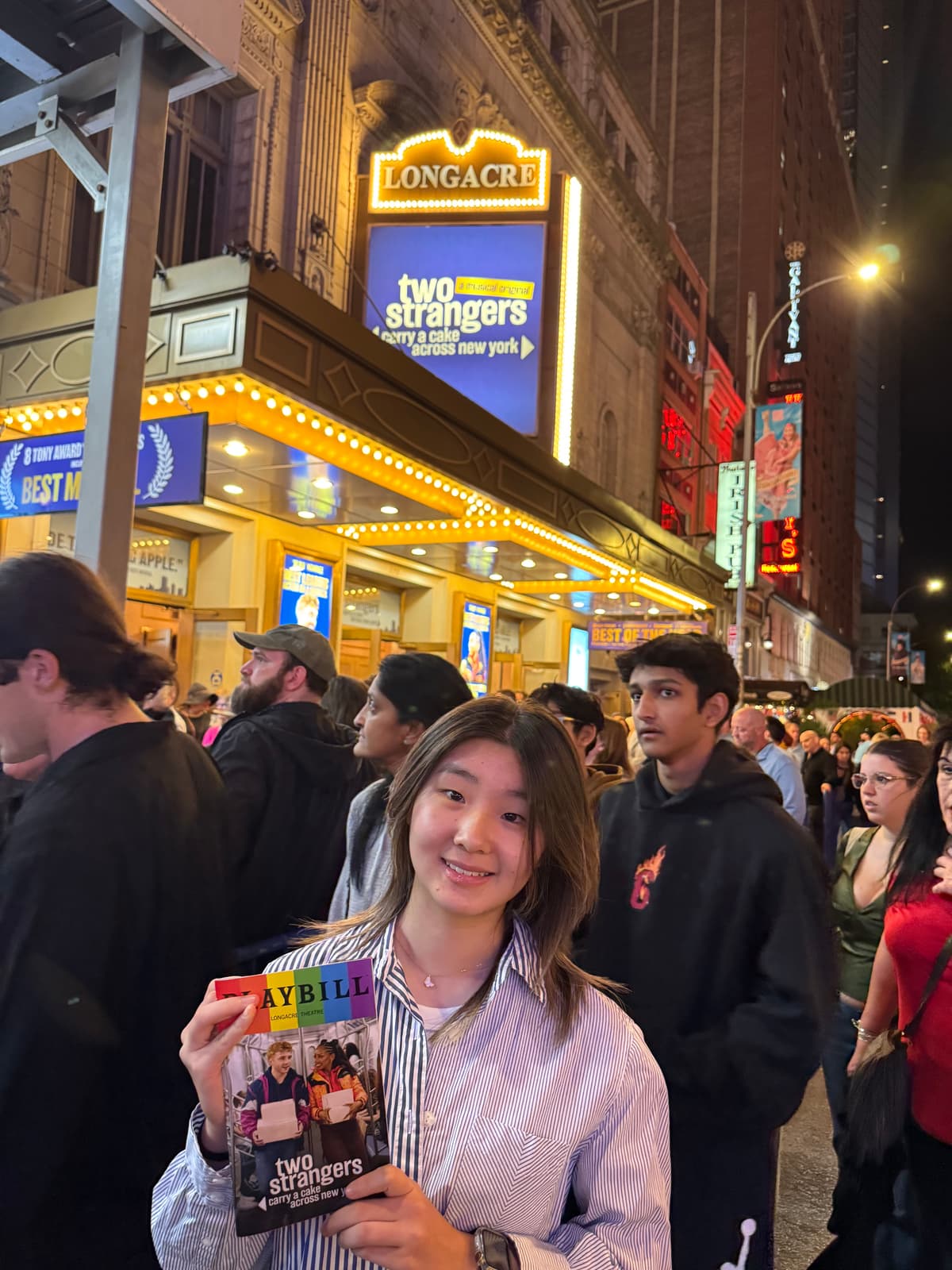
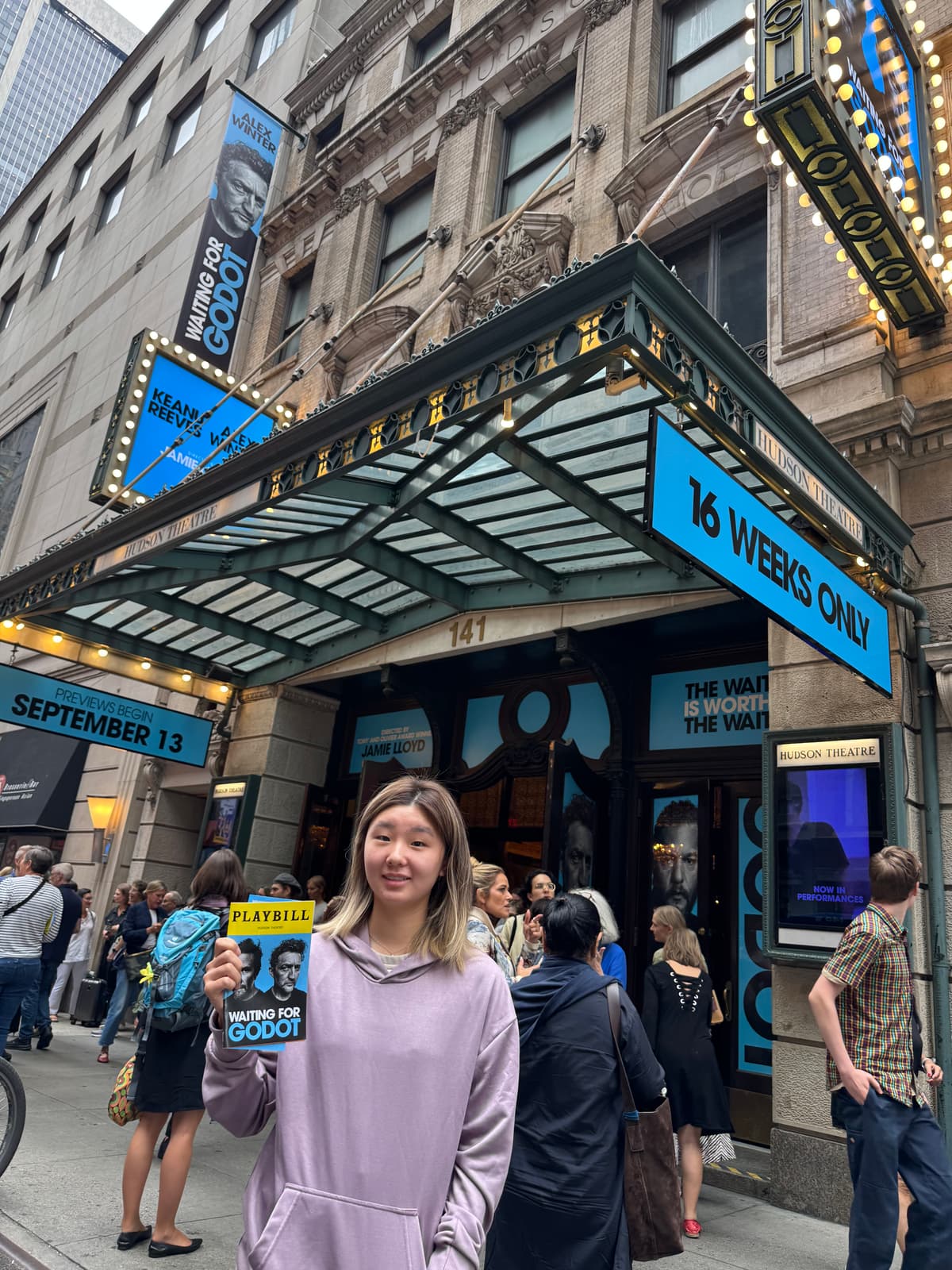
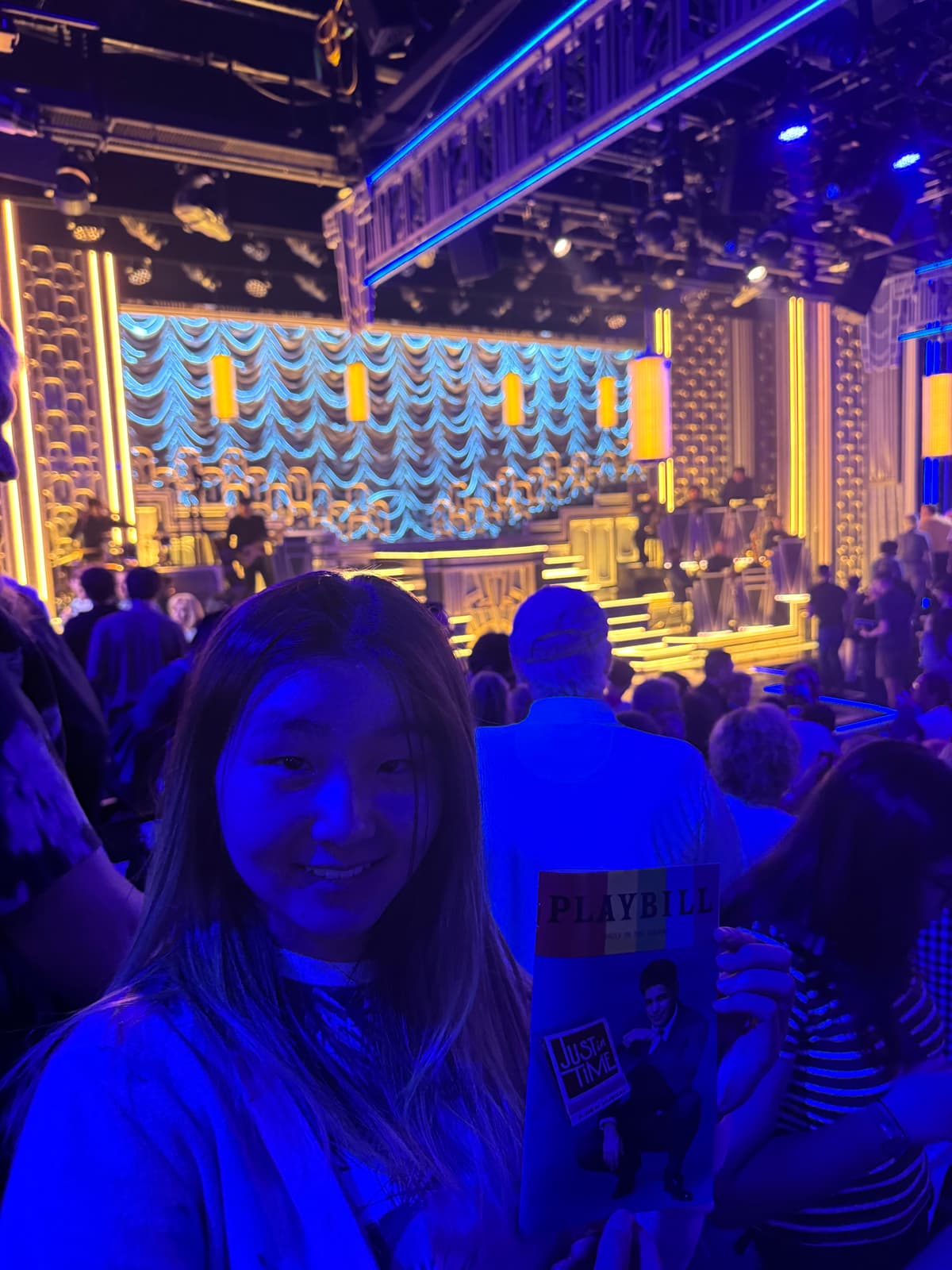
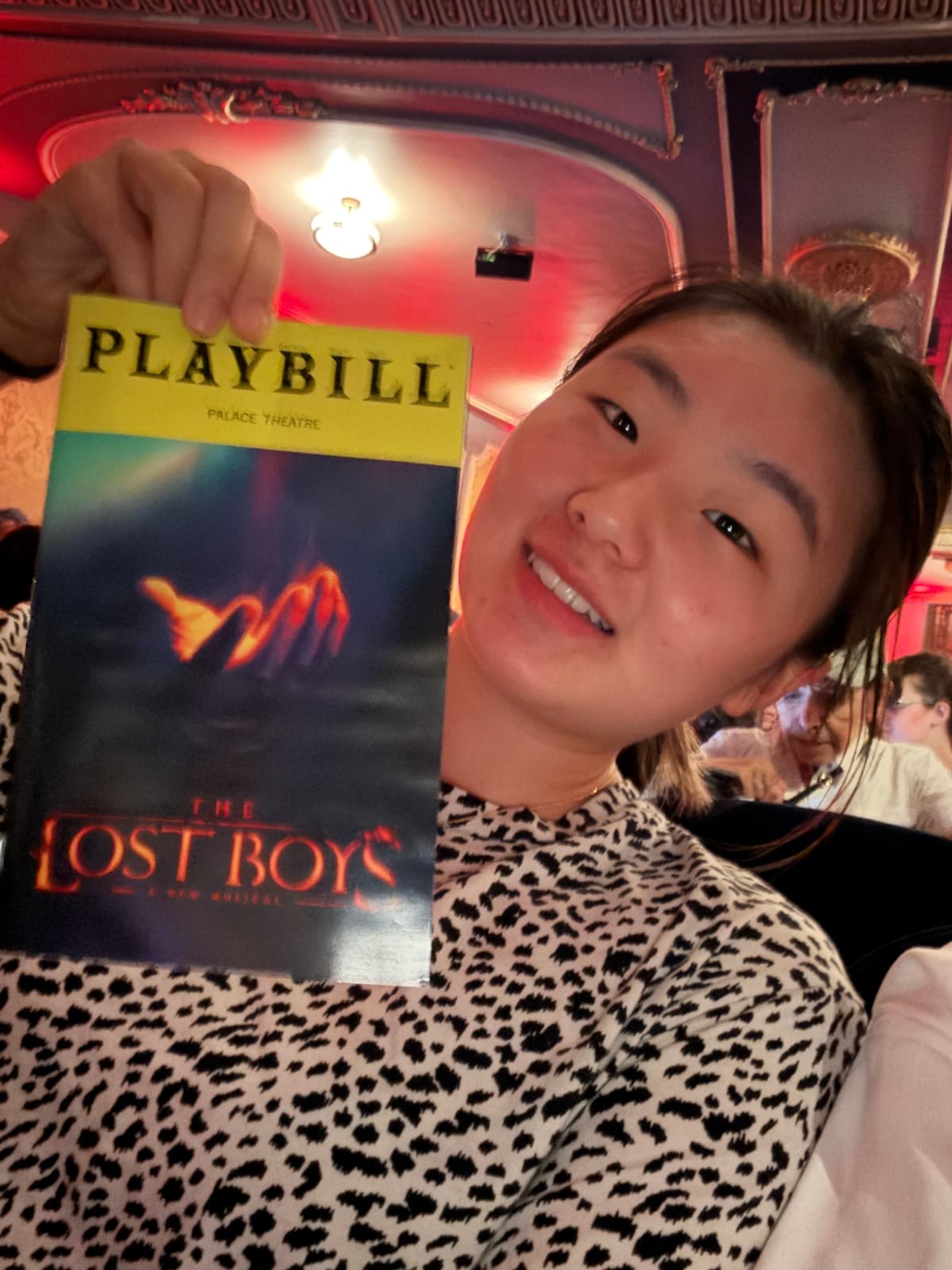
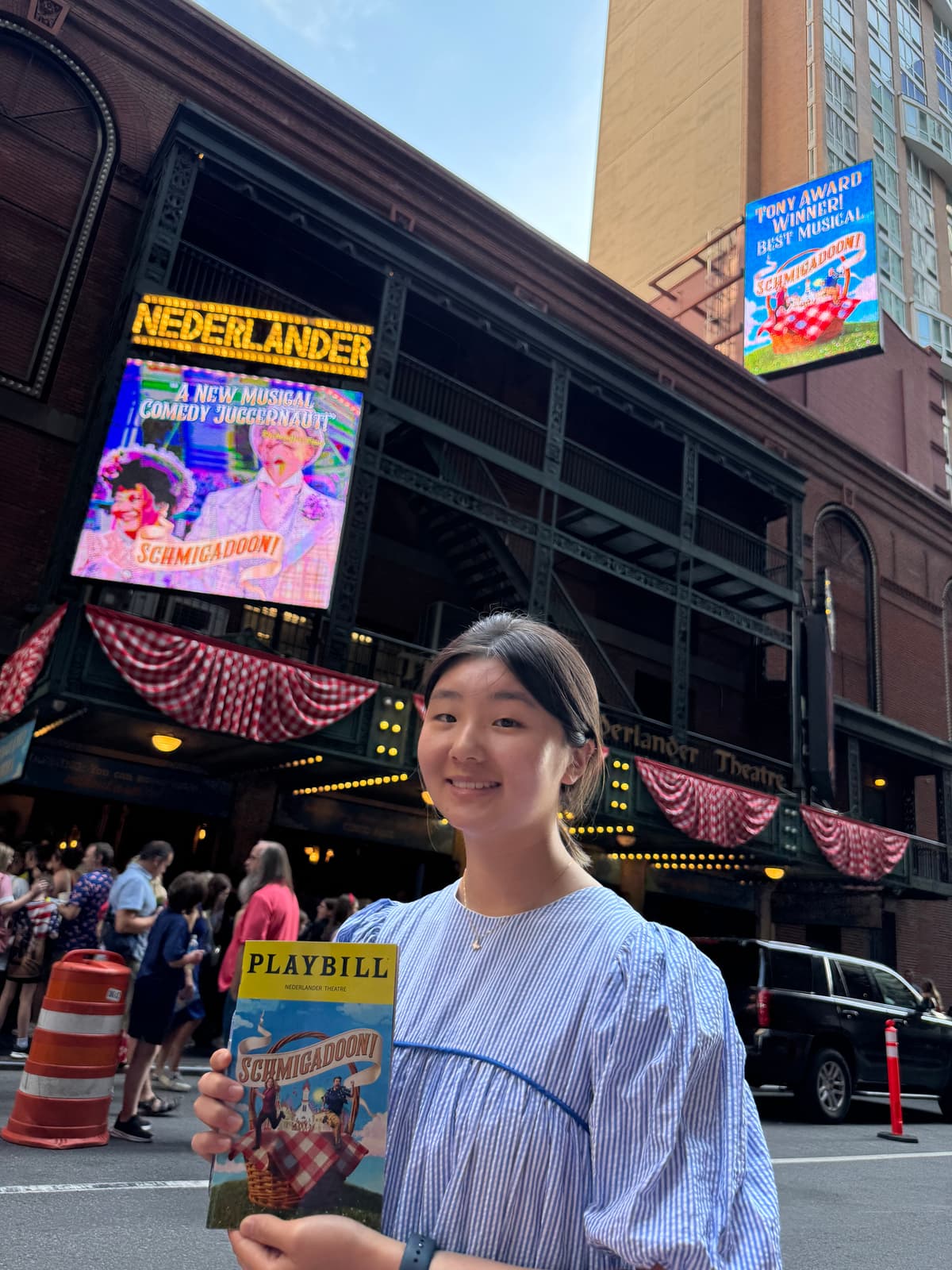
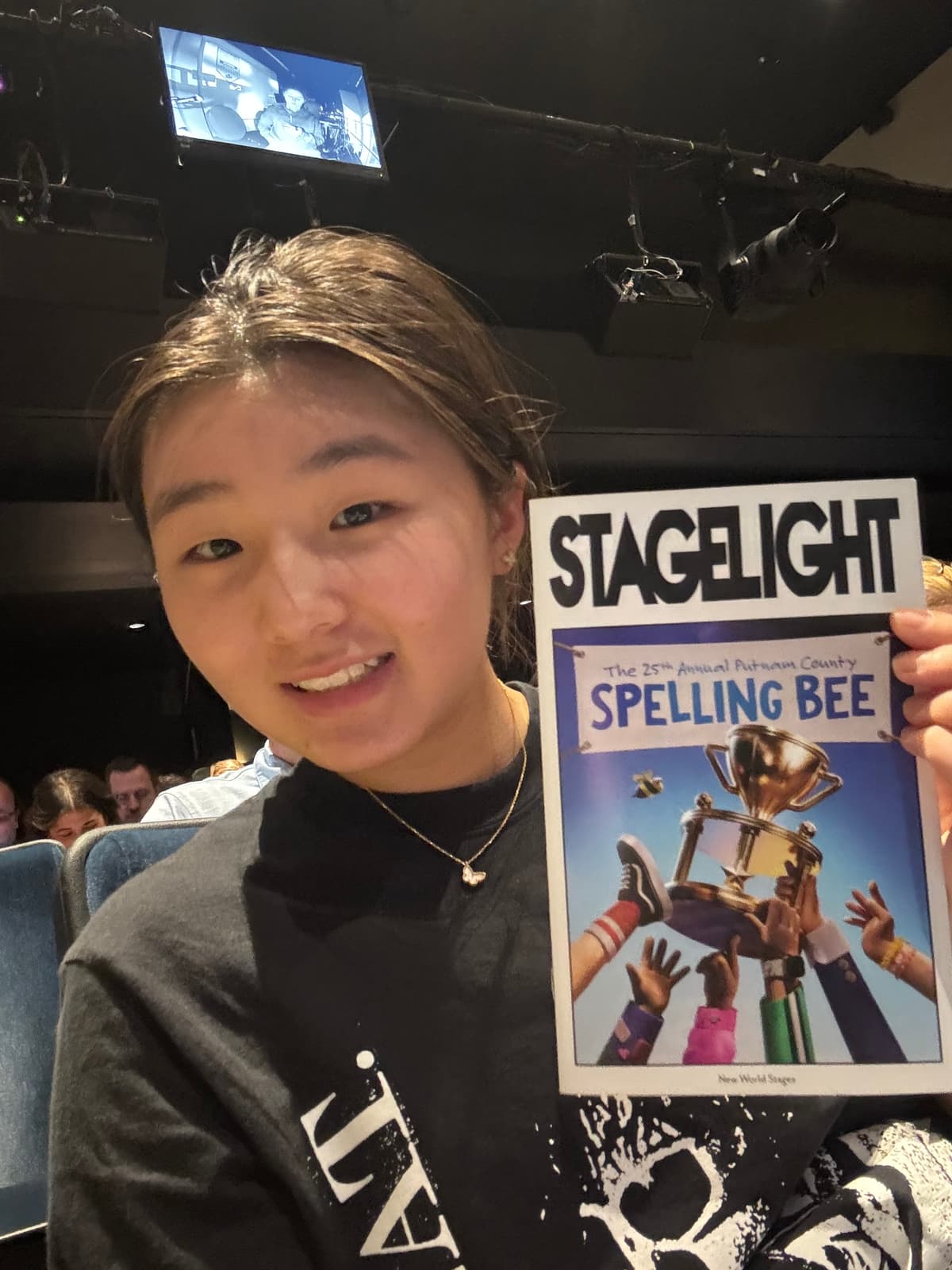
Personal photographs mark nights I attended. “Attended Original” means I experienced the production the card is about. “Attended Revival” means the card is the original work, and the photograph is from a later staging I actually saw. Exhibition posters mark productions I did not see, or revivals for which no Playbill from my archive survives—those cards are Researched Original or Researched Revival. Official Playbill covers and production stills are not downloaded. The poster is an original object of the museum, not a missing file.
That split is part of the claim. Some Broadway history I inherited through research, recordings, and revivals. Some of it I walked into as an audience member. The two histories run at the same time. “I was there” remains the name of the personal archive; the four labels above are how each exhibition card is classified.
Why a museum, not a book?
A book would flatten the material into one path. A database would flatten it into rows. Exhibition architecture lets a visitor move three ways through the same evidence: chronologically through the galleries, thematically through Gallery X, and at scale through the catalog. That is closer to how the history actually works. Musicals do not arrive in a single order of meaning.
The museum metaphor is also a research method. Wall labels, galleries, and cards force a choice: what belongs beside what, and why. Curation is the interpretation.
How the research was done
Cards draw on production histories, published criticism, standard surveys of the American musical, the Internet Broadway Database, and the 2026 significance spreadsheet that underpins the catalog. Where I have a personal Playbill or photograph, that object is primary evidence of attendance—not of the original production’s design.
Dates, credits, original-versus-revival distinctions, and claims of “firsts” are the places a theatre historian should be hardest on this site. The catalog is a working ledger. It will keep being corrected.
Research and production
I conceived the information architecture, researched and curated the material, structured the catalog, and wrote the exhibition’s interpretive frame. The site was built with contemporary programming tools, including AI-assisted development in Cursor. The argument, the selection, and the personal archive are mine. The software is a means of making the museum public.
The collection
Playbills on the floor
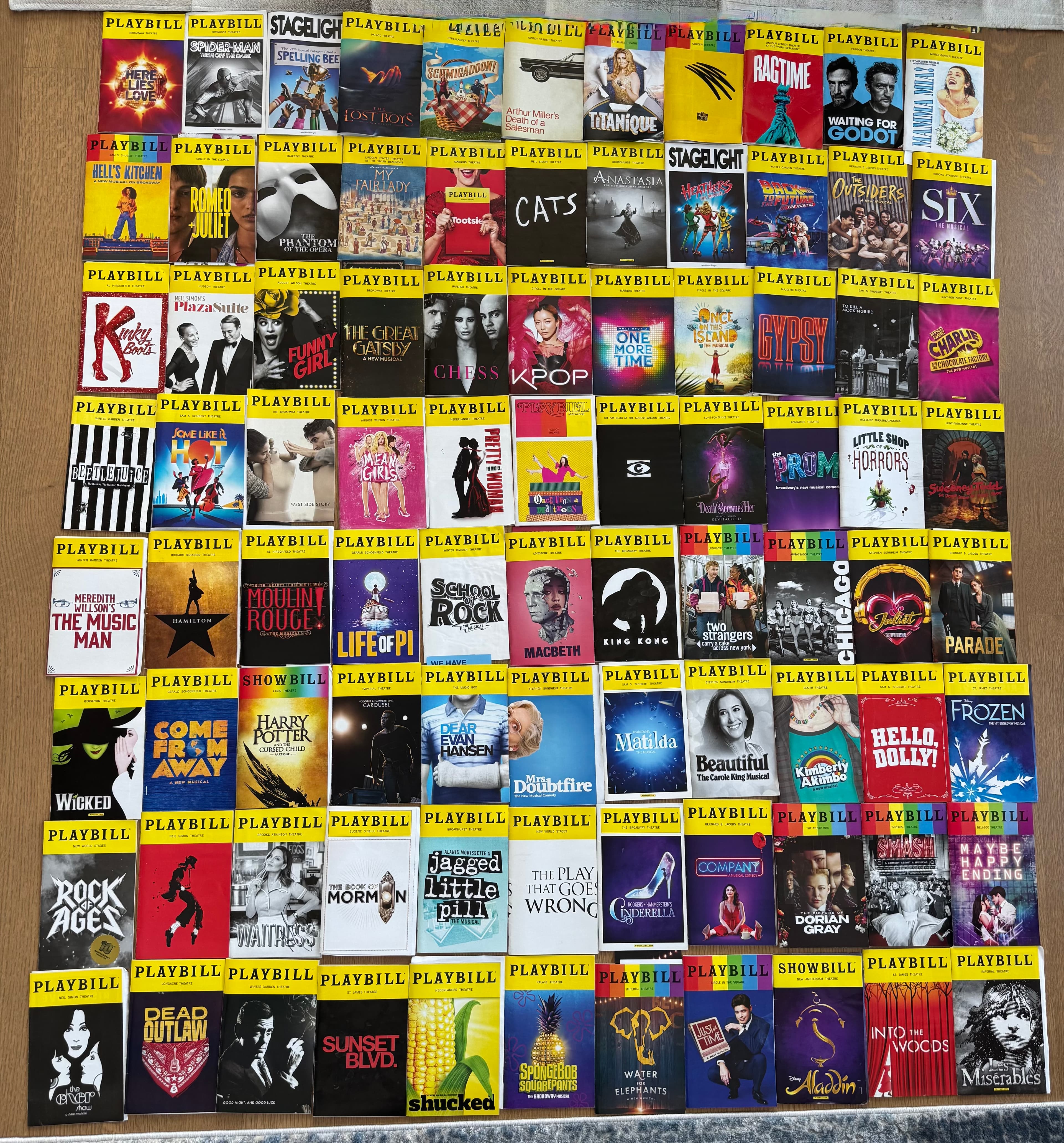
35 nights documented
I was there
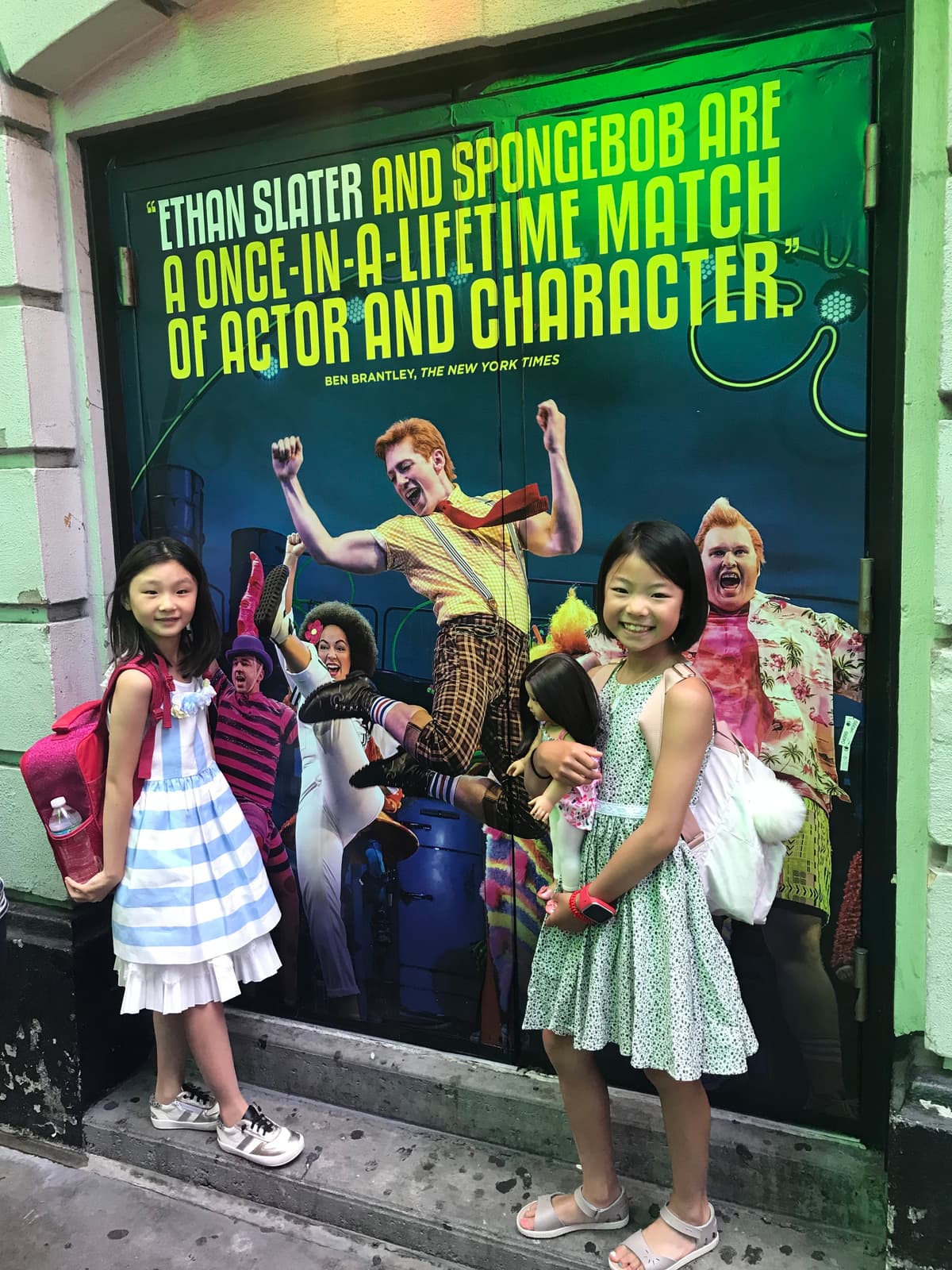
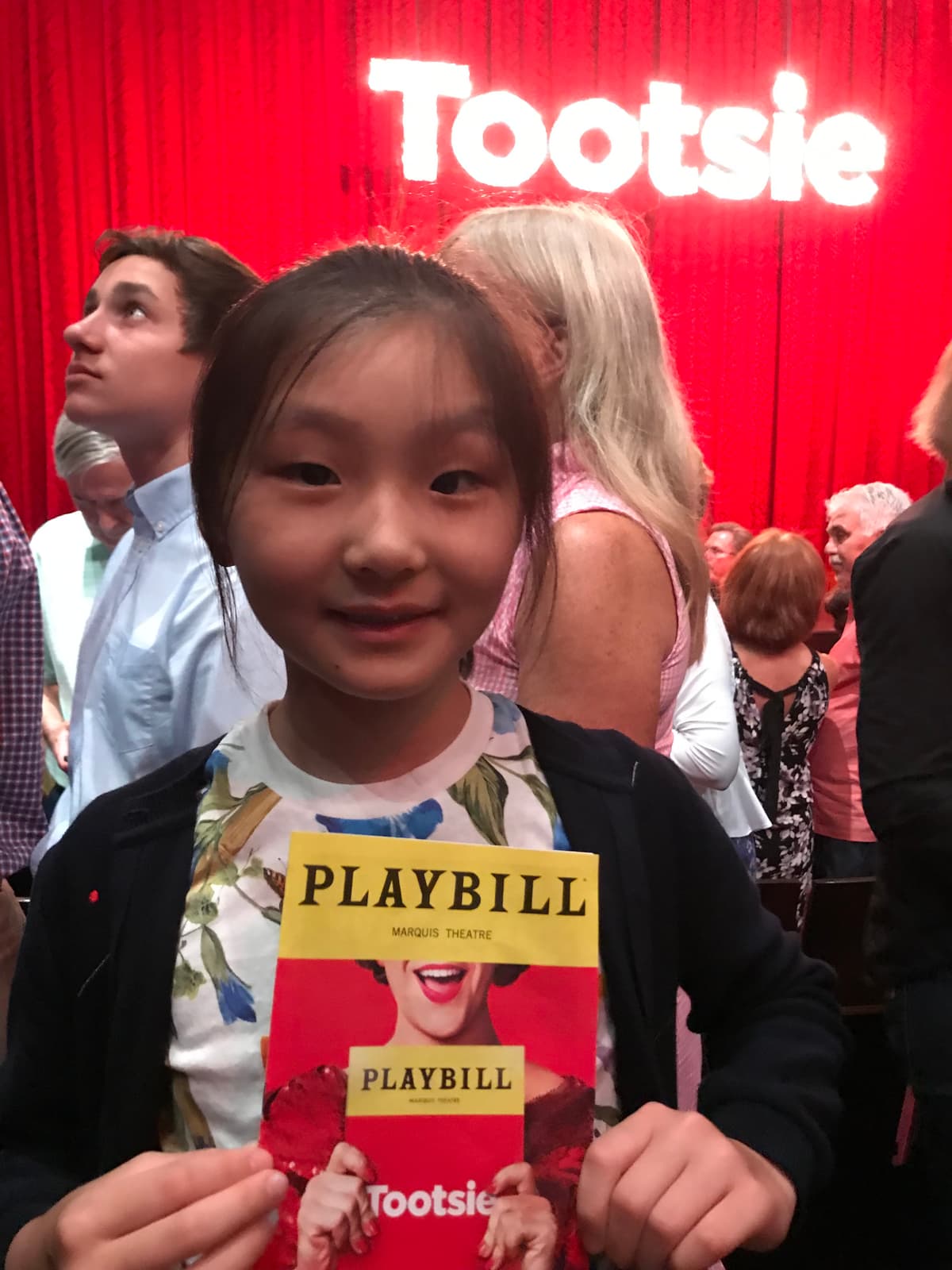
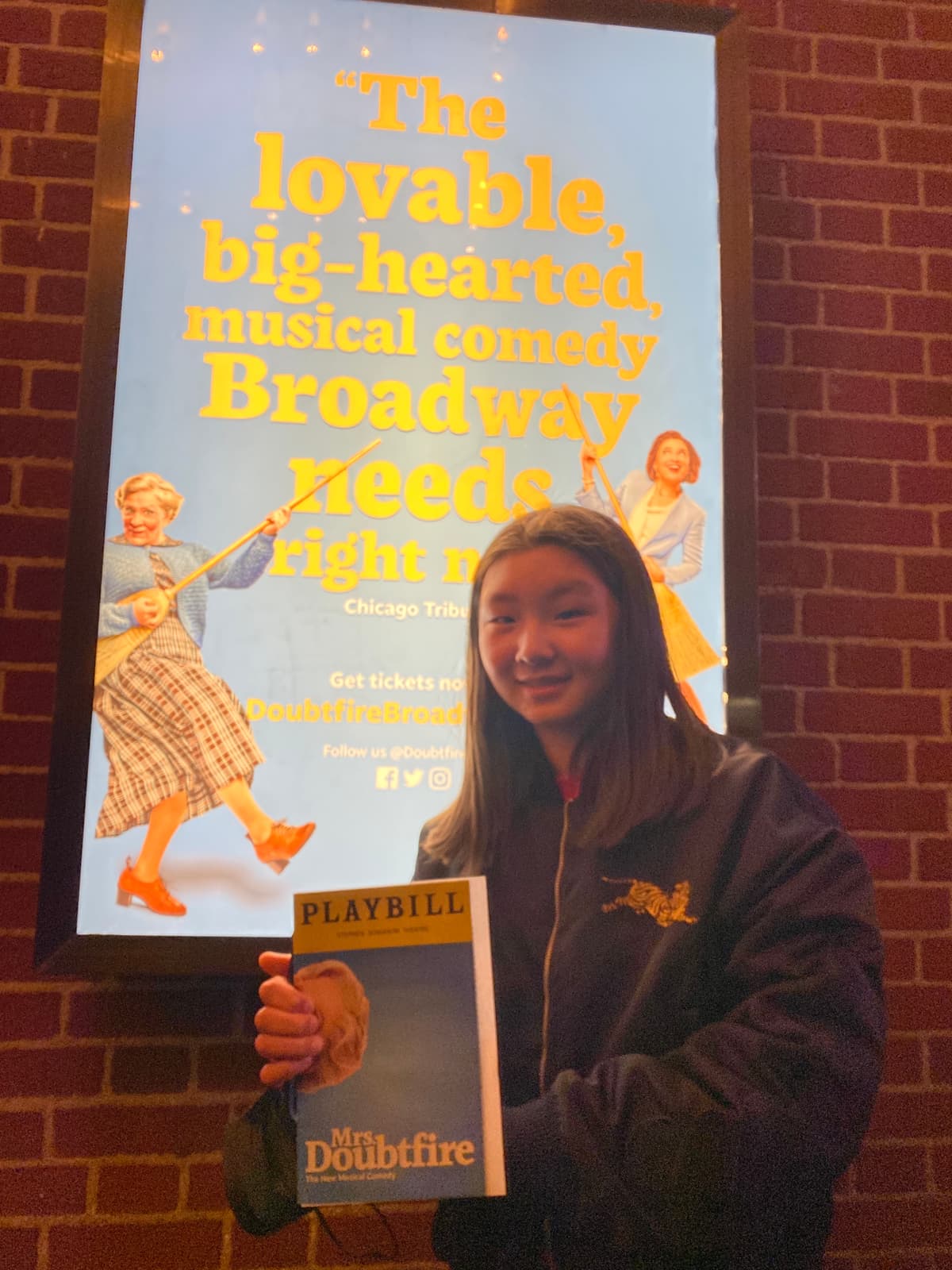
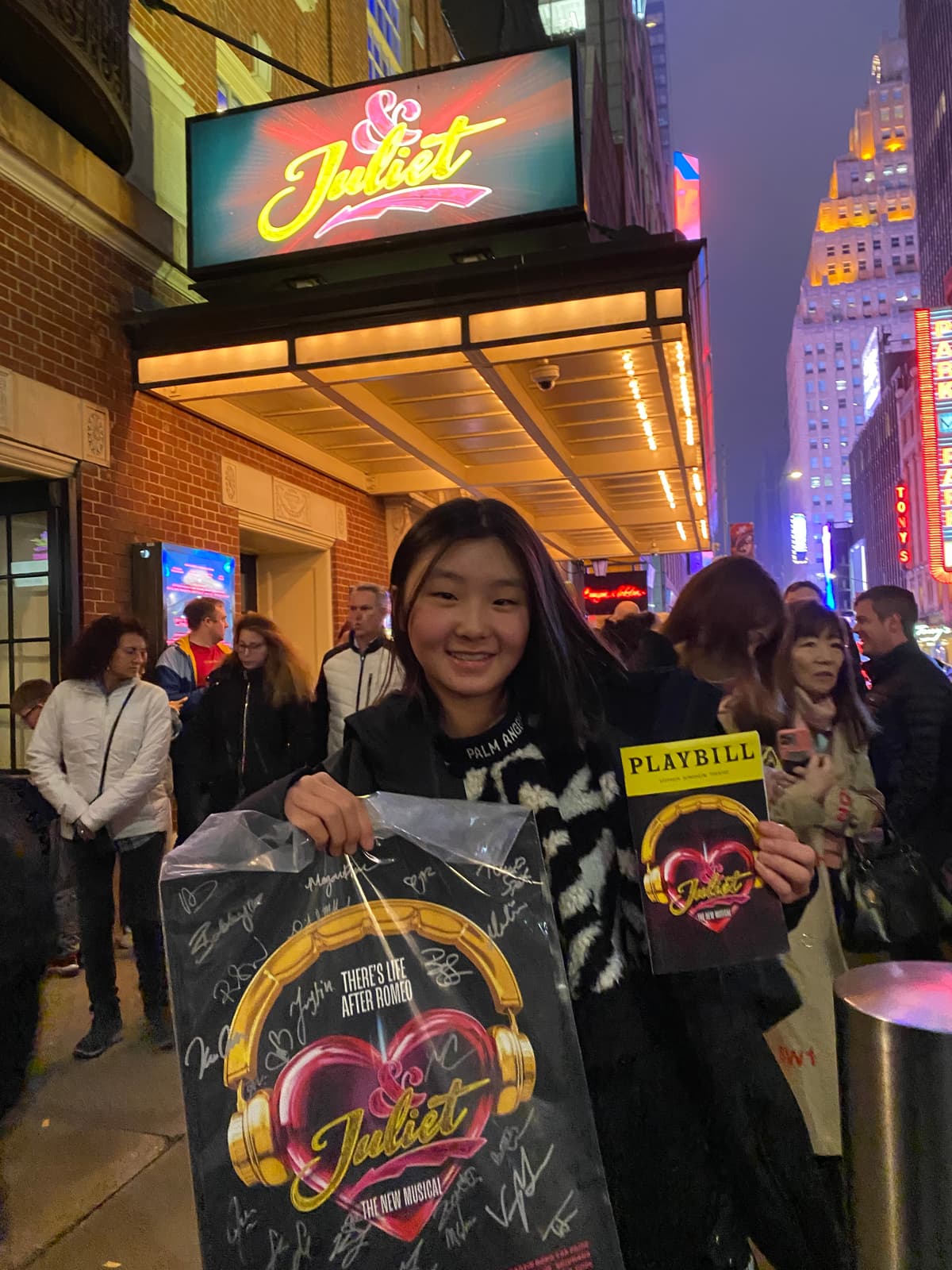
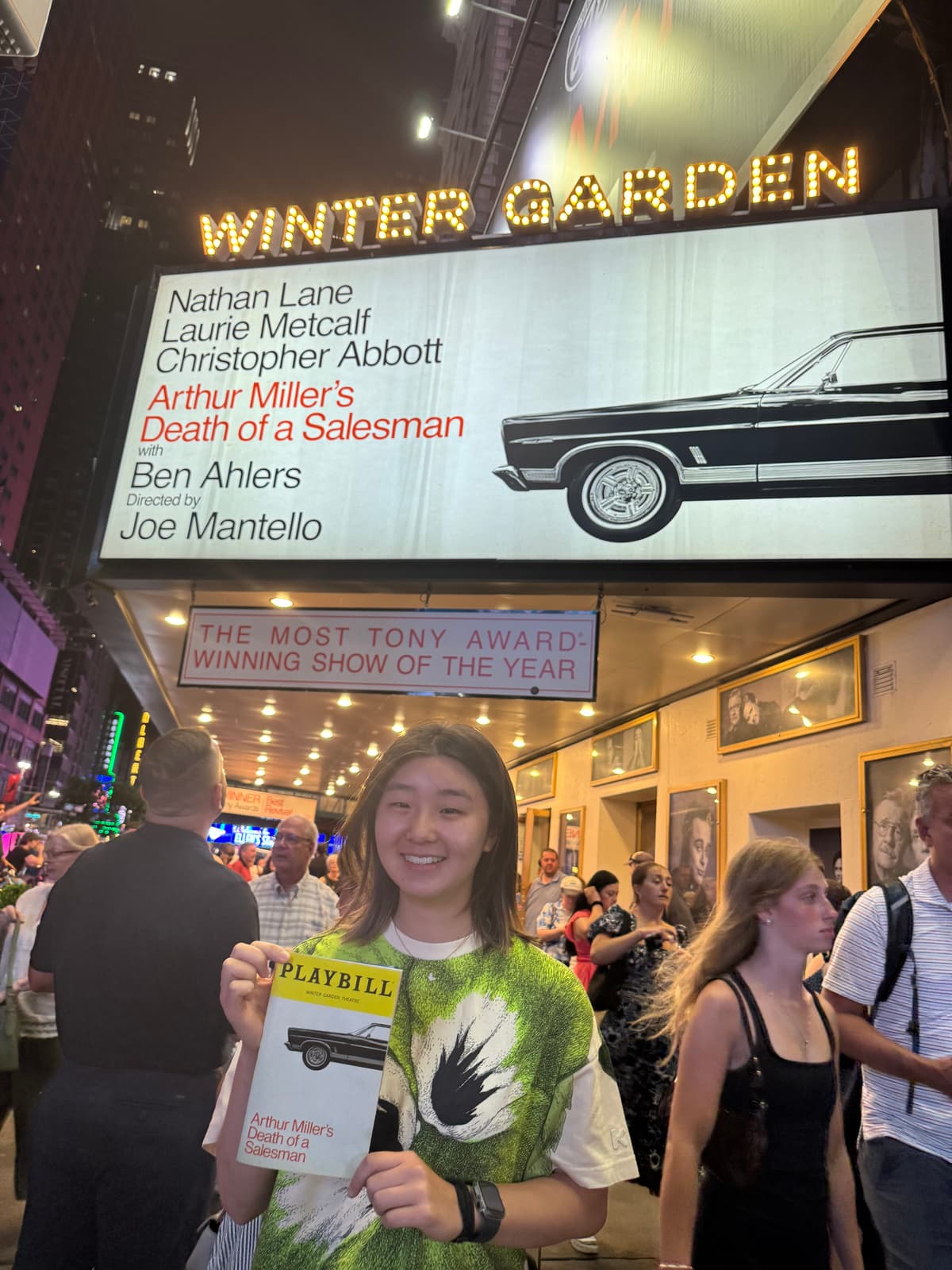
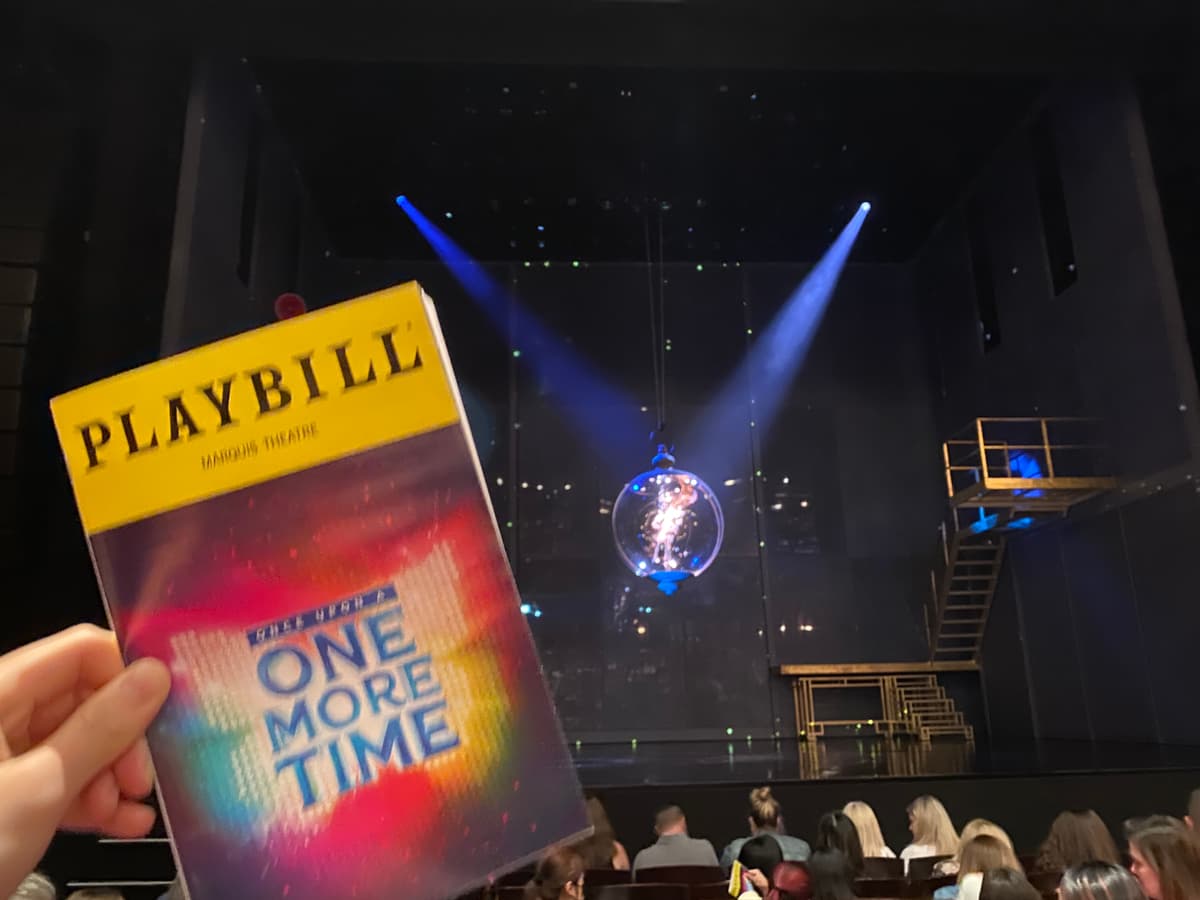
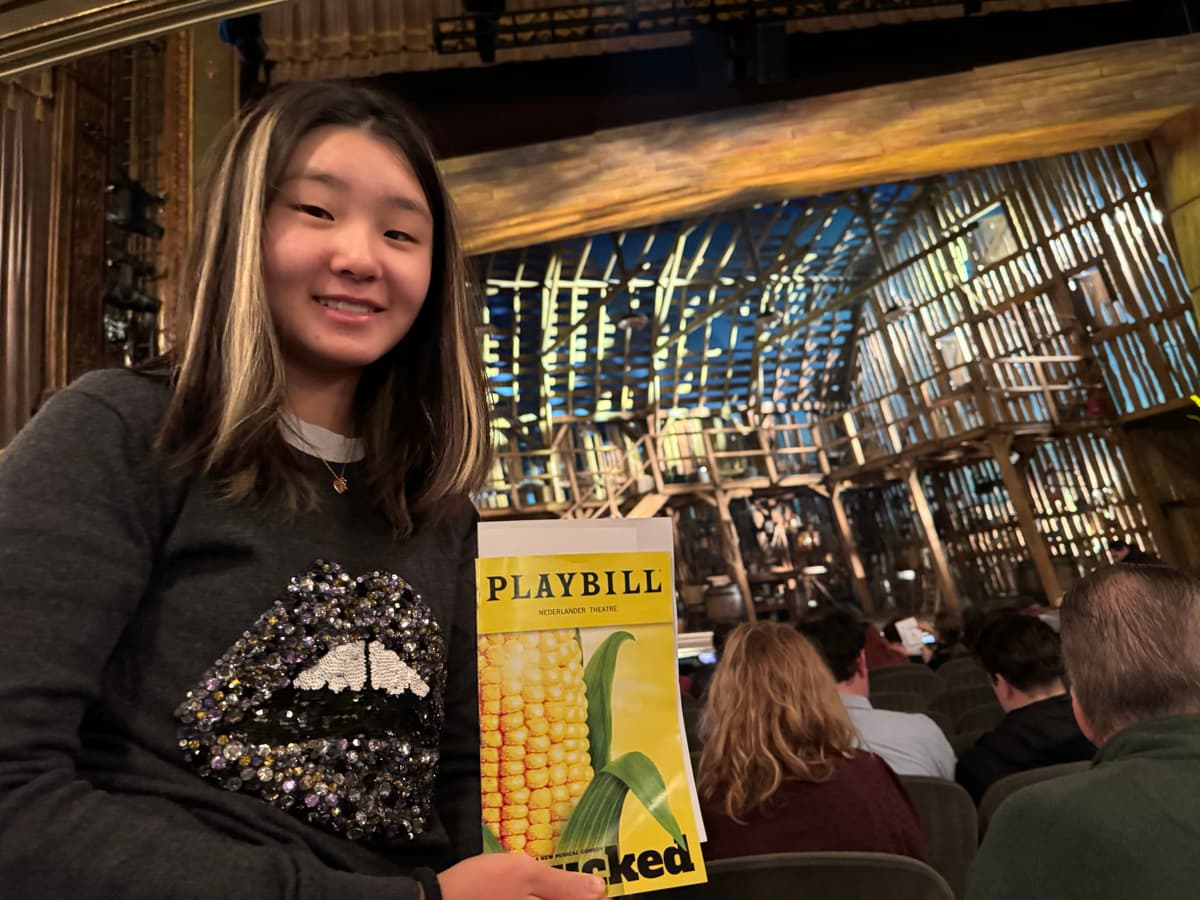
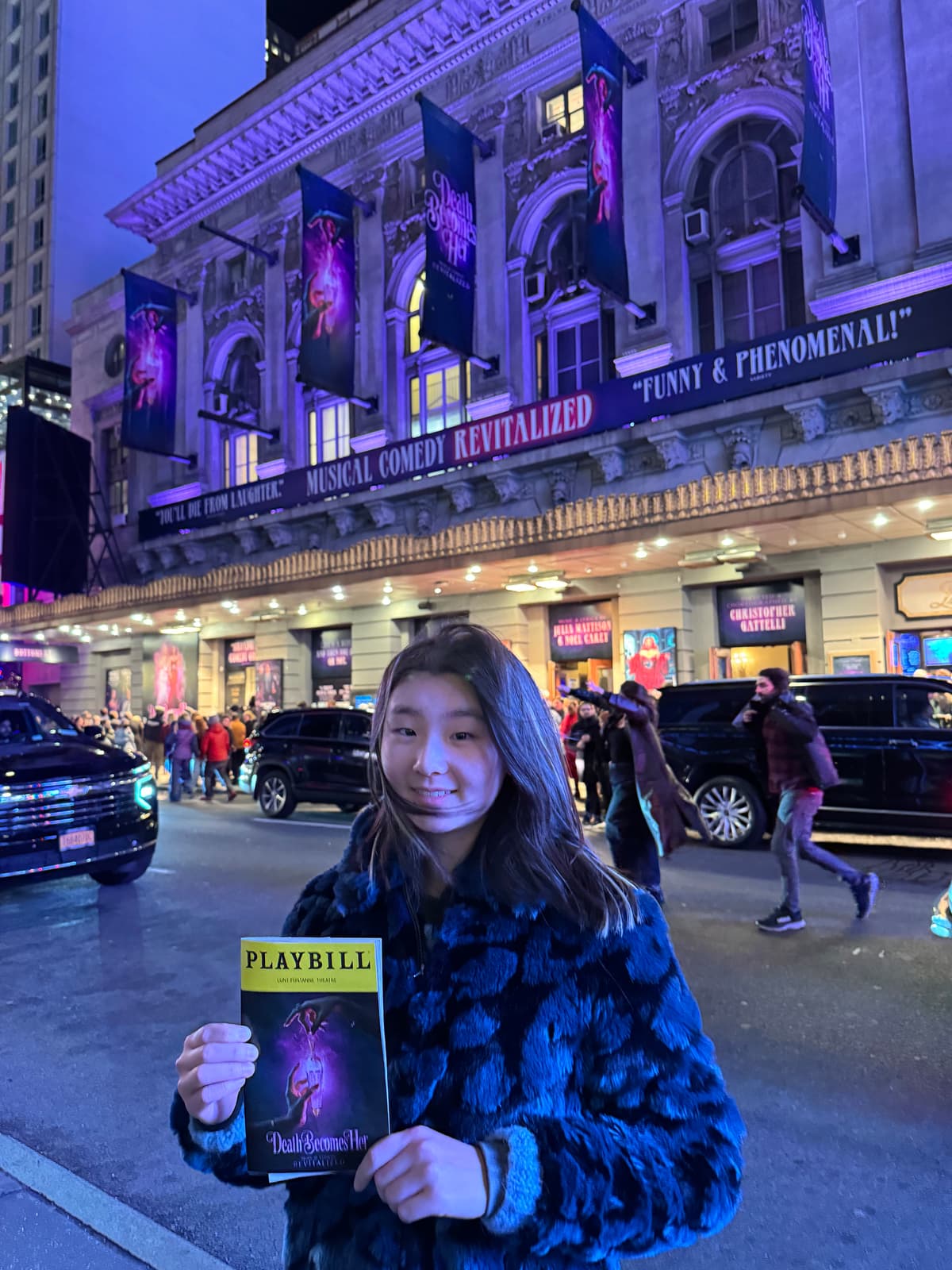
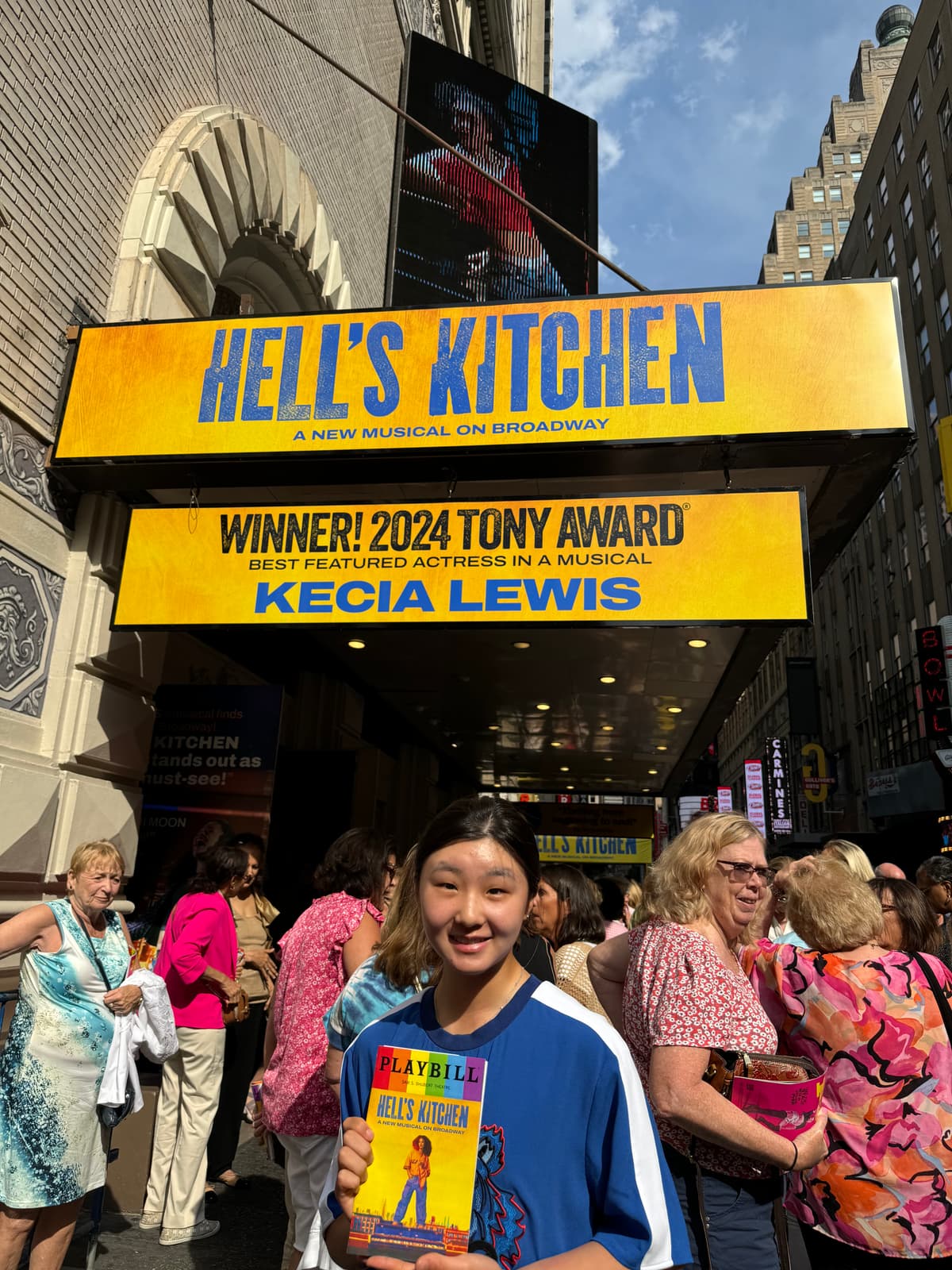
These photographs are not production stills. They are the second history running through the museum: my history with Broadway, beside Broadway’s history with America.
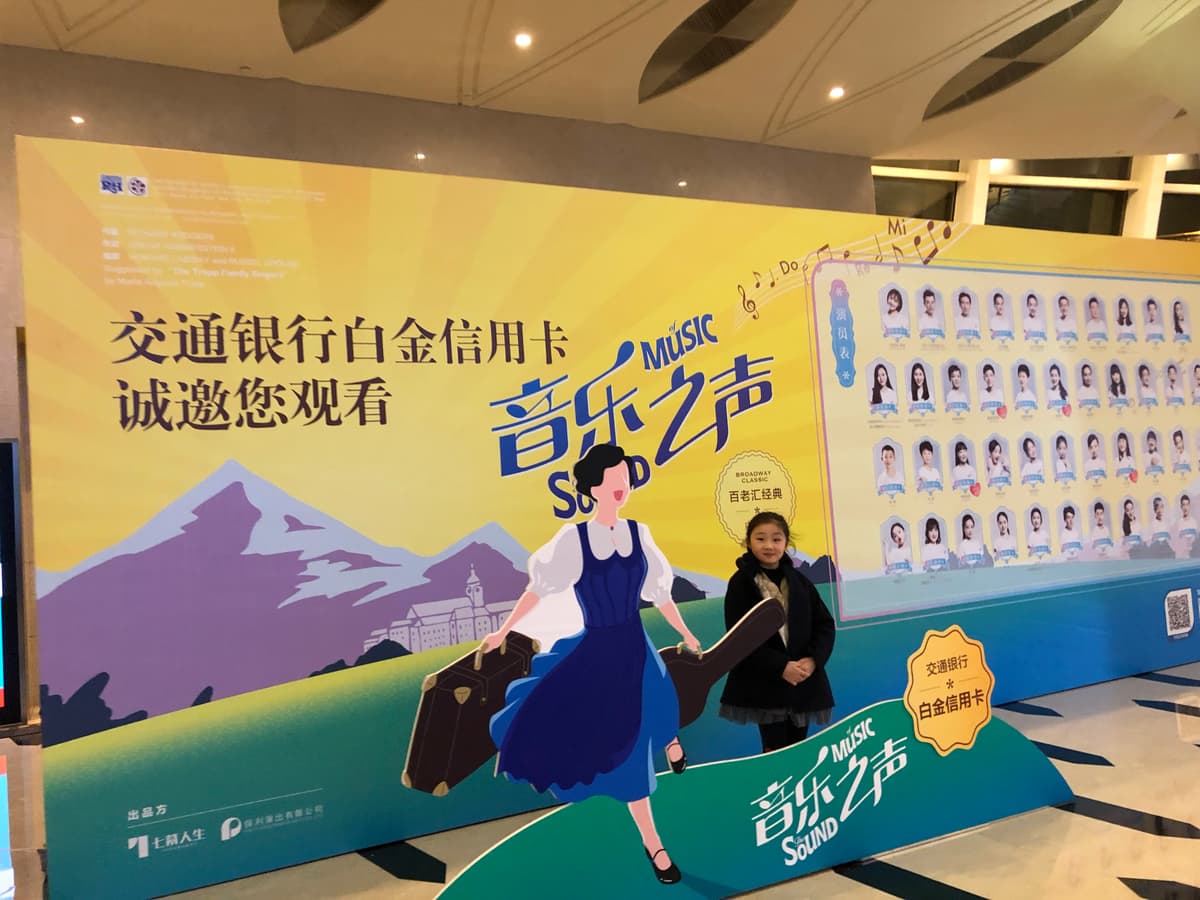
The Sound of Music
revival
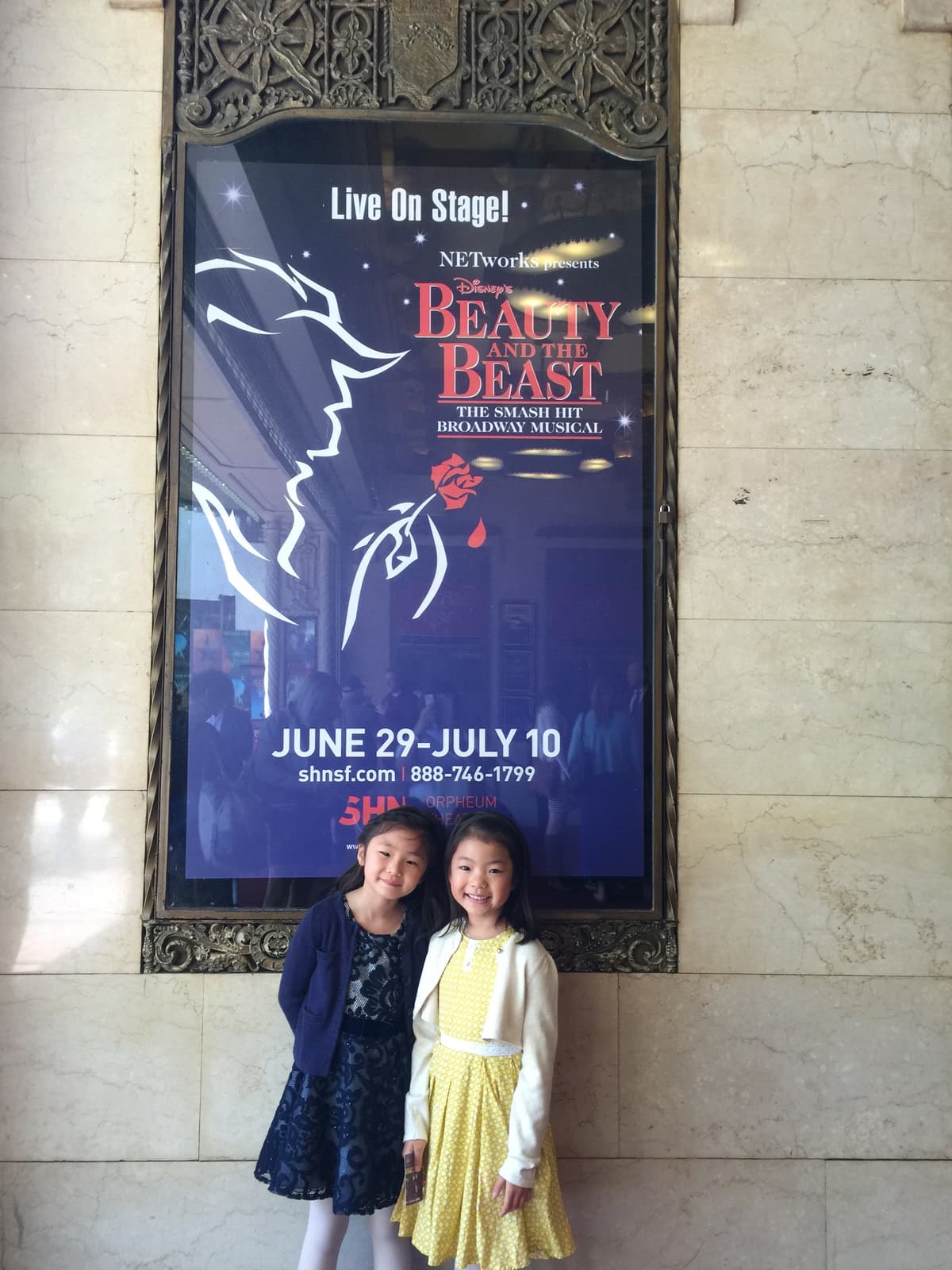
Beauty and the Beast
1994
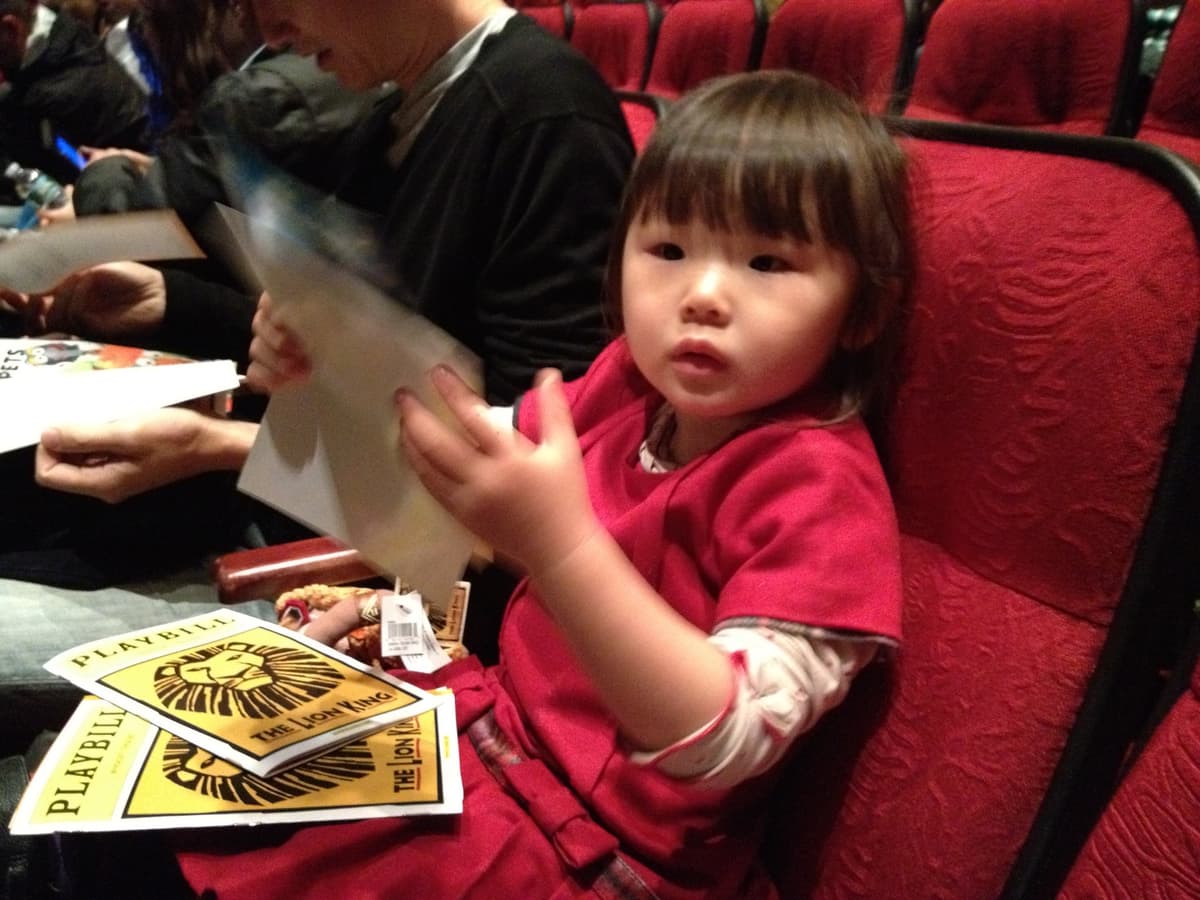
The Lion King
1997
Wicked
2003
The Book of Mormon
2011
Matilda
2013
Hamilton
2015
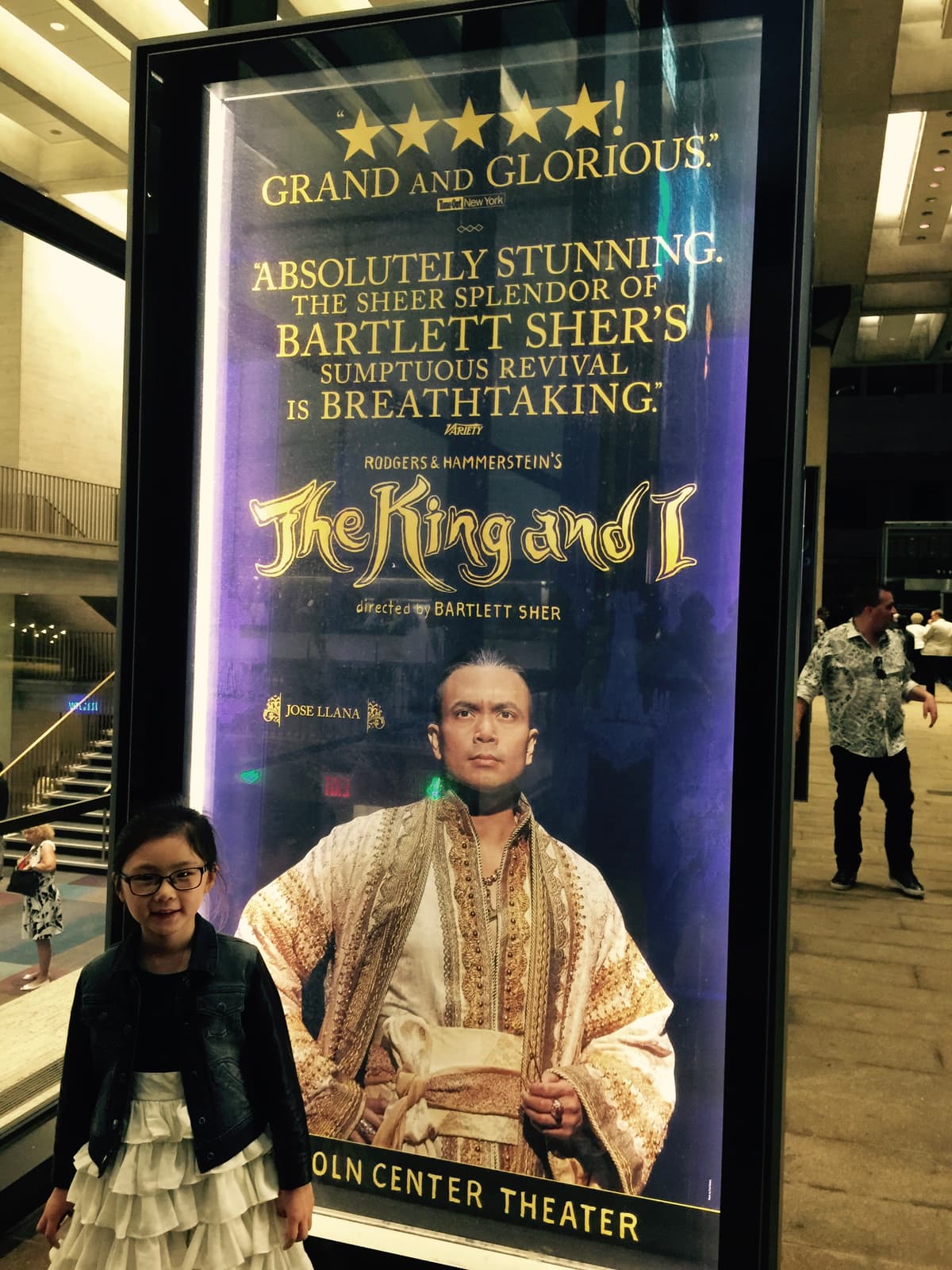
The King and I
2015 · revival
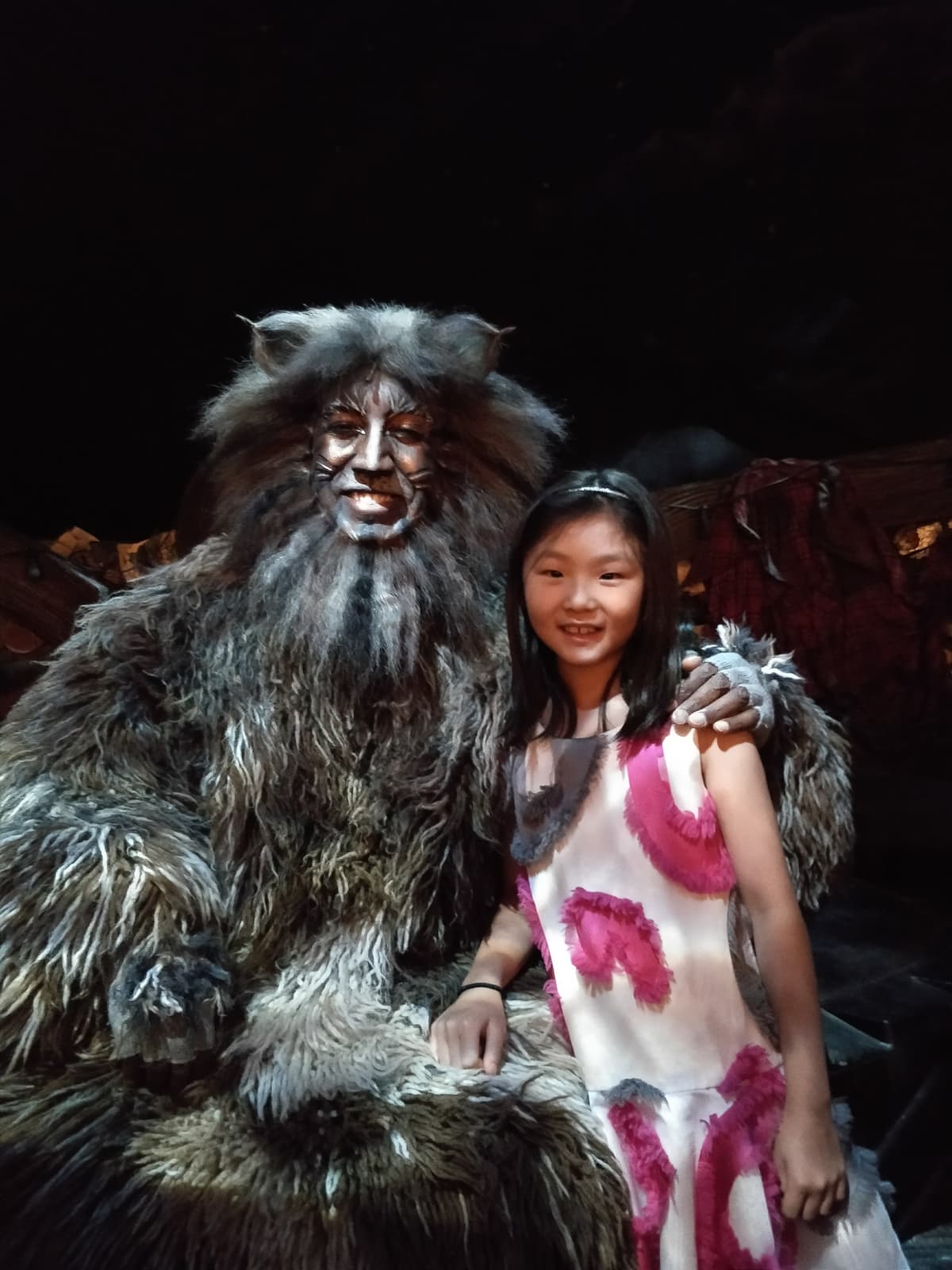
Cats
2016 · revival
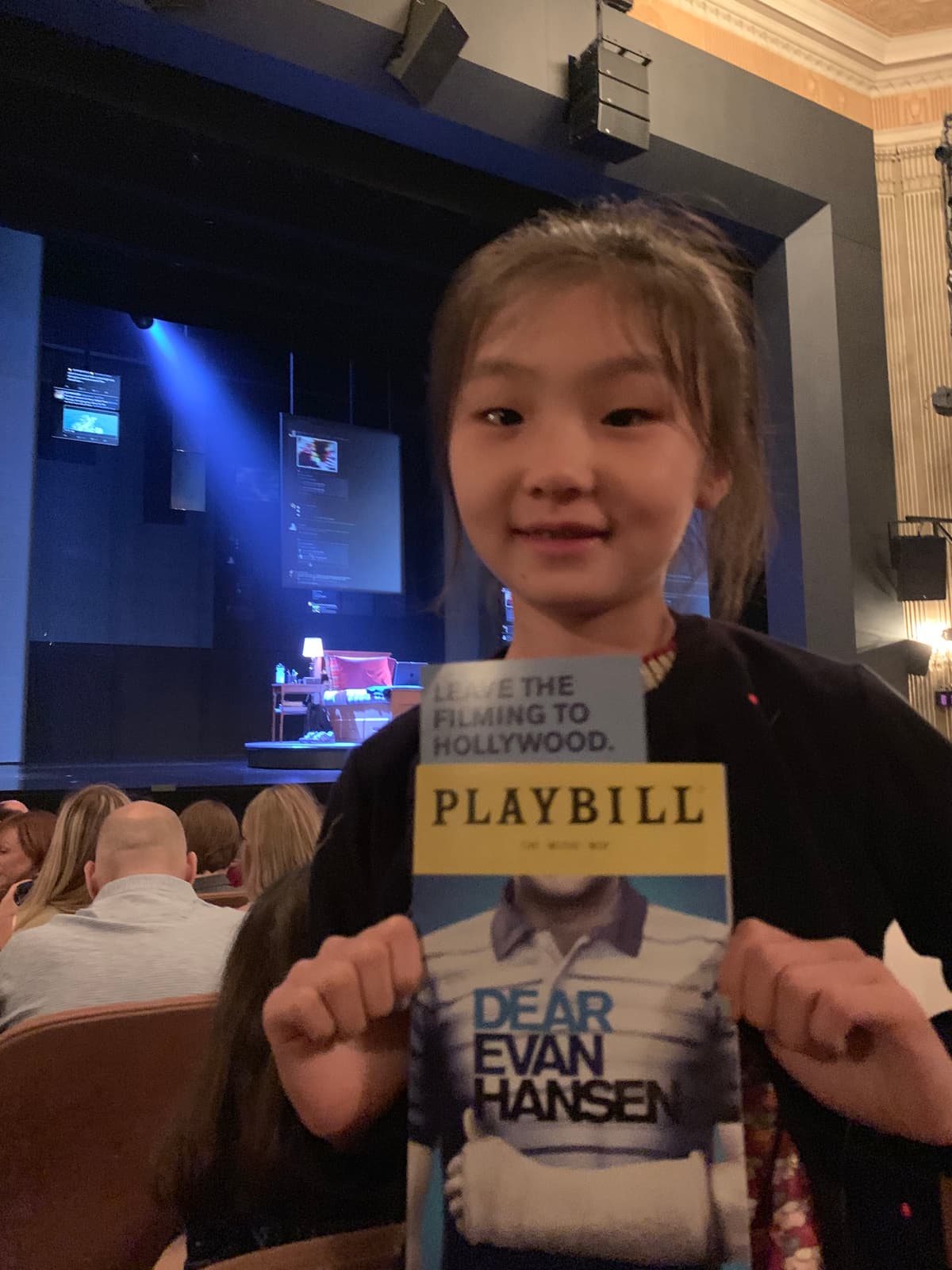
Dear Evan Hansen
2016
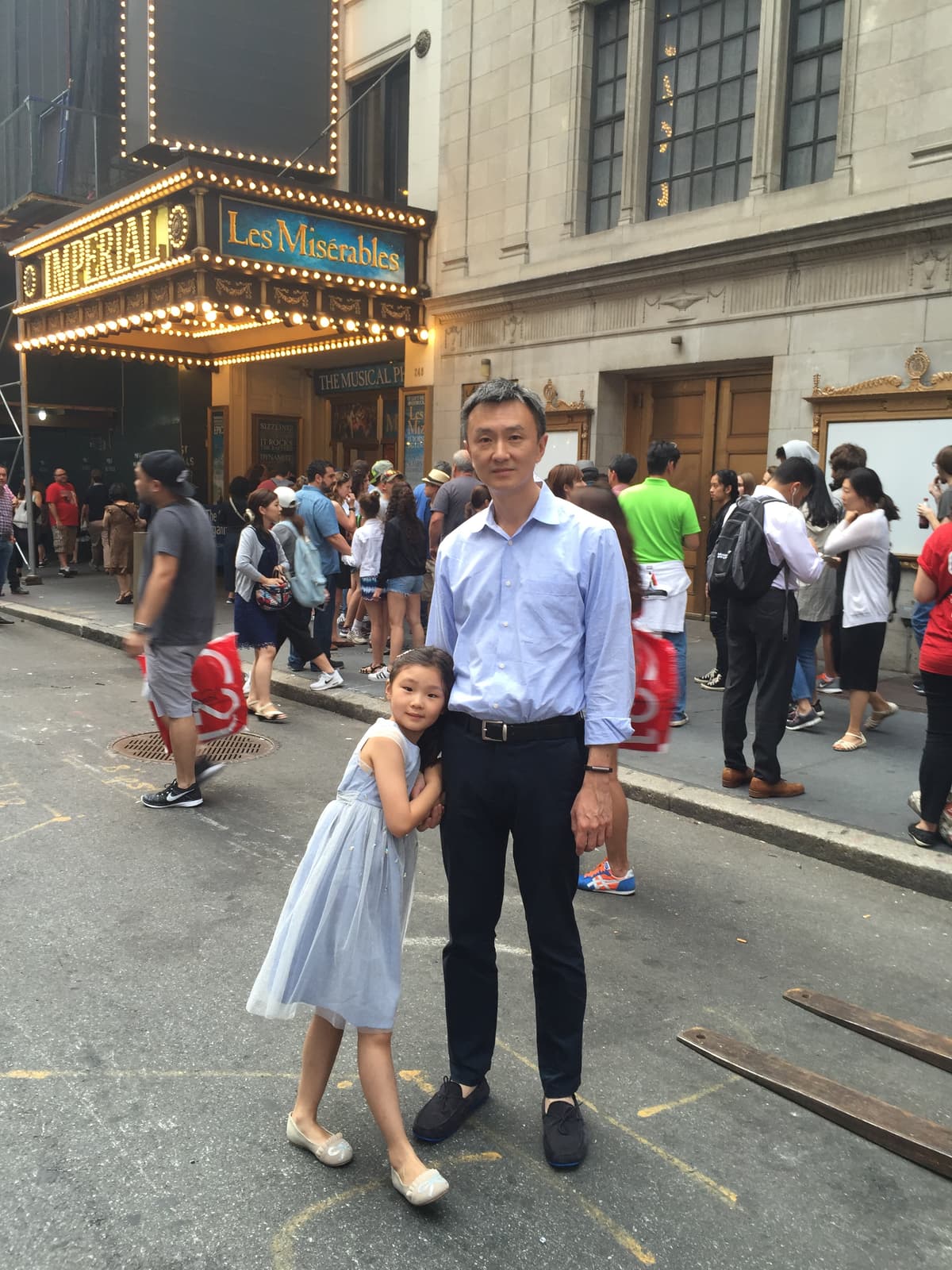
Les Misérables
2016 · revival
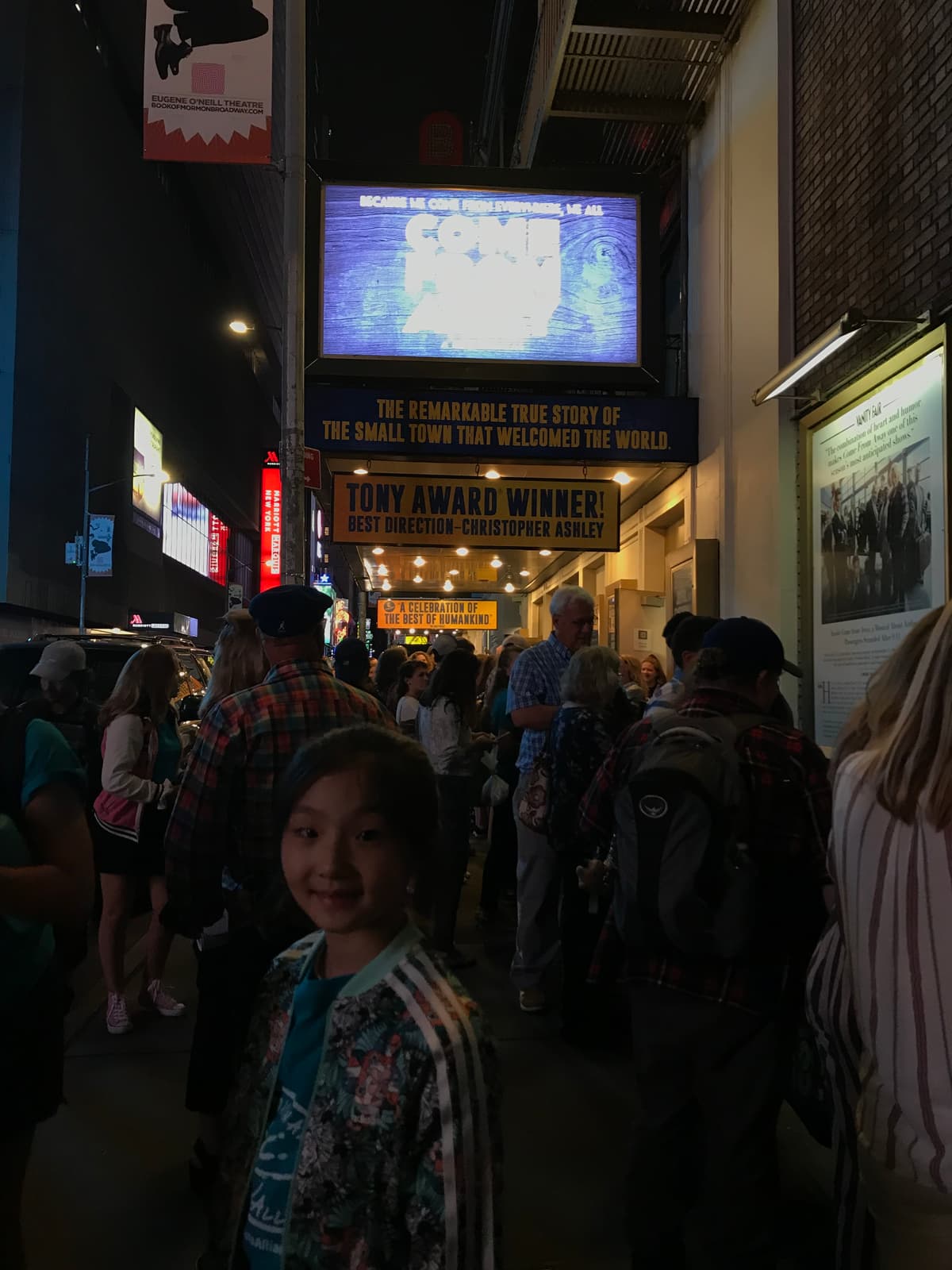
Come From Away
2017
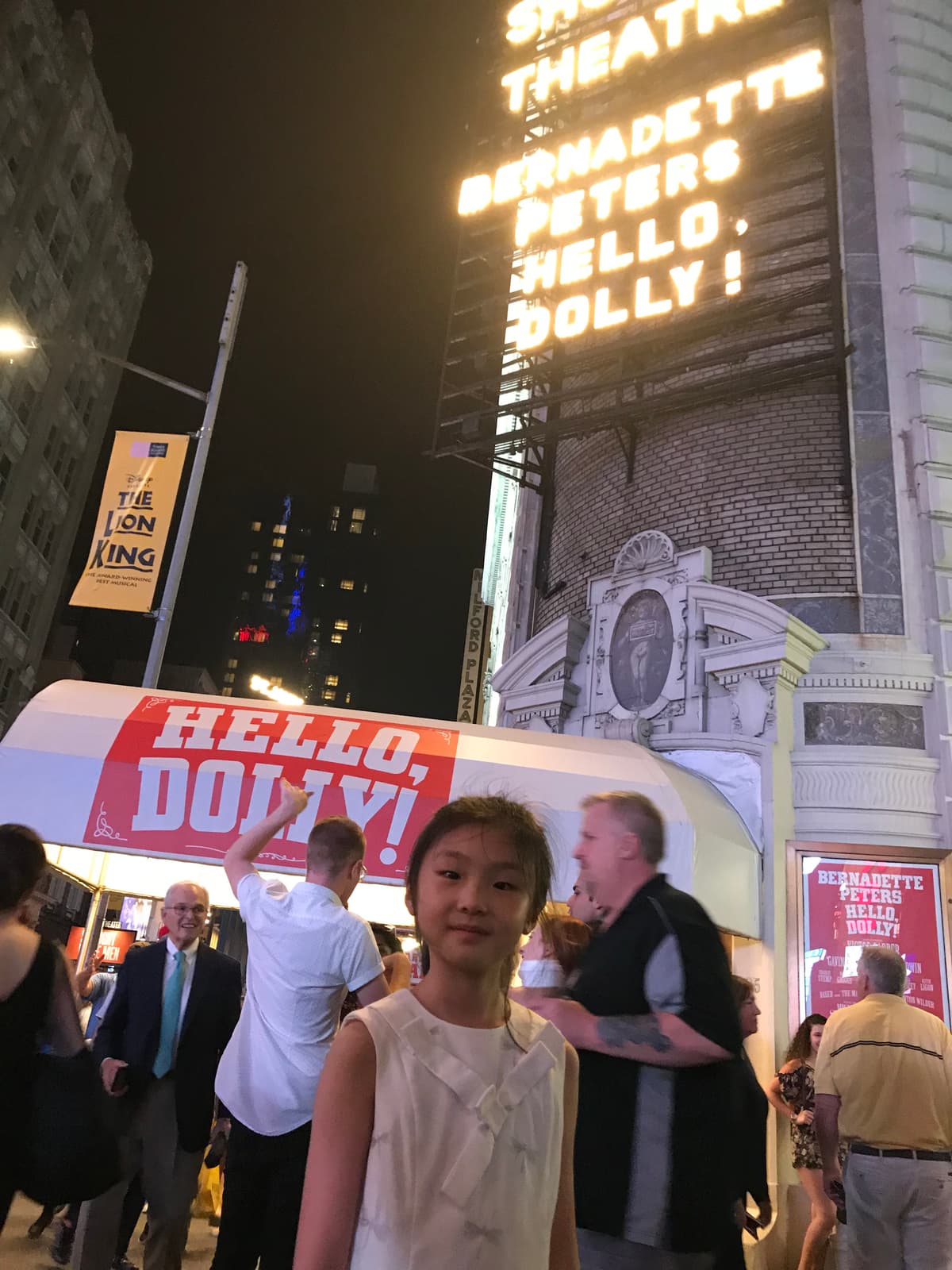
Hello, Dolly!
2017 · revival
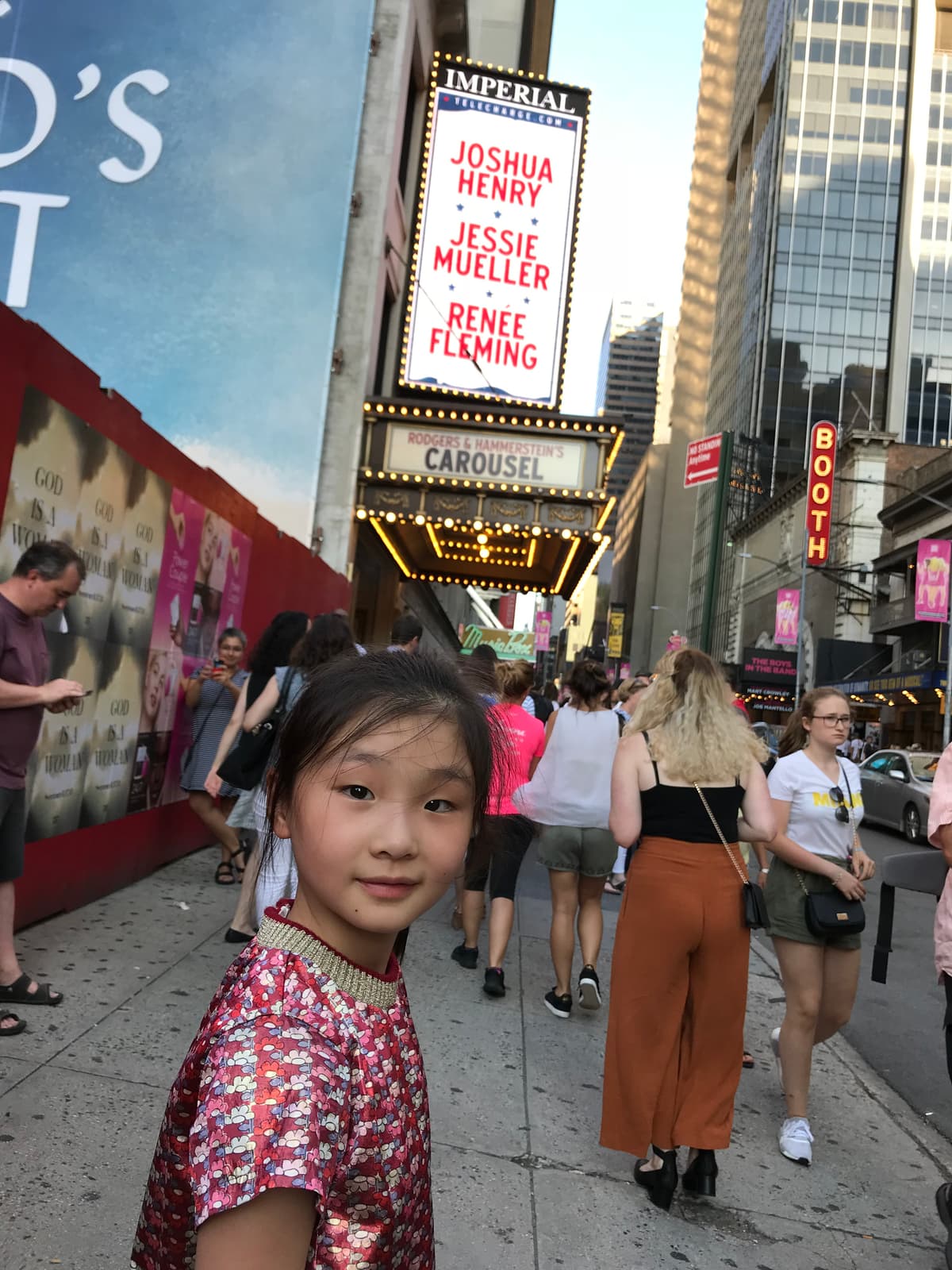
Carousel
2018 · revival
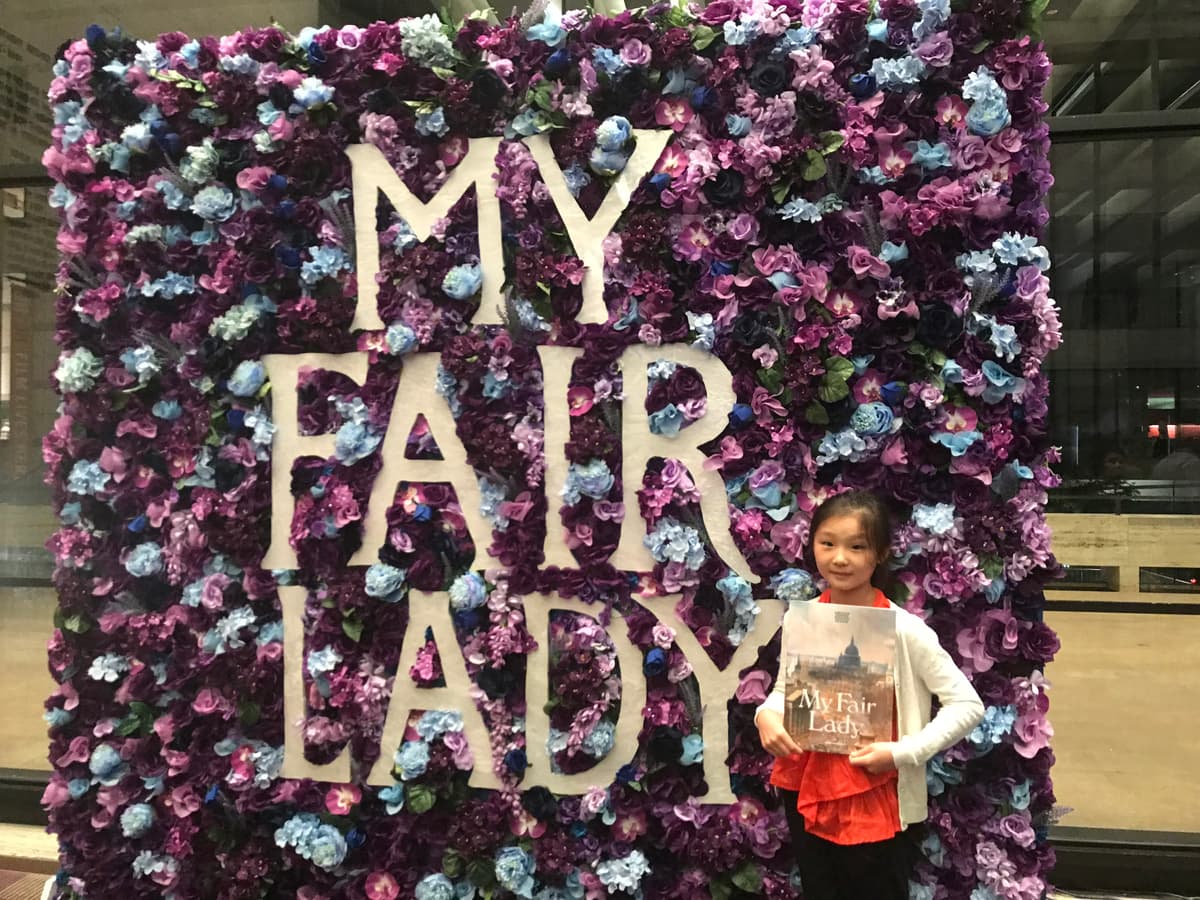
My Fair Lady
2018 · revival
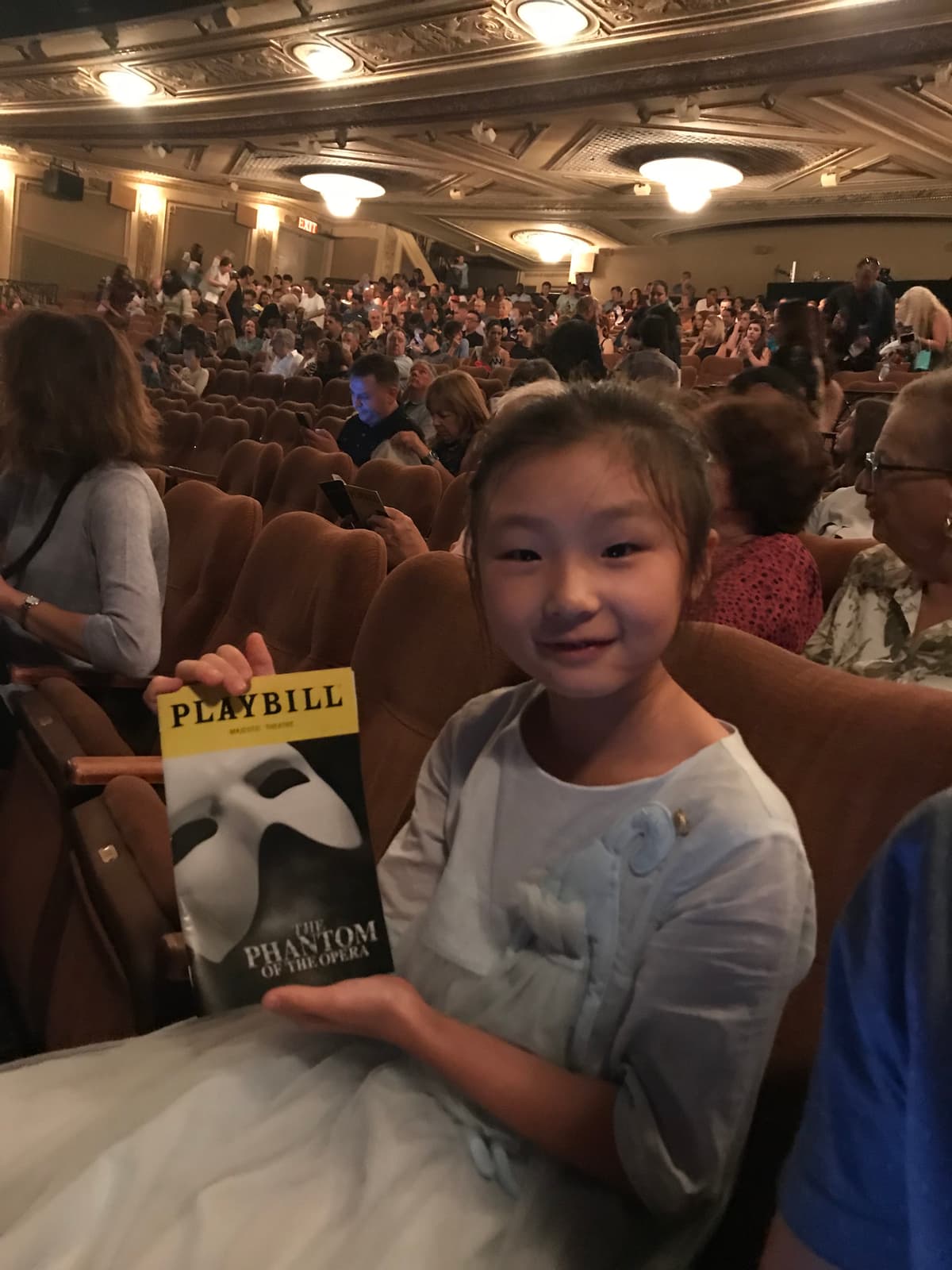
The Phantom of the Opera
2018 · revival
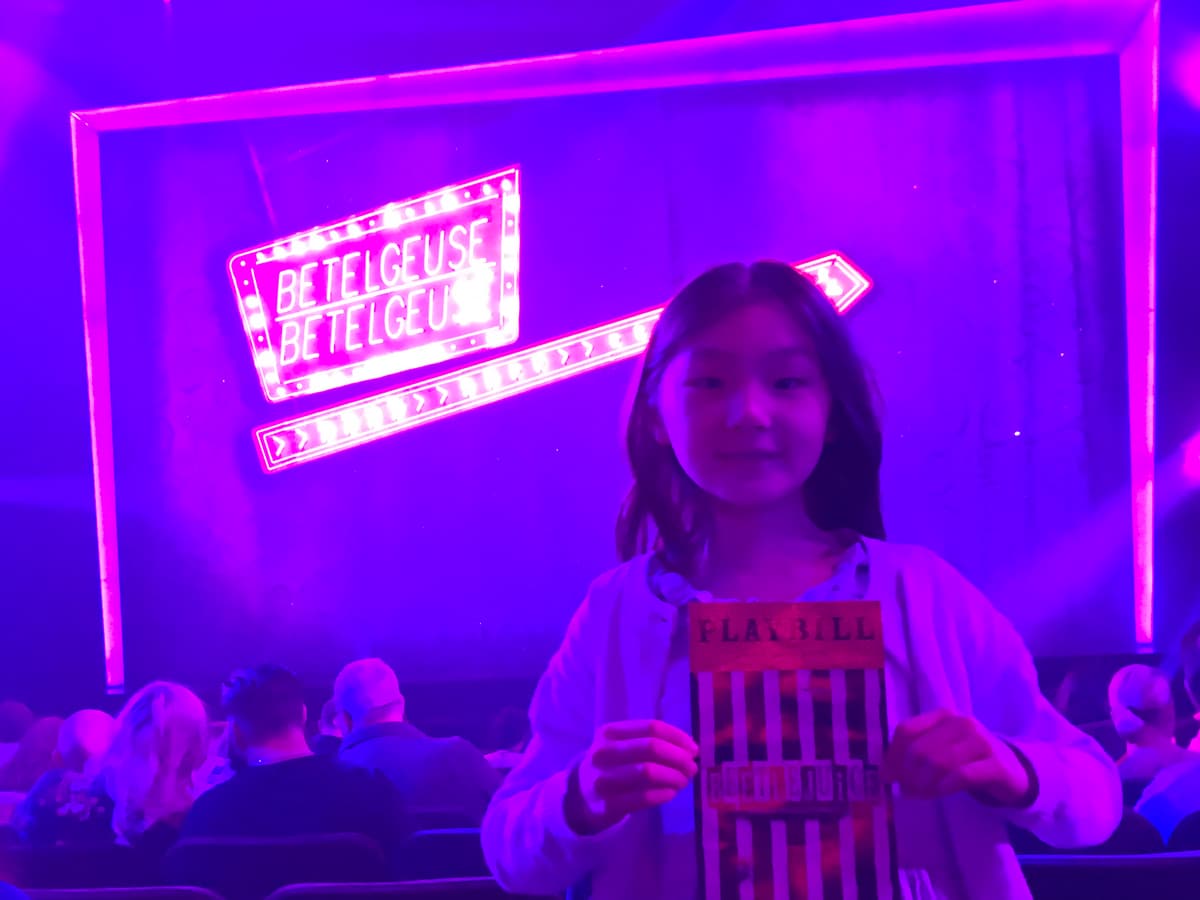
Beetlejuice
2019
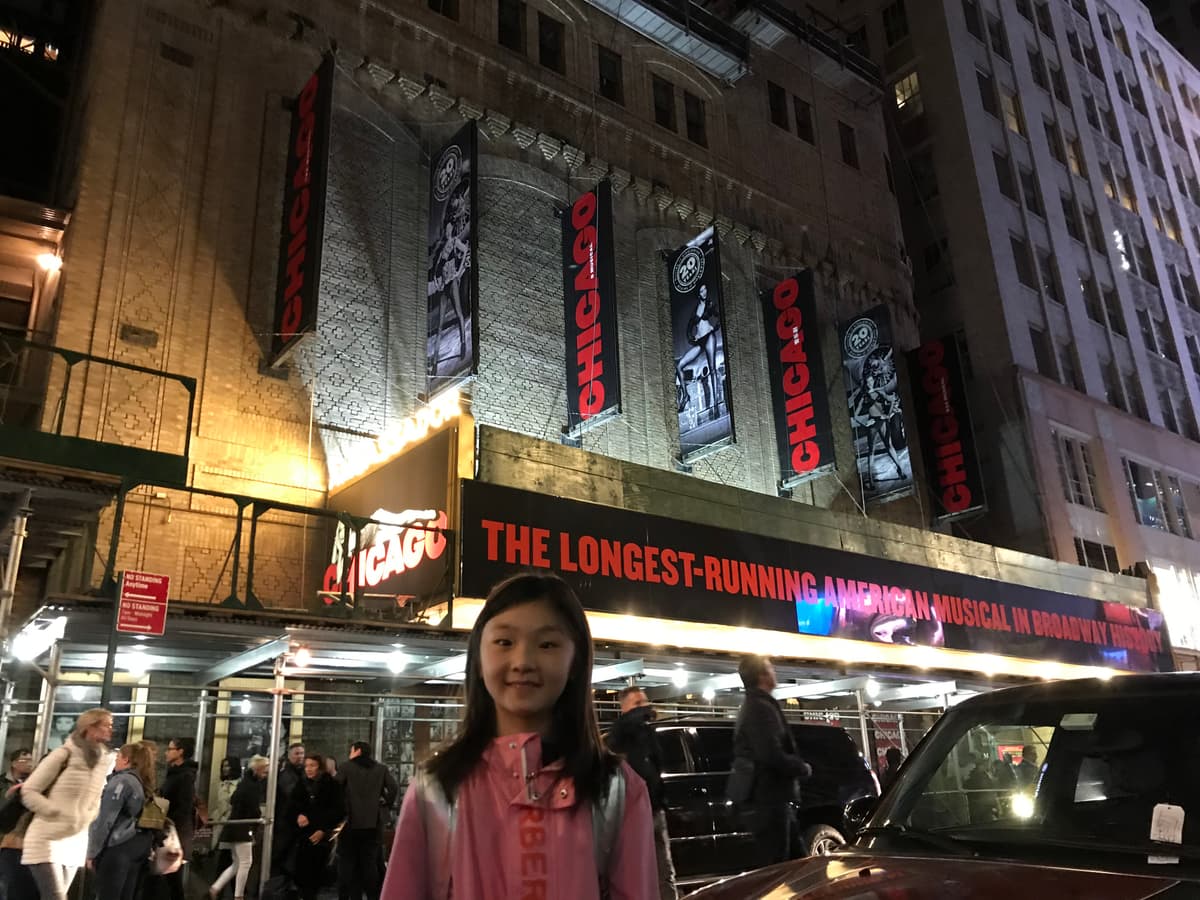
Chicago
2019 · revival
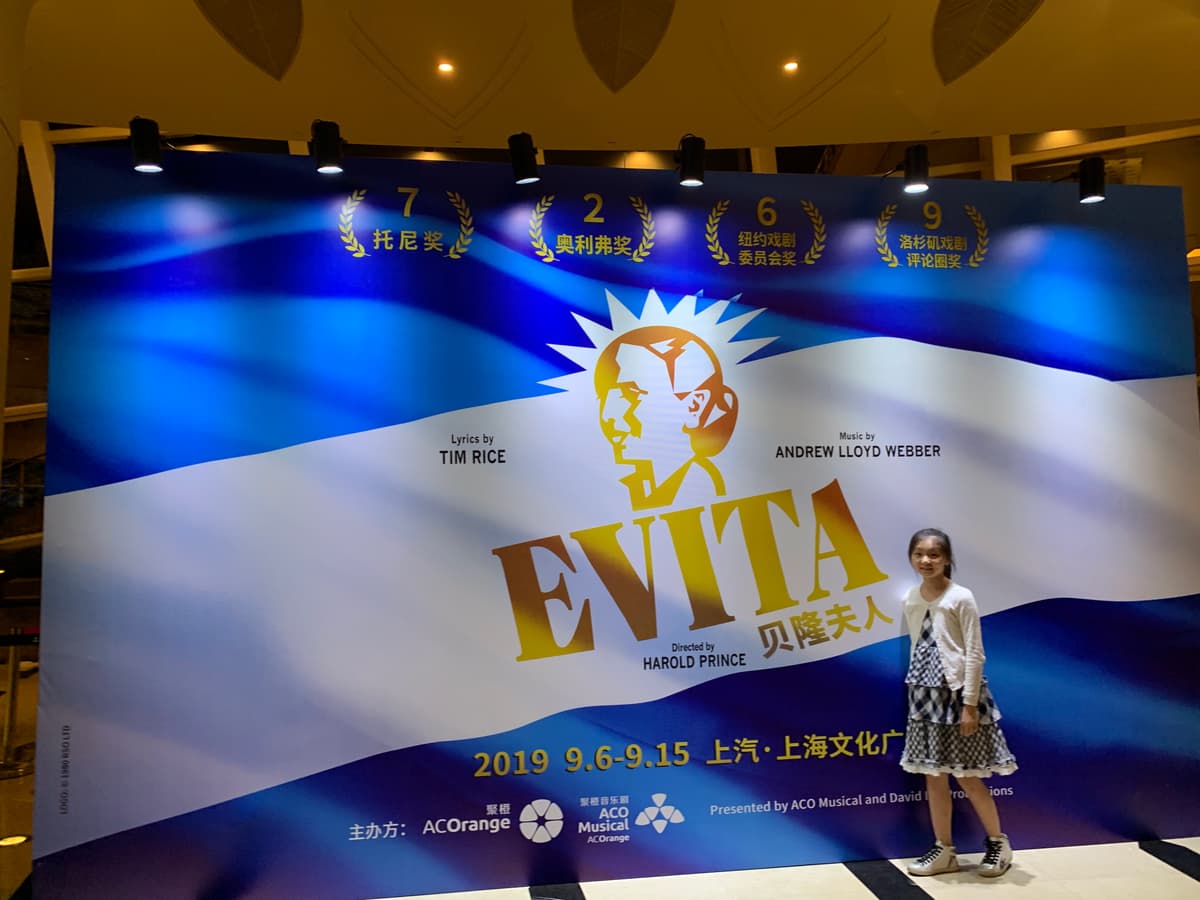
Evita
2019 · revival
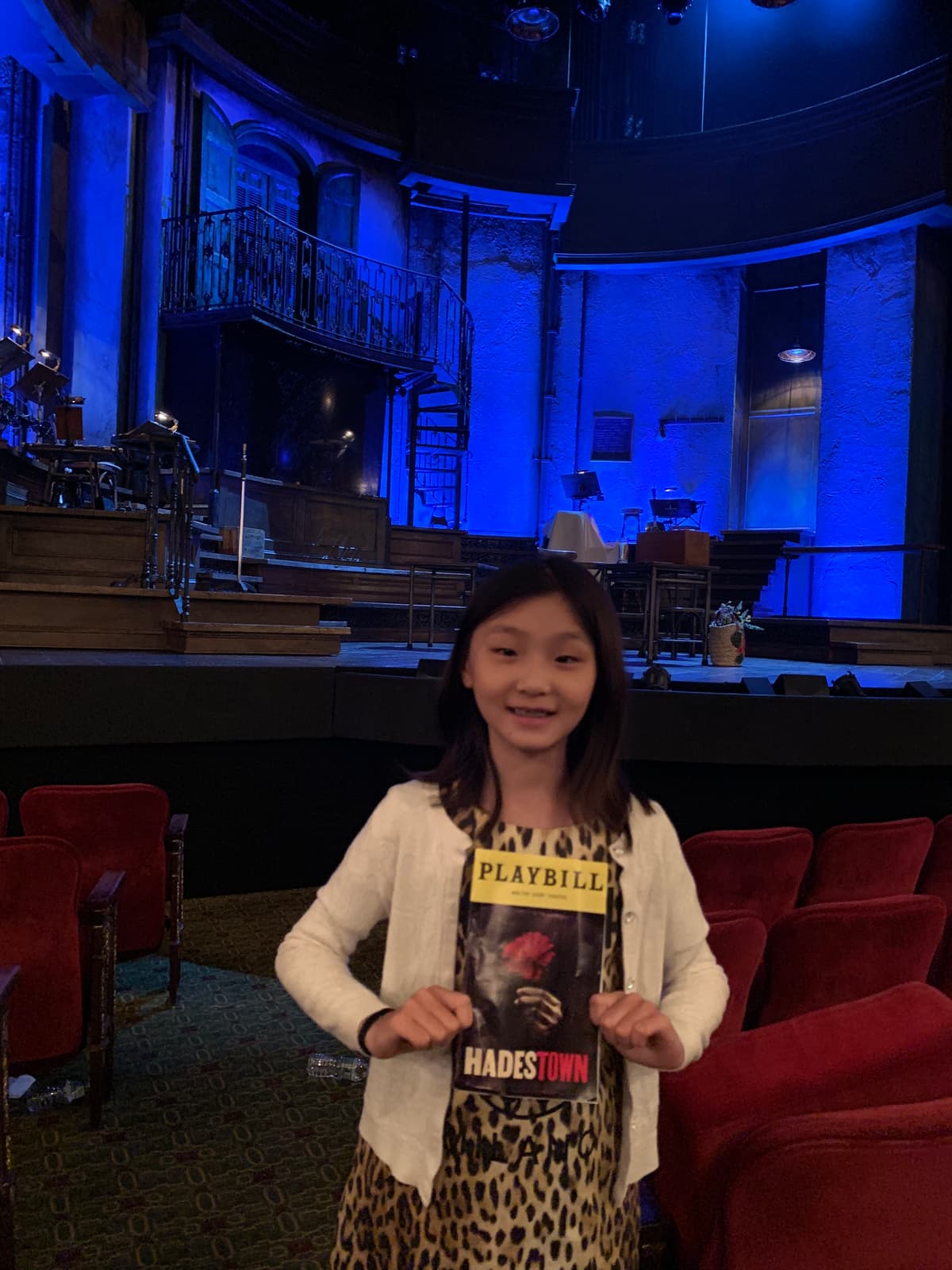
Hadestown
2019
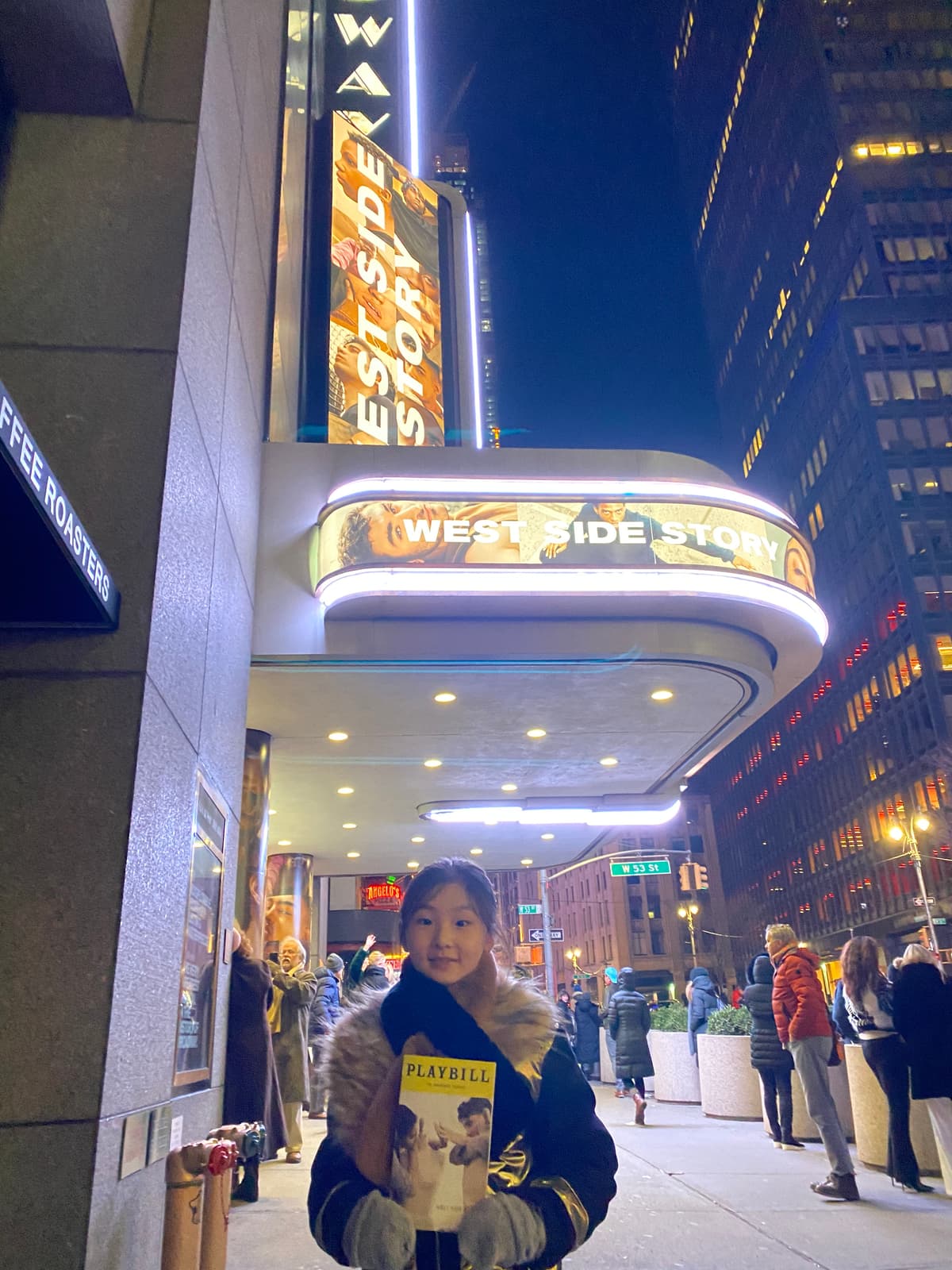
West Side Story
2020 · revival
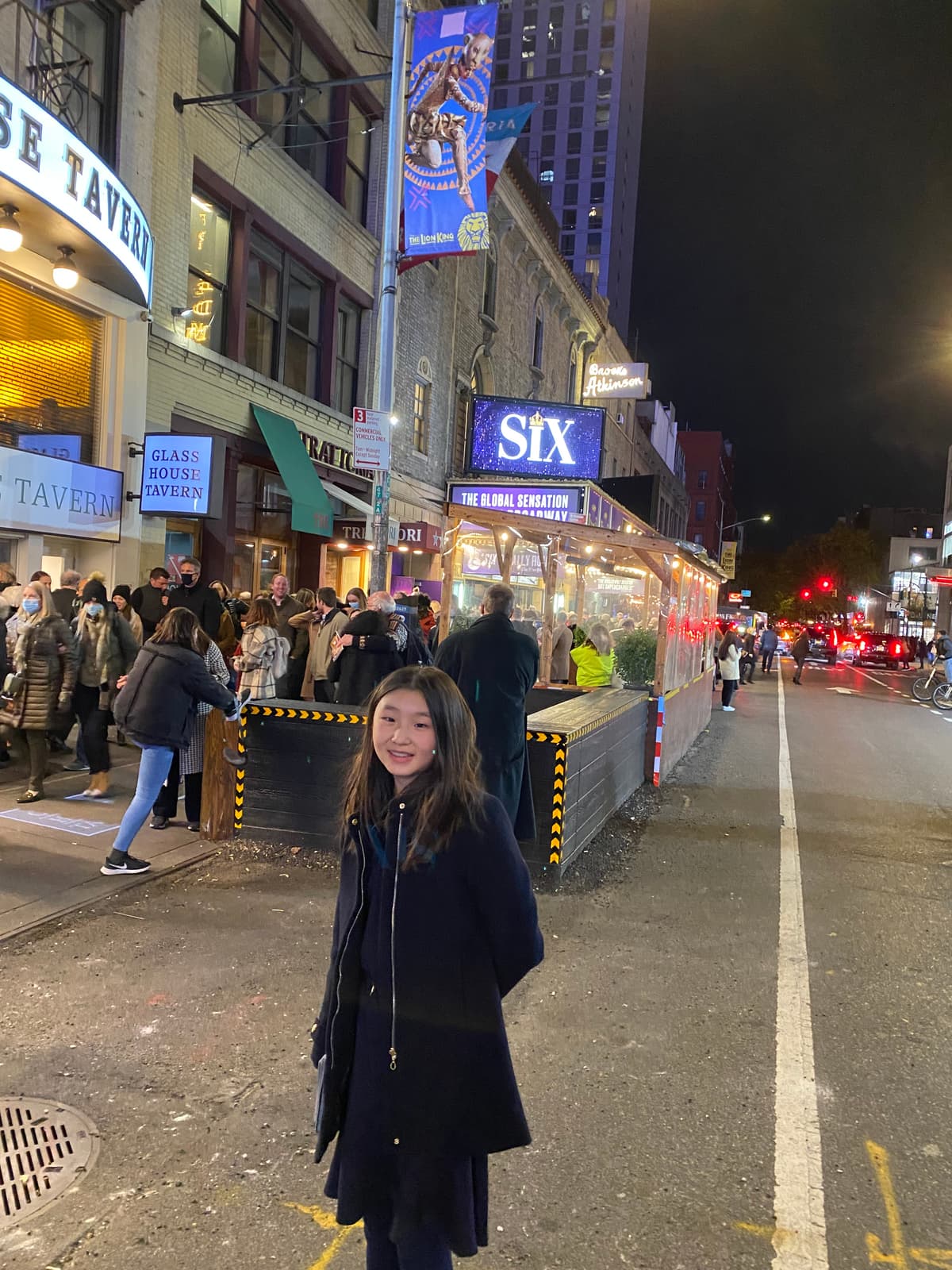
SIX
2021
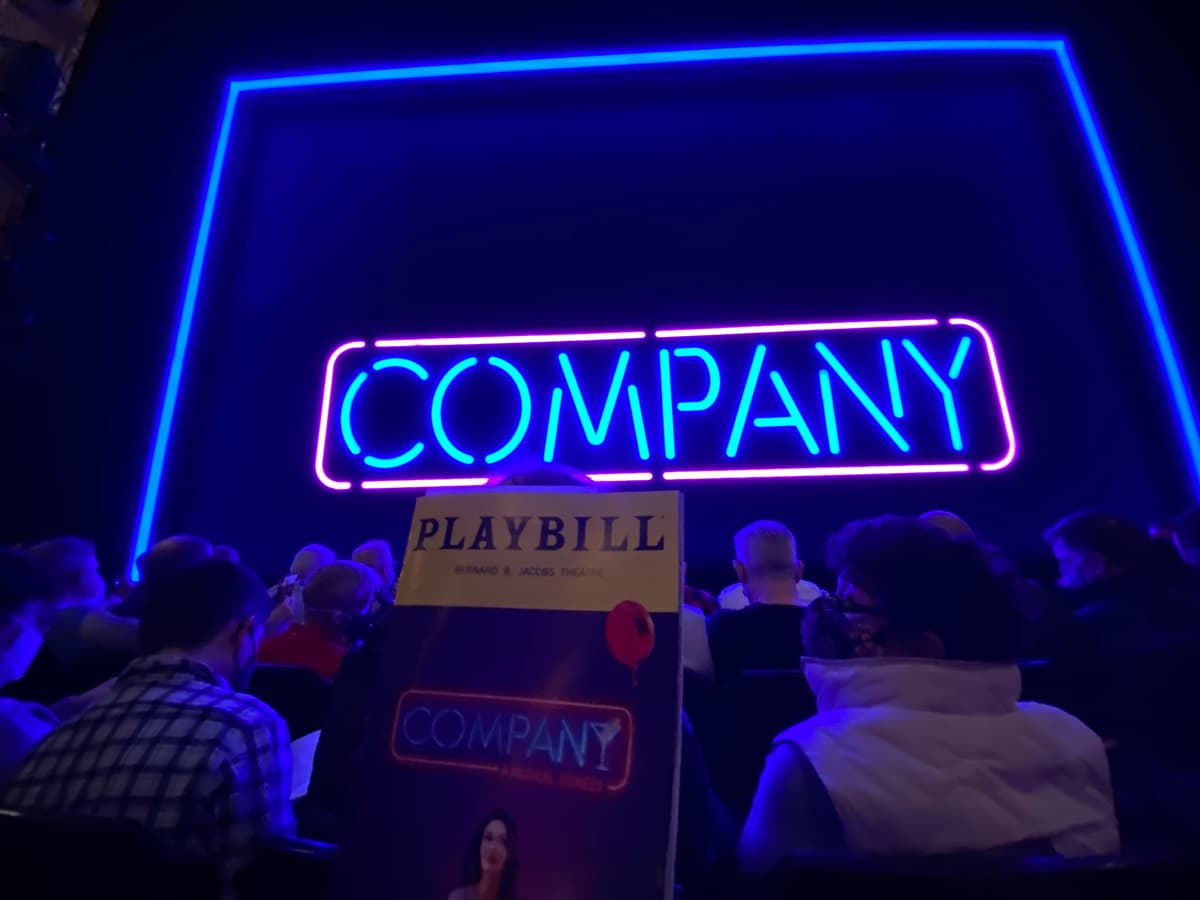
Company
2022 · revival
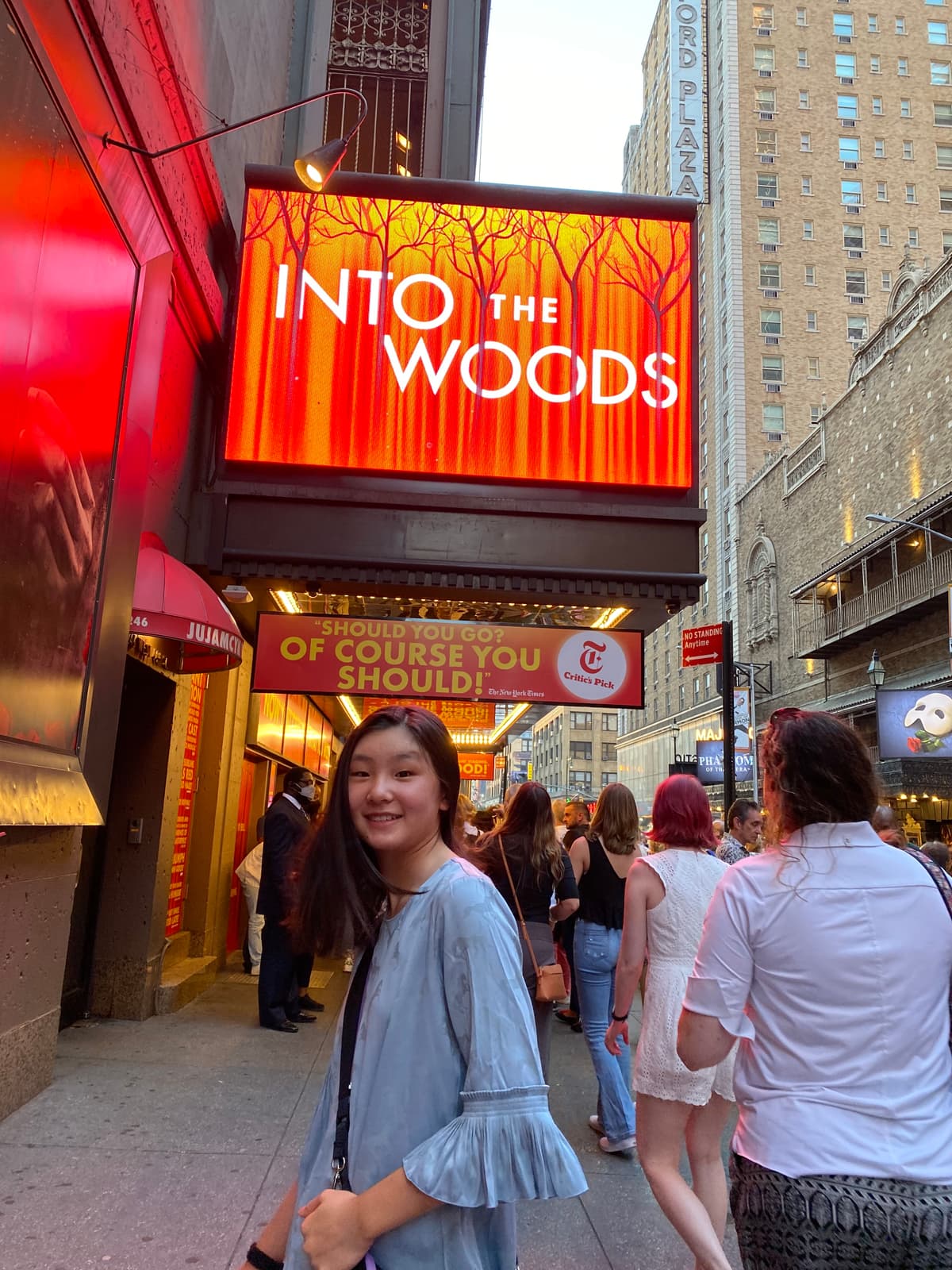
Into the Woods
2022 · revival
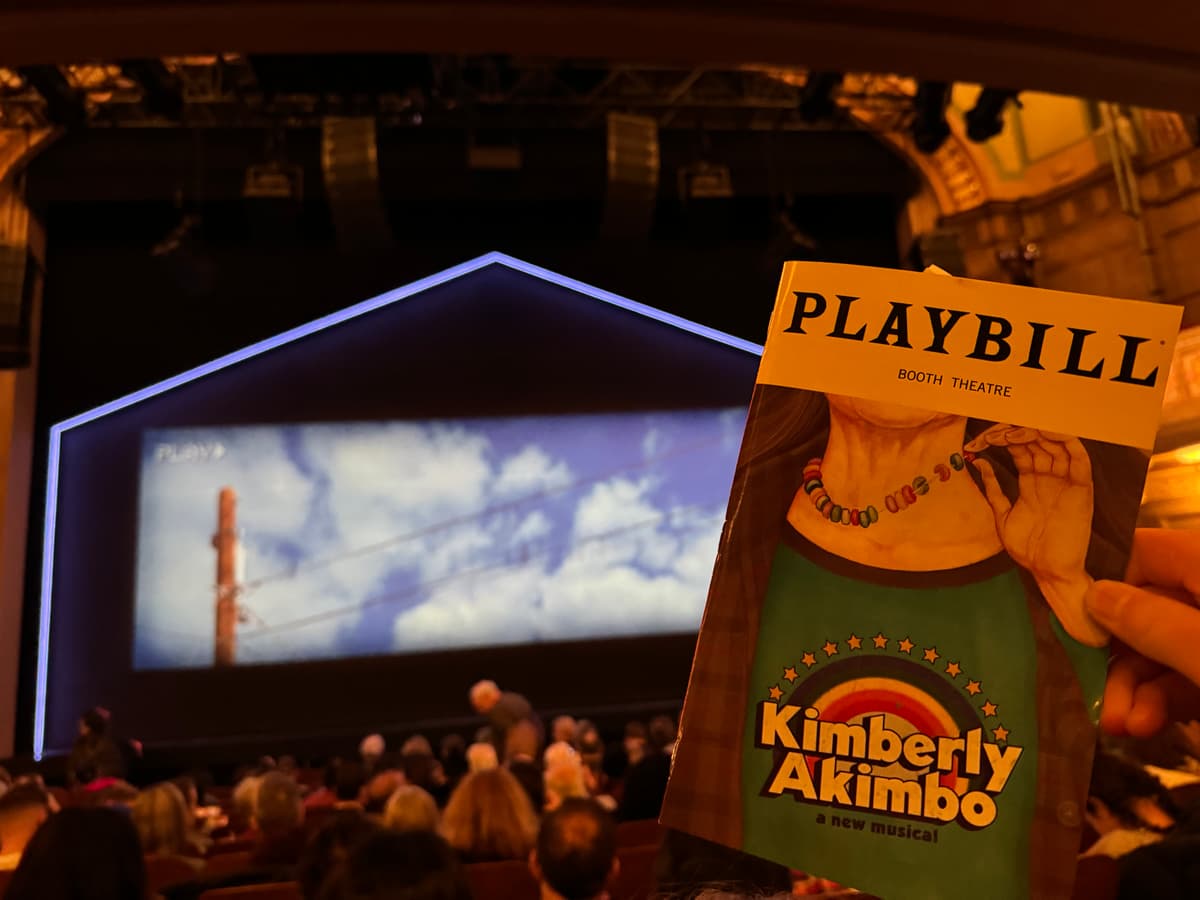
Kimberly Akimbo
2022
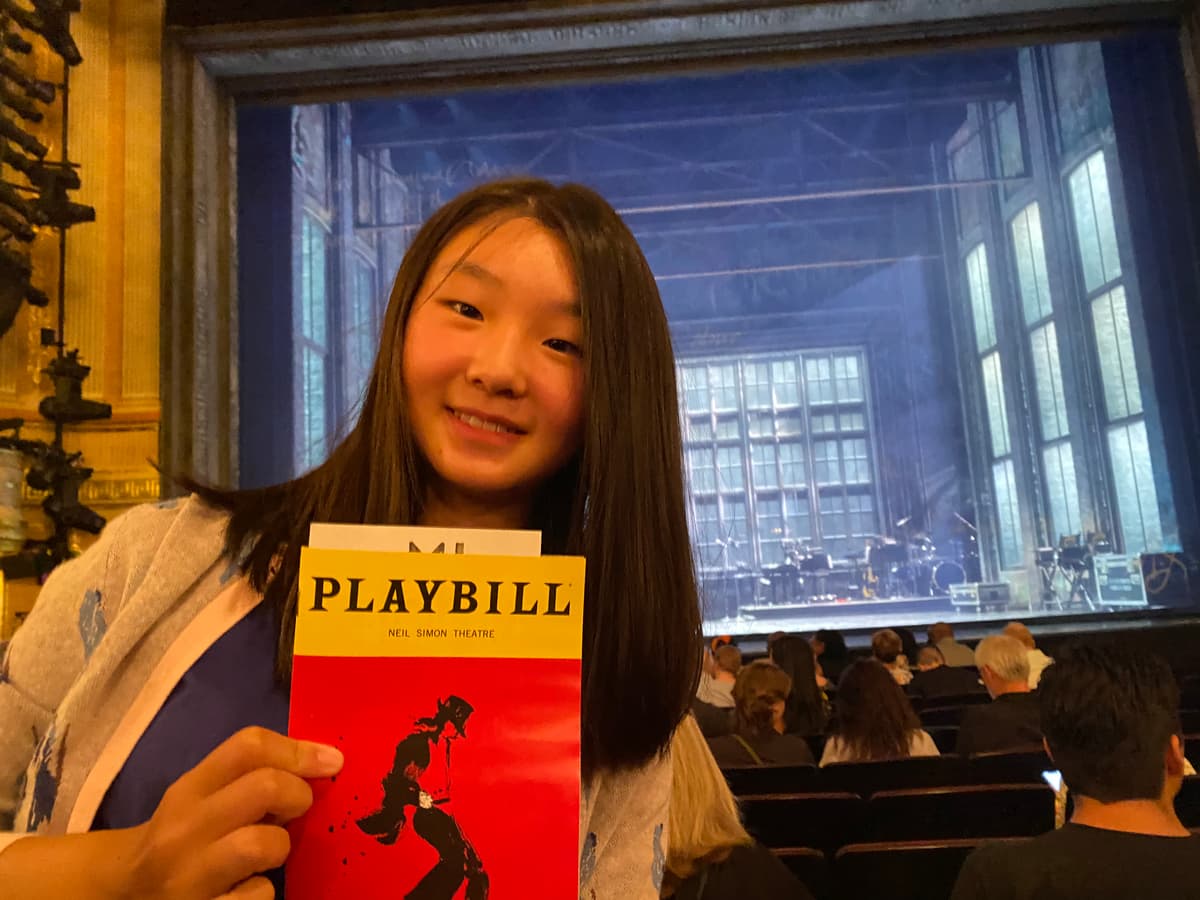
MJ
2022
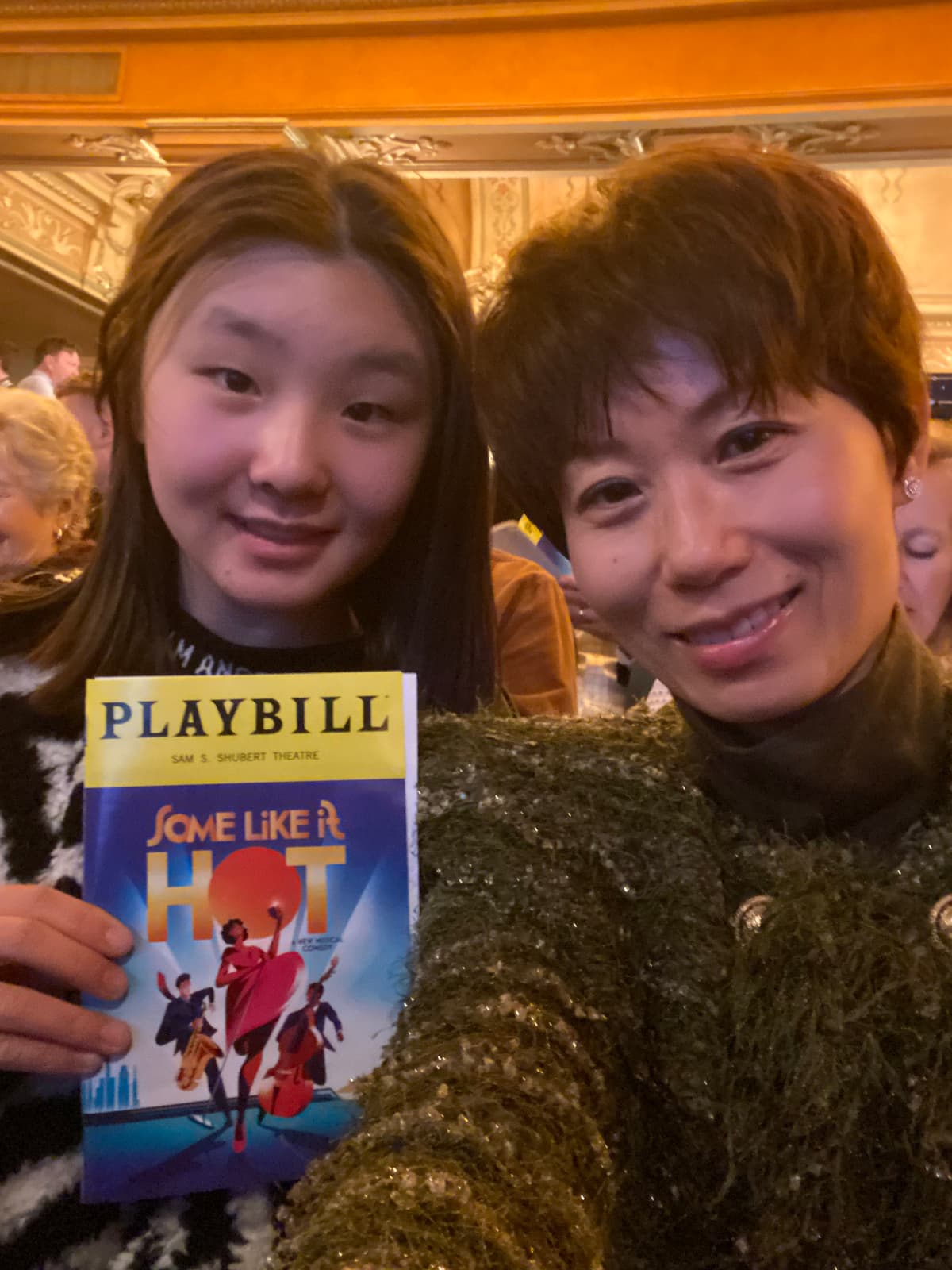
Some Like It Hot
2022
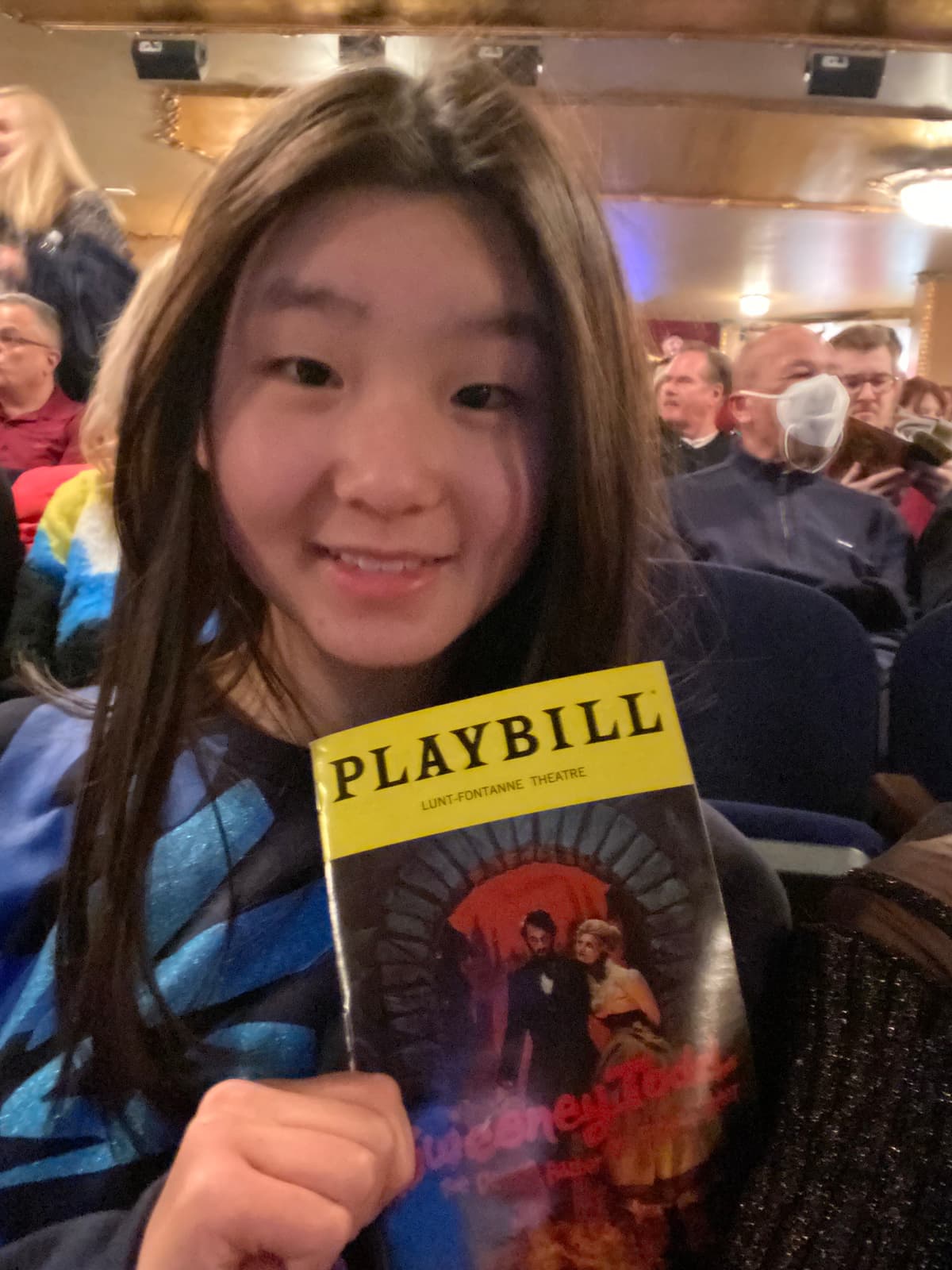
Sweeney Todd
2023 · revival
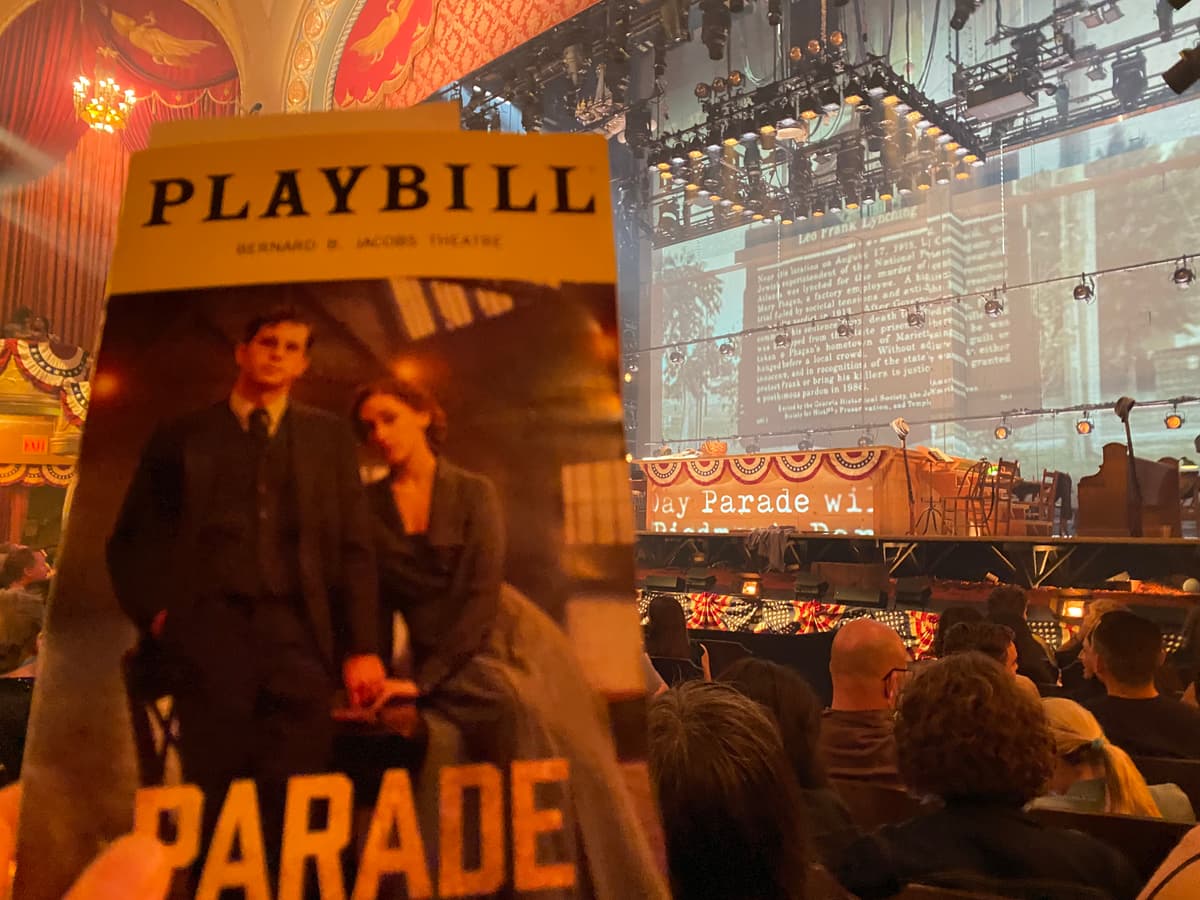
Parade
2023
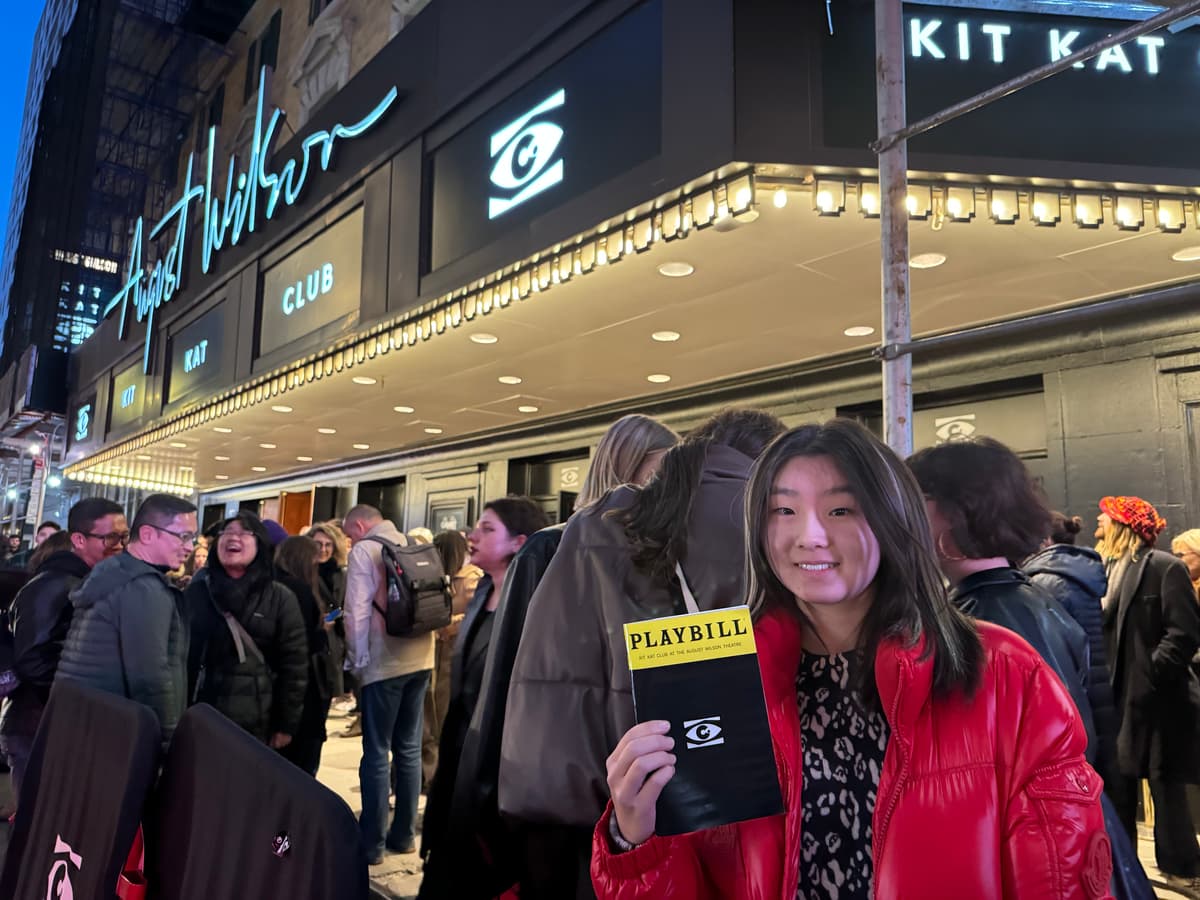
Cabaret
2024 · revival
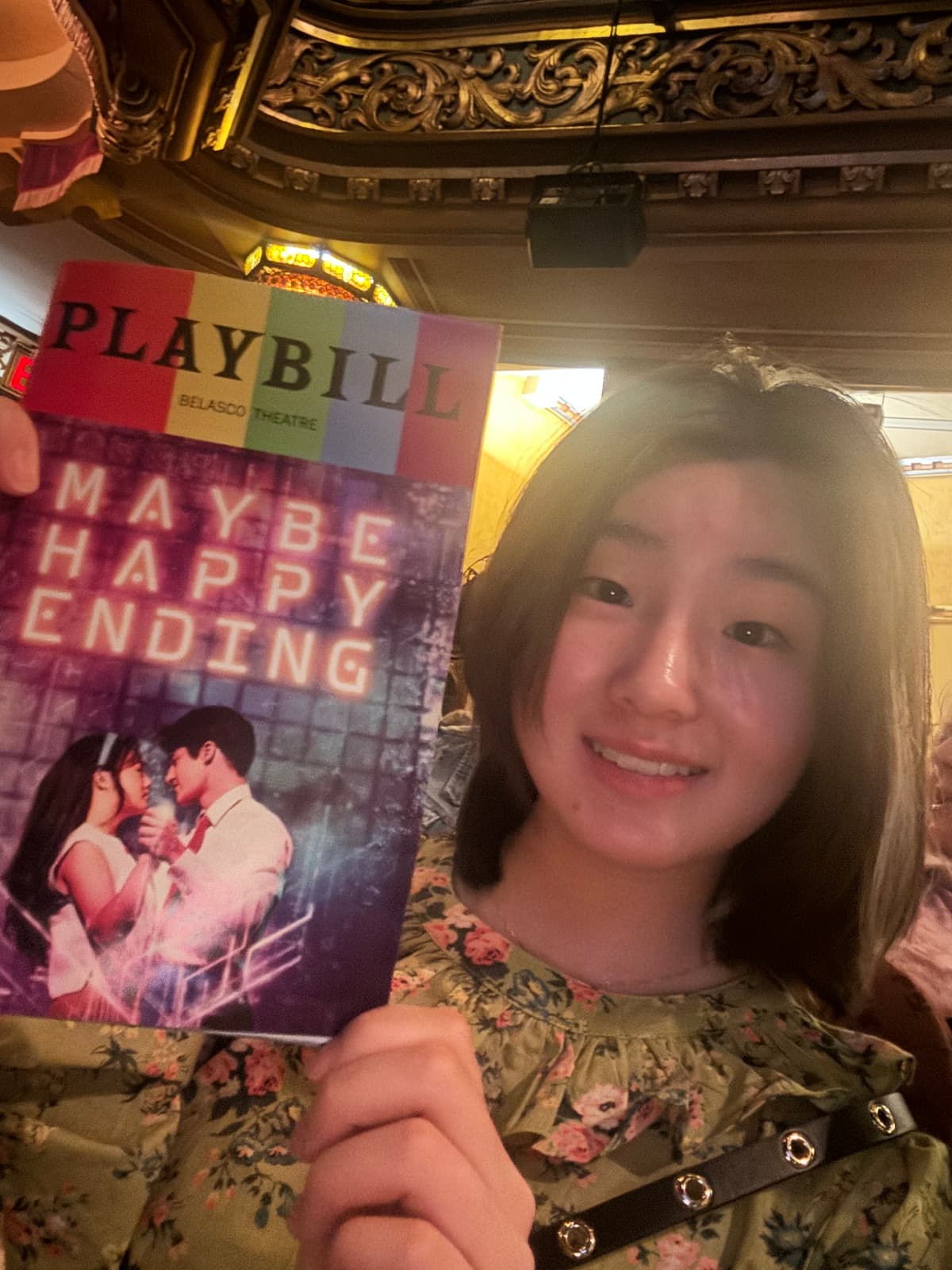
Maybe Happy Ending
2024
The Outsiders
2024
Gypsy
2025 · revival
Ragtime
2025 · revival
Sunset Boulevard
2025 · revival
Beyond the eighty
Also in the archive
These productions were attended too. They are not full exhibition cards, but they belong to the same nights in the theatre. The year is the staging I sat through; most of these photographs are from revivals.
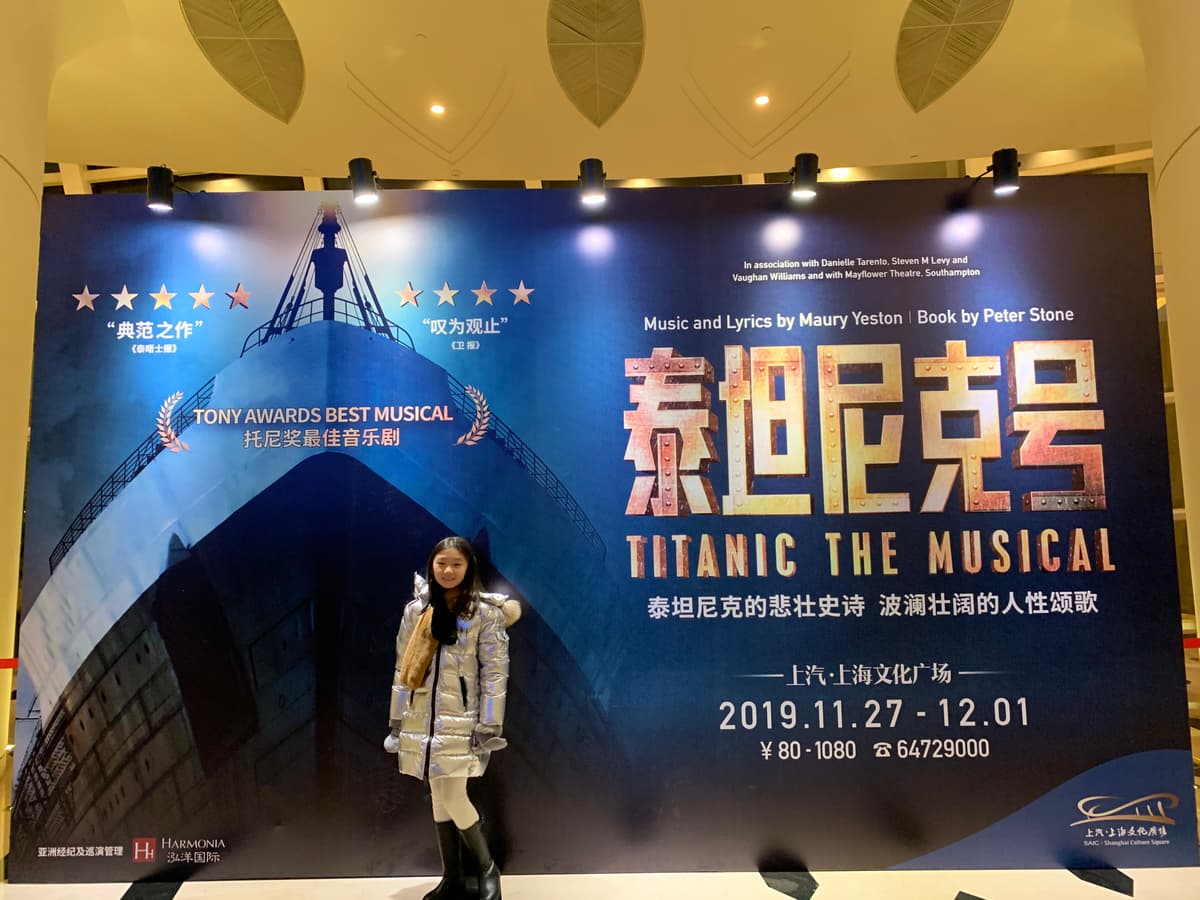
1997
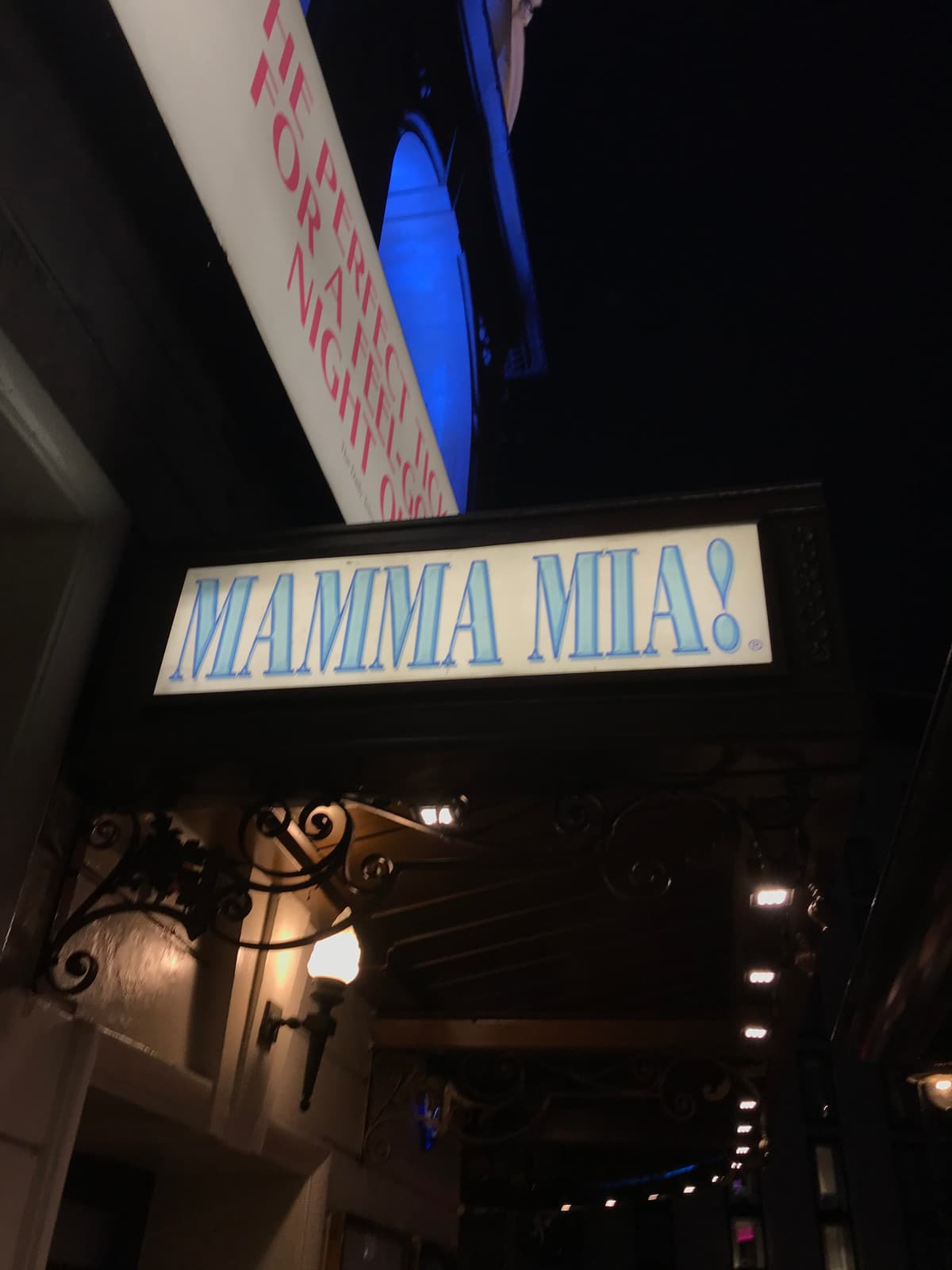
2001
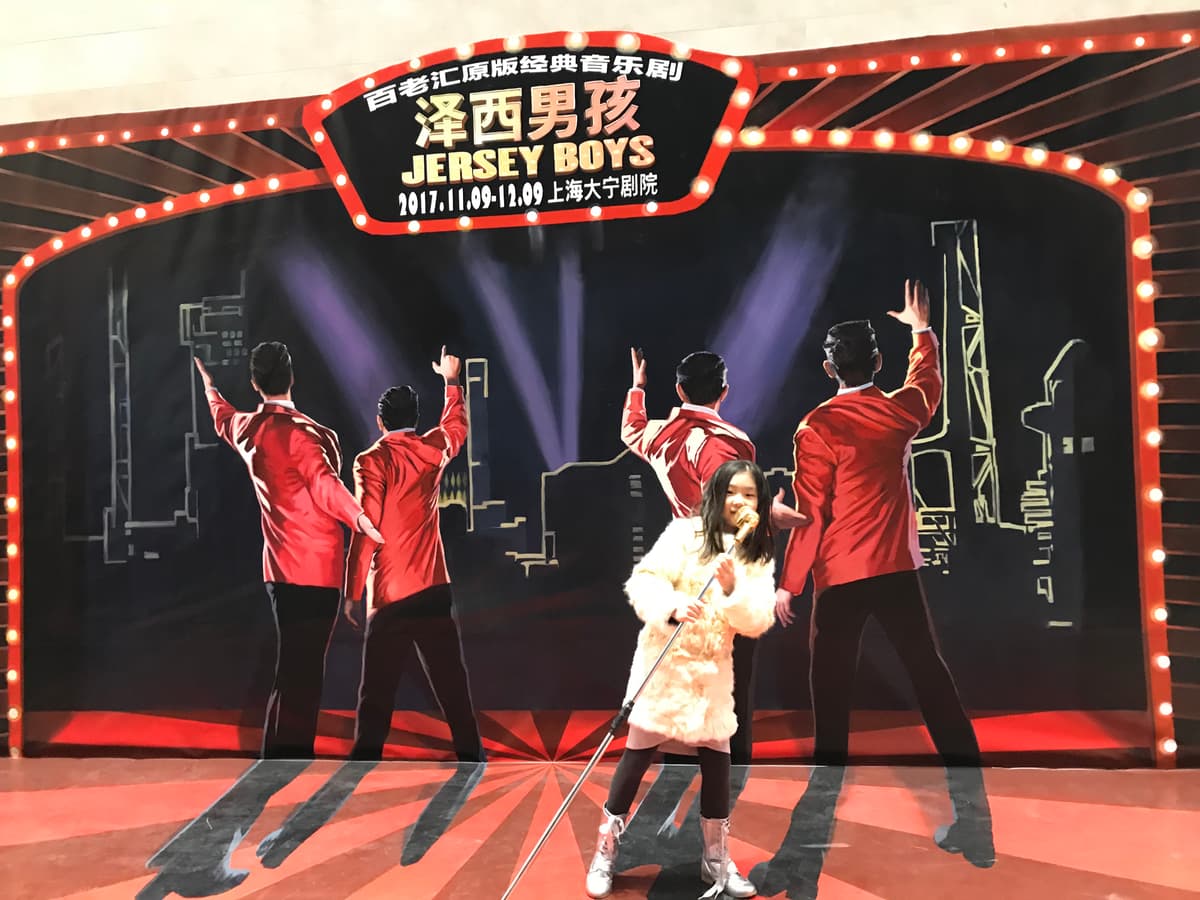
2005
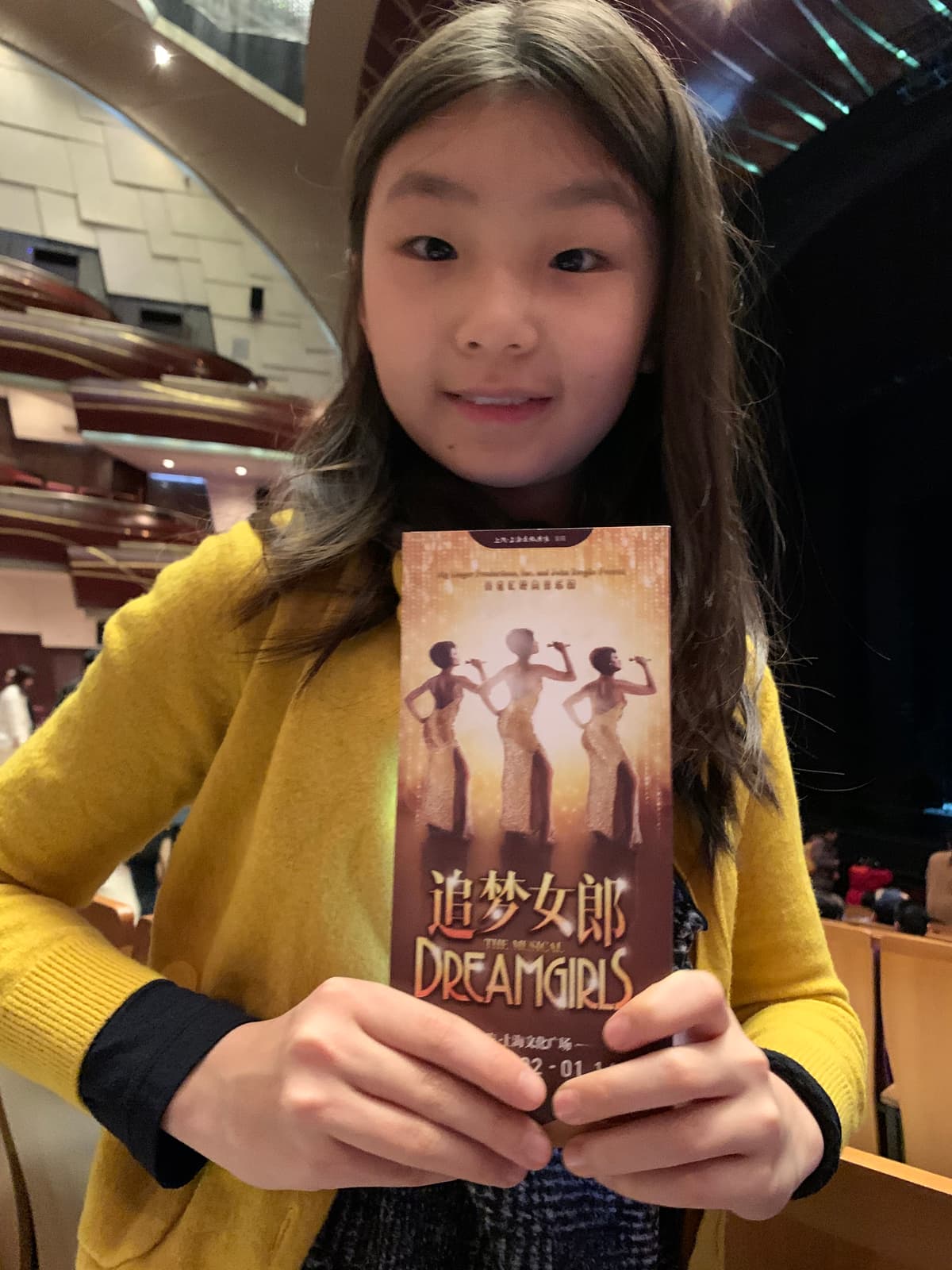
2009 · revival
2009
2011
2013 · revival
2013

2013
2014
2014
2015
2015
2016
2017
2017
2017
2017
2018
2018
2018
2018
2018
2018
2018
2019
2019 · revival
2019
2019
2019
2021
2022
2022 · revival
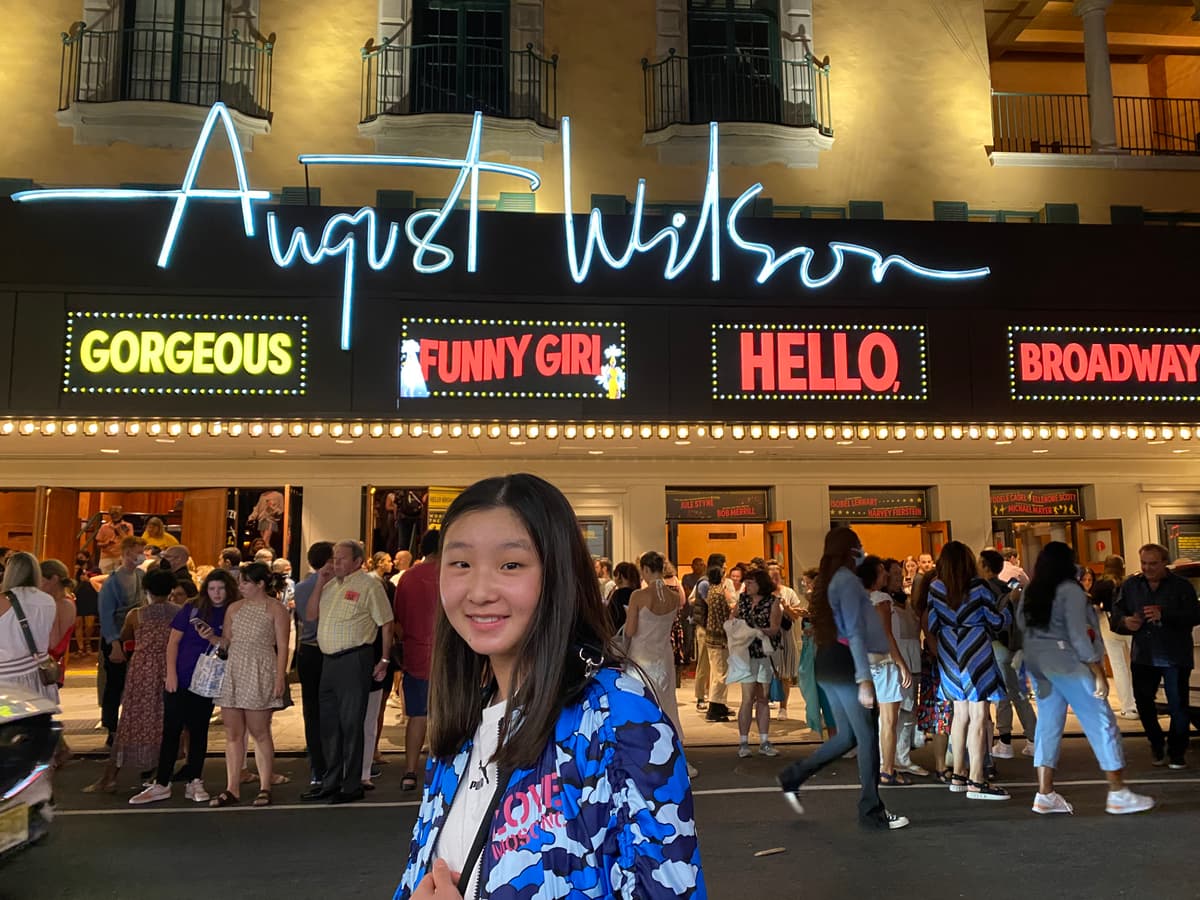
2022 · revival
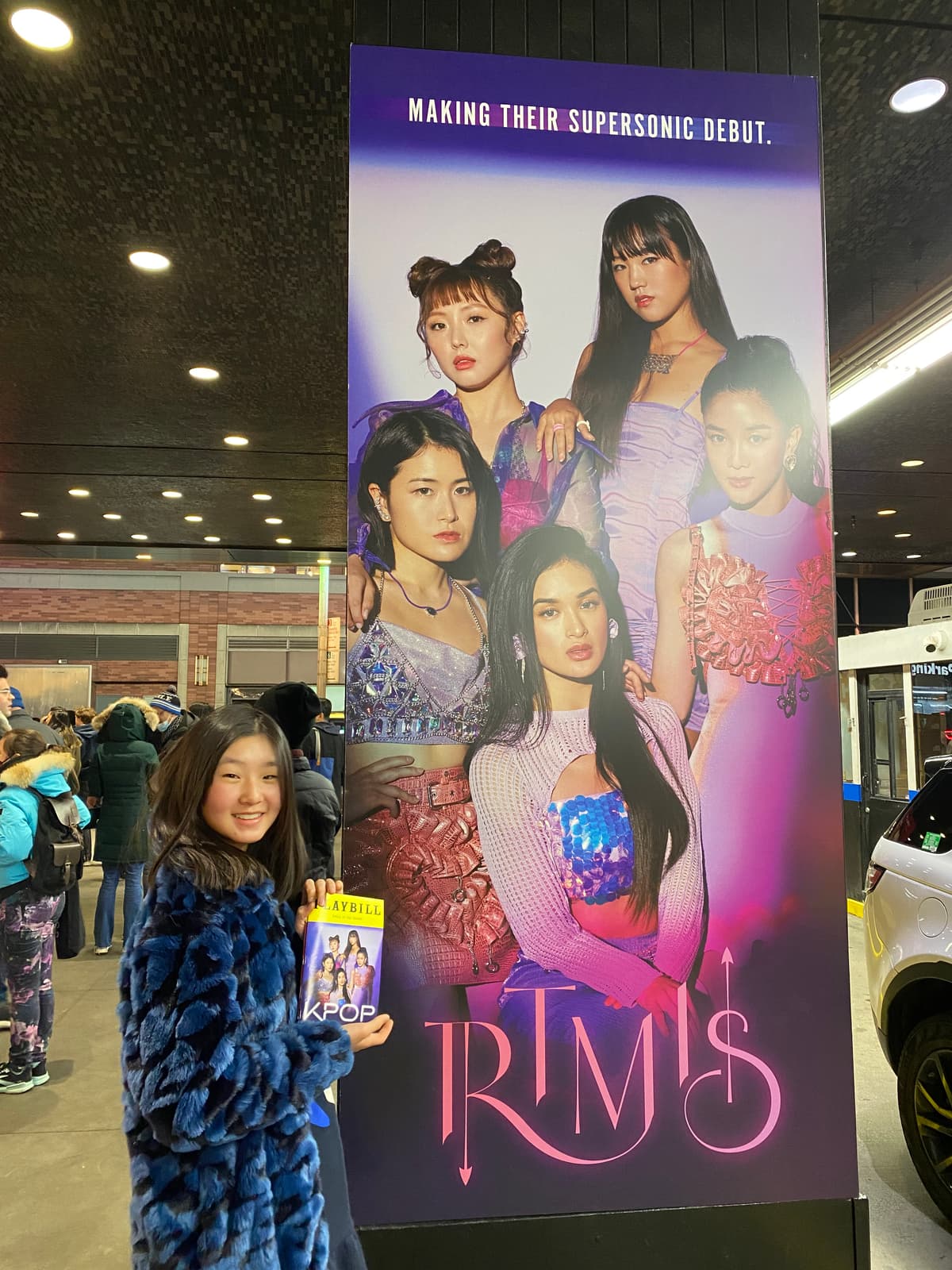
2022
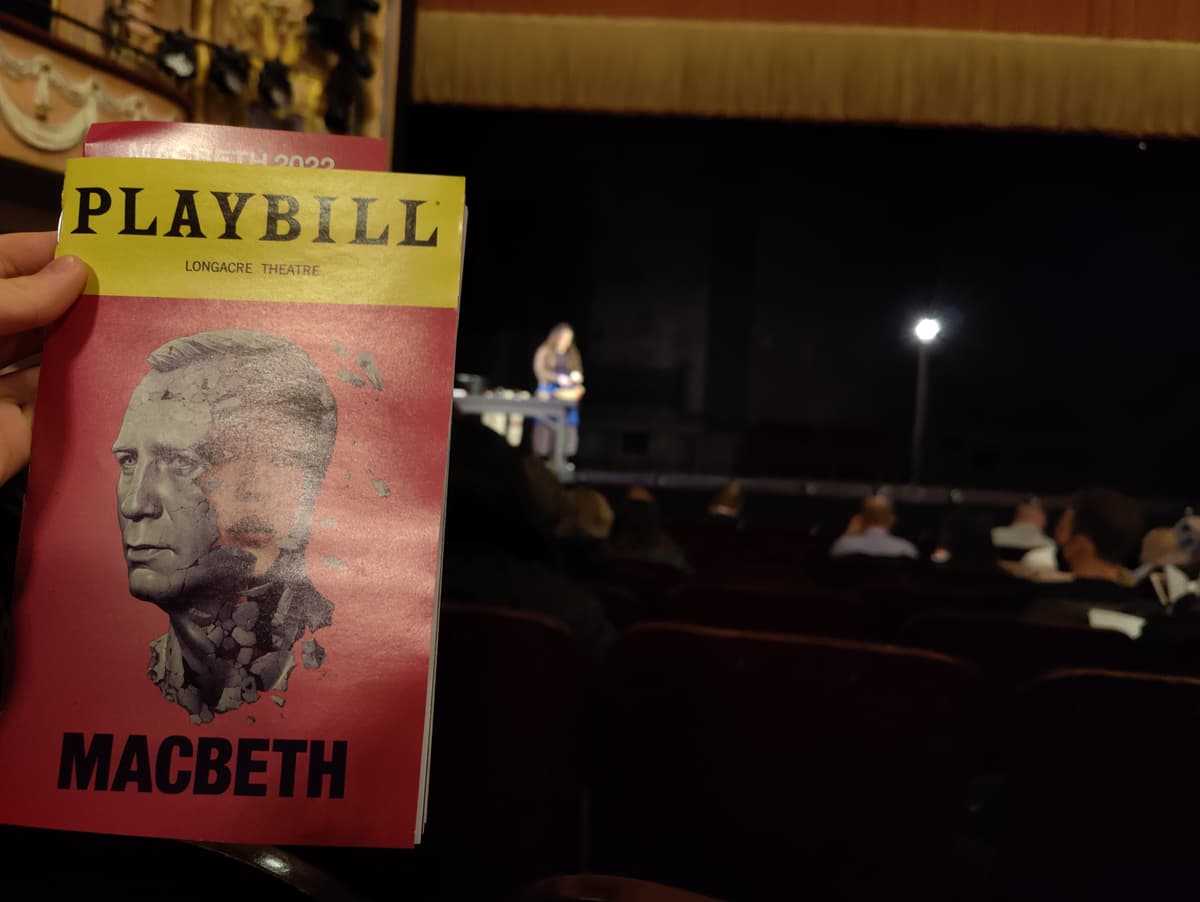
2022 · revival
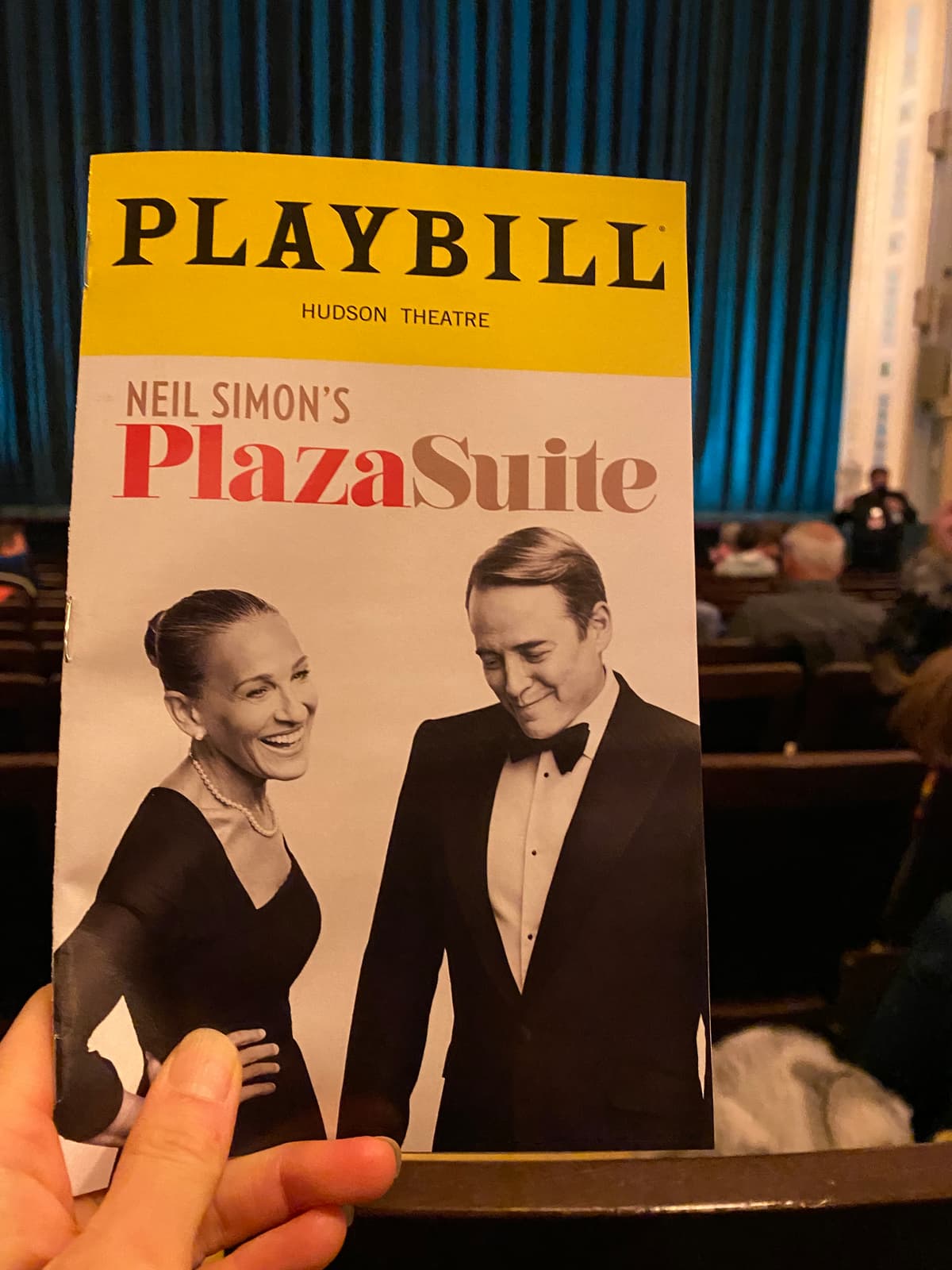
2022 · revival
2022 · revival
2022
2023
2023
2023
2023
2024
2024
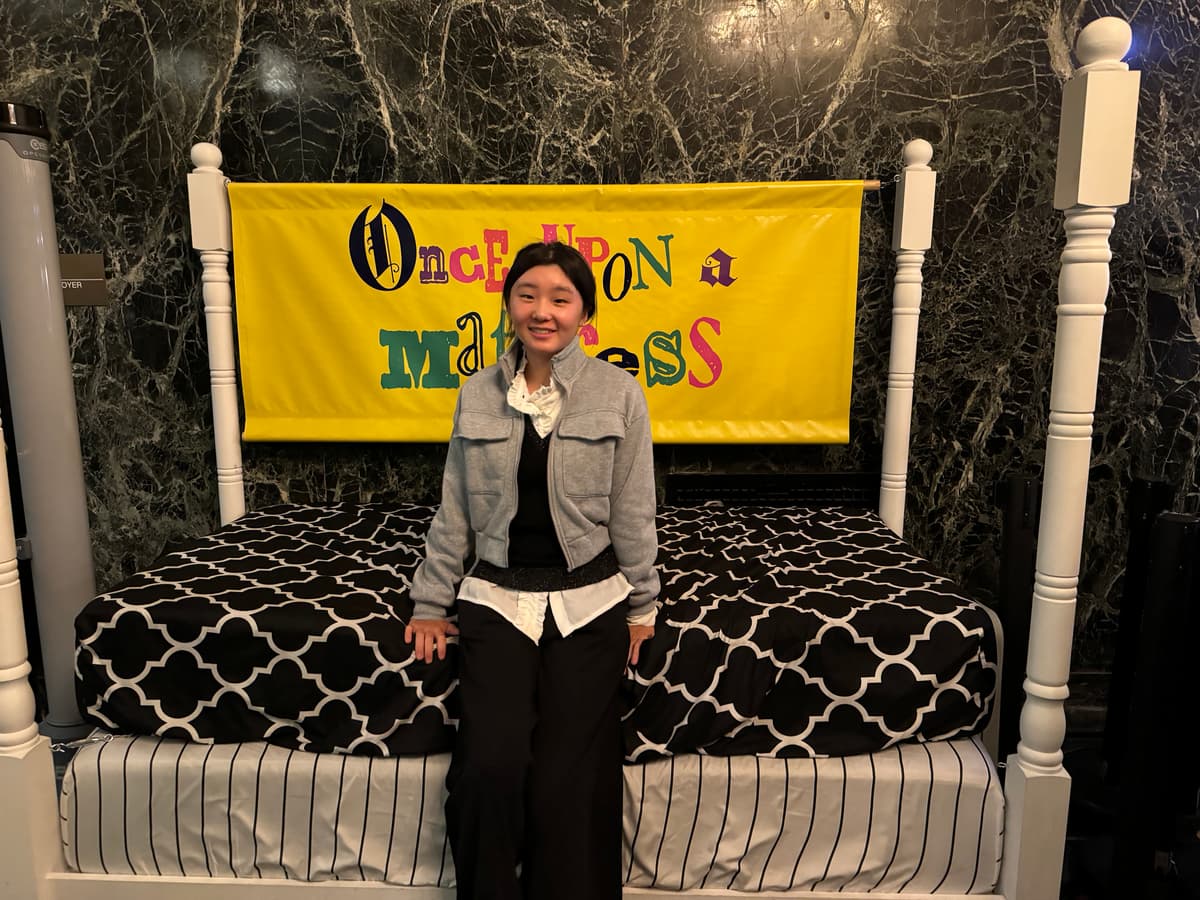
2024 · revival
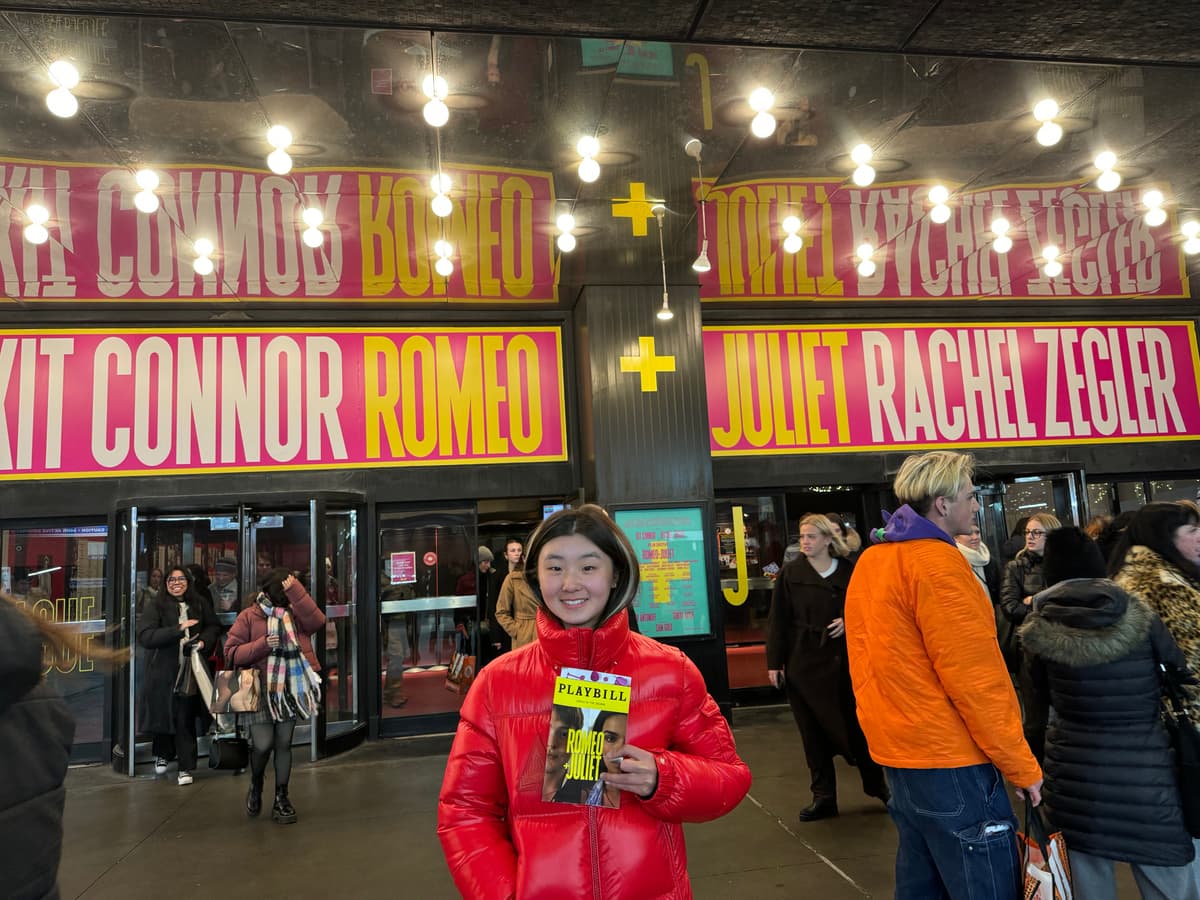
2024 · revival
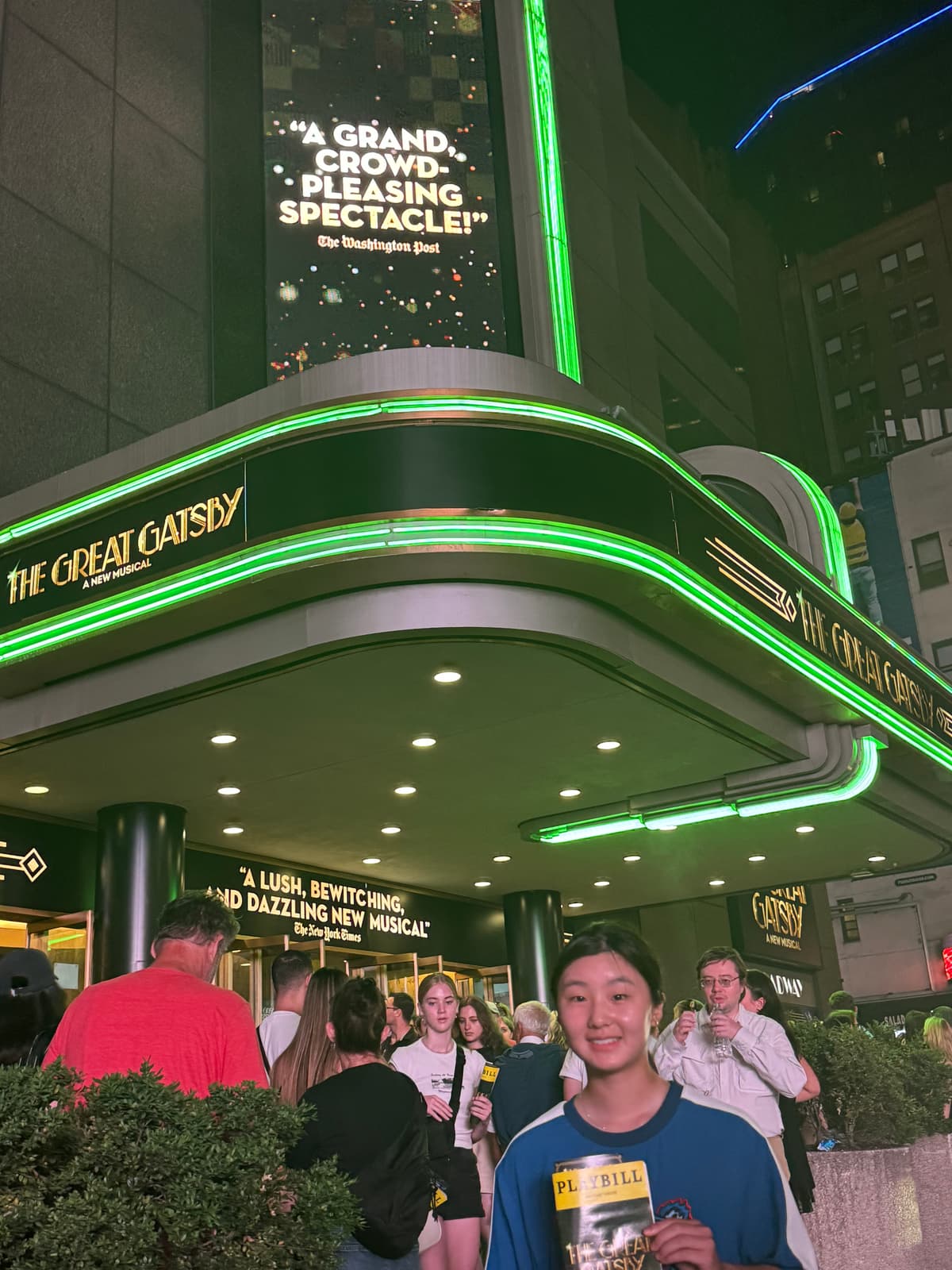
2024
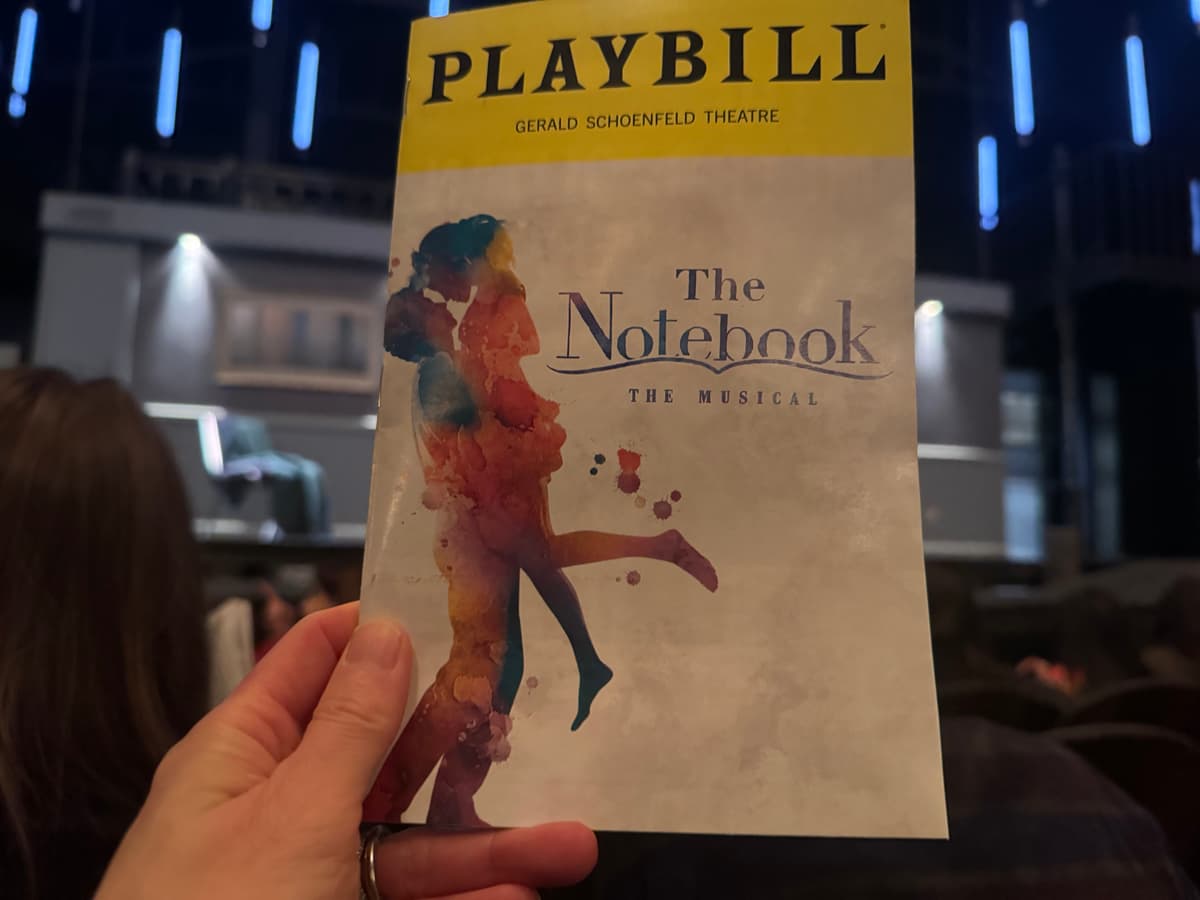
2024
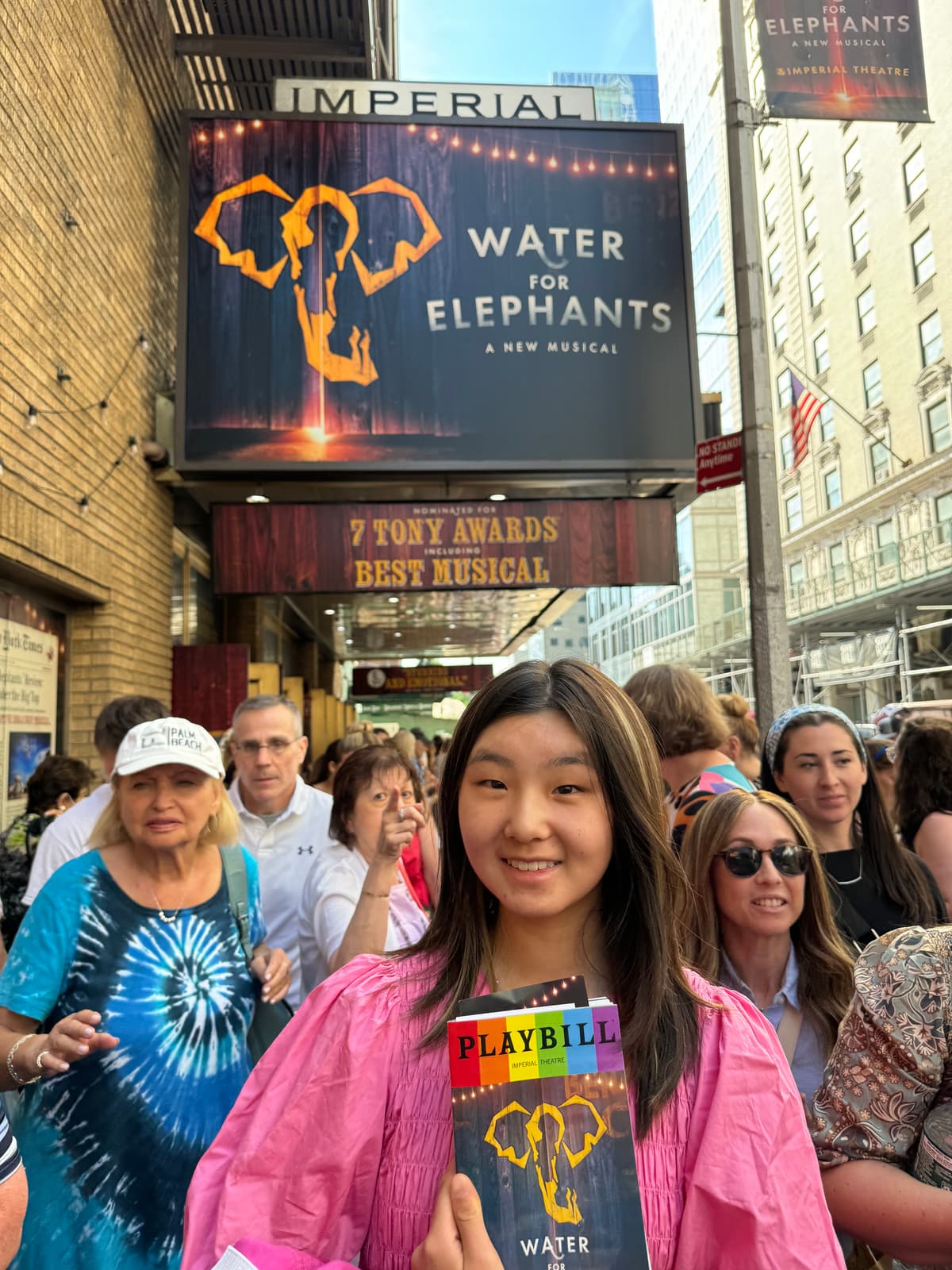
2024
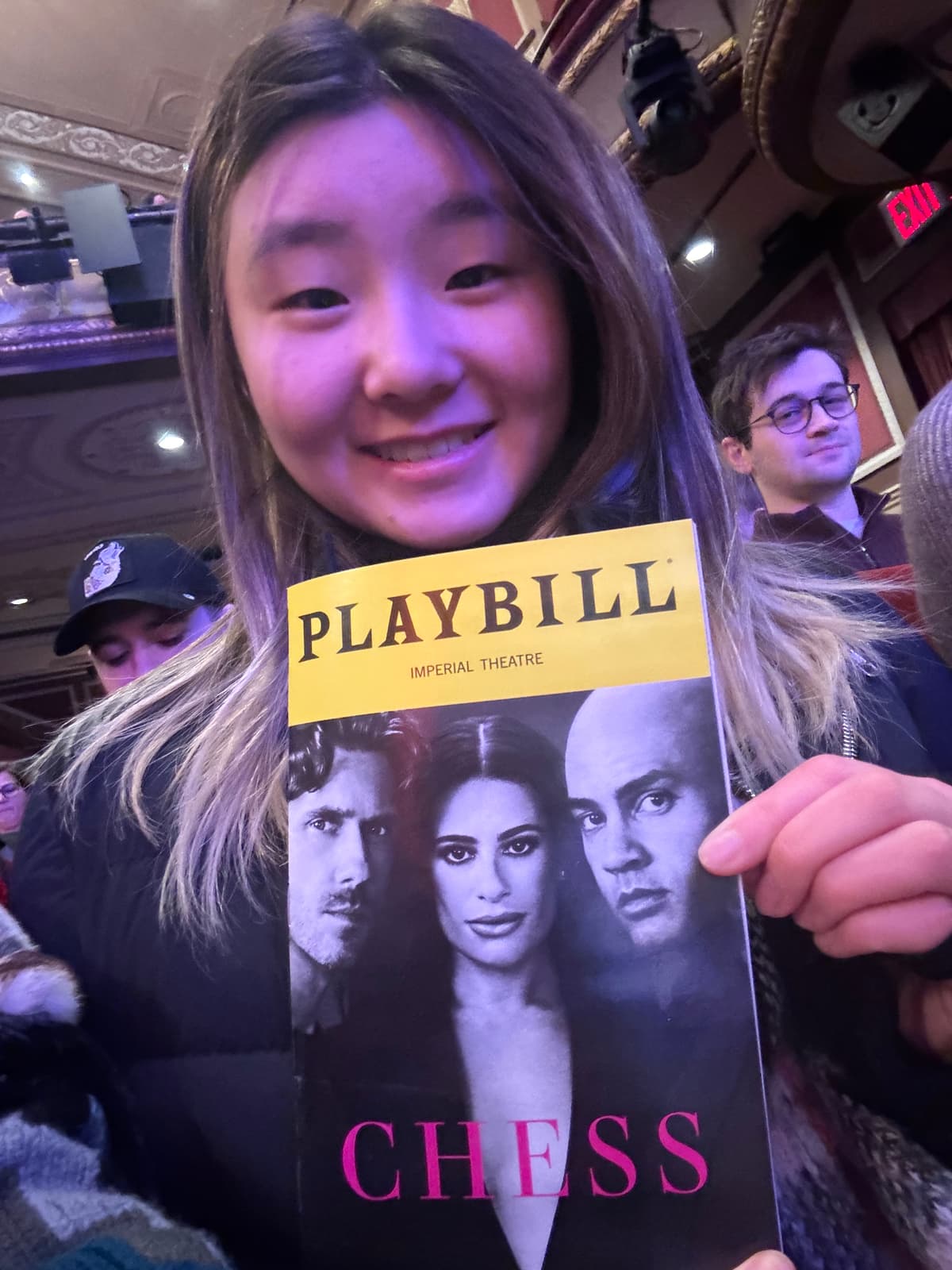
2025 · revival
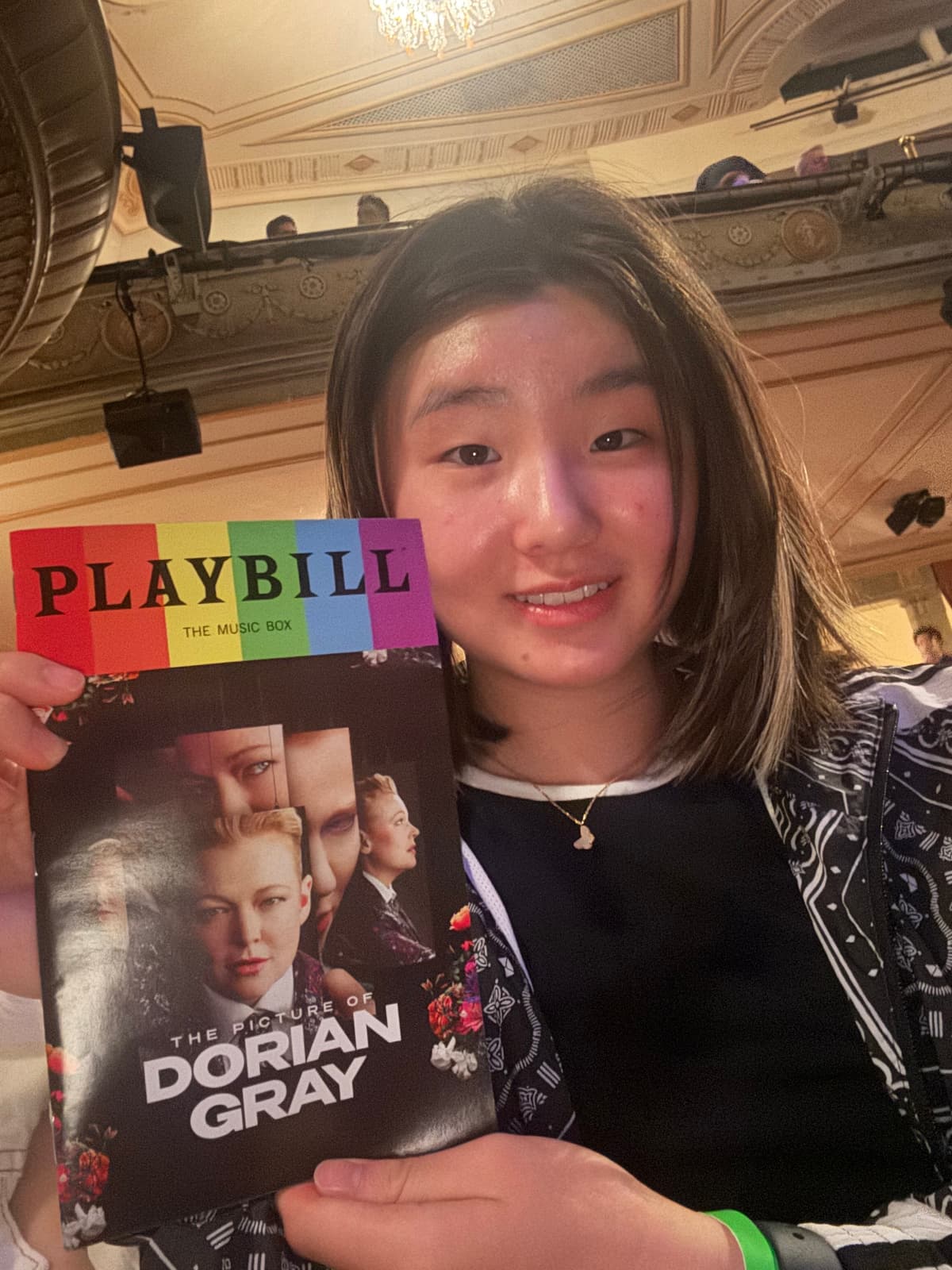
2025
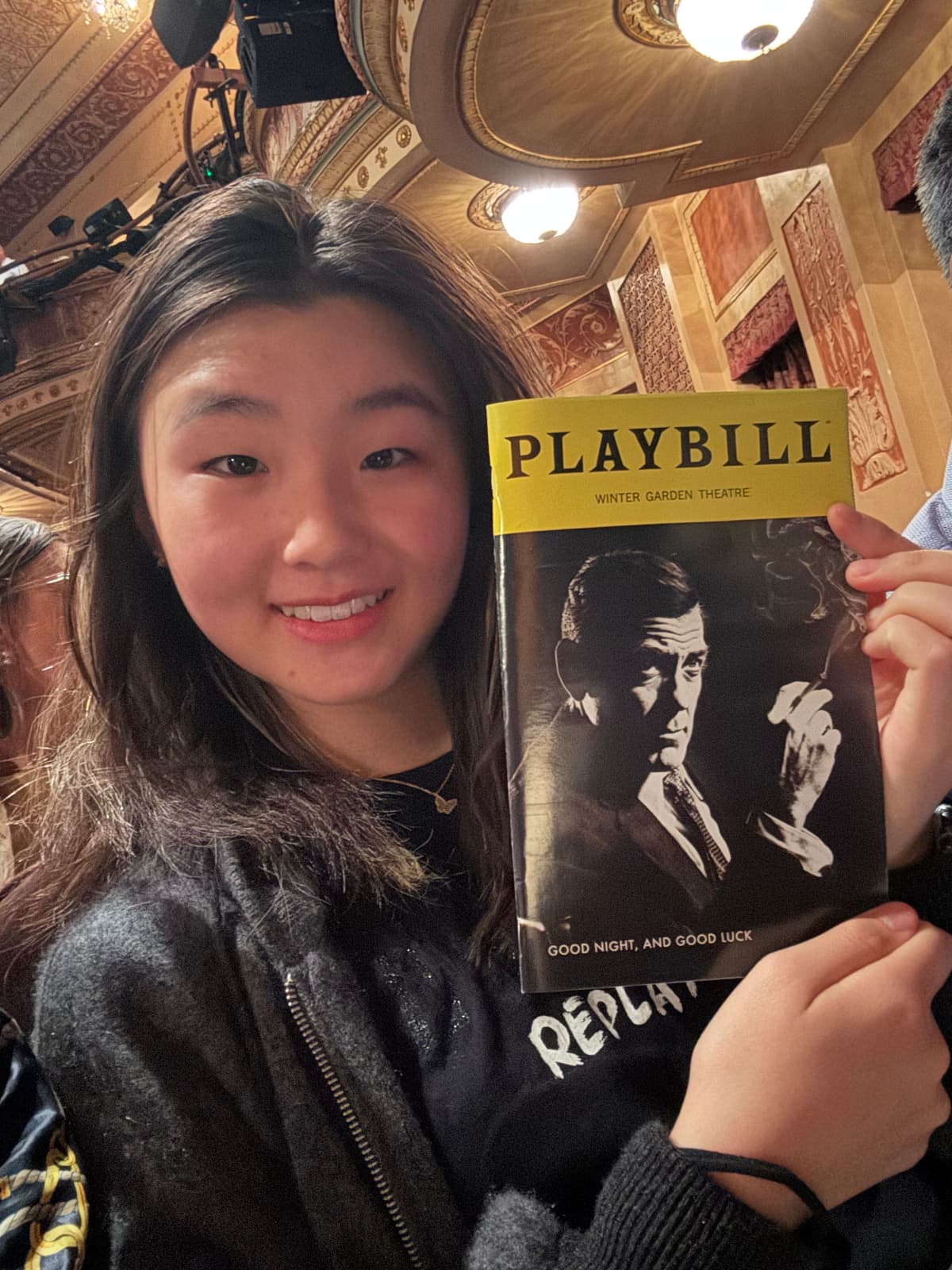
2025
2025 · revival
2025
2025
2025
2025 · revival
2026
2026
2026
2026 · revival
Gallery I · 1866–1942
Foundations of American Musical Theatre
From operetta and vaudeville to Show Boat, discover how Broadway developed its artistic identity and laid the groundwork for the modern musical.
Gallery II · 1943–1959
The Golden Age
Explore the era that established the integrated musical, where music, story, choreography, and character became inseparable.
Gallery III · 1960–1975
Broadway Grows Up
Follow Broadway as it embraced social change, political commentary, psychological realism, and increasingly ambitious storytelling.
Gallery IV · 1970–1991
Sondheim and the Expansion of the Musical
Examine how Stephen Sondheim transformed the possibilities of musical theatre through complexity, innovation, and emotional depth.
Gallery V · 1978–1995
The British Mega-Musical
Witness the rise of global productions that combined spectacular staging, technological innovation, and international commercial success.
Gallery VI · 1994–2006
Disney and the Broadway Renaissance
See how Broadway reached new generations through visually ambitious family productions while expanding the artistic possibilities of stagecraft.
Gallery VII · 1995–2010
New Voices, New Forms
Discover musicals that addressed contemporary social issues, experimented with new musical styles, and broadened whose stories were told.
Gallery VIII · 2011–2019
The New Broadway
Experience a decade when diverse creators, innovative storytelling, and digital culture reshaped the American musical.
Gallery IX · 2020–Present
Broadway Today
Instead of chronology alone, this gallery examines why certain new works and revivals became historically significant in the present.
Gallery X · Five themes
Broadway as Living History
Rather than focusing on individual productions, this gallery explores Broadway itself—as a record of American arguments about identity, power, and belonging.