Gallery VII · 1996
My Broadway
Rent
Music, Lyrics, and Book by Jonathan Larson · Loosely based on Giacomo Puccini’s La Bohème
Researched Original
Rent
1996 · Researched Original
Gallery VII · 1995–2010
Social Issues, Style, and Representation
Broadway no longer reflected a single America—it reflected many Americas.
While Disney helped restore Broadway's commercial vitality during the 1990s, another transformation was quietly taking place on its stages. A new generation of composers, lyricists, directors, and playwrights began redefining what a Broadway musical could sound like, whom it could represent, and which stories deserved to be told. Between 1996 and 2010, Broadway experienced one of its most creatively diverse periods since the Golden Age. Rather than following a single artistic style, musicals drew inspiration from rock, pop, hip-hop, folk, gospel, R&B, and contemporary classical music. Productions explored topics that earlier generations had rarely addressed, including HIV/AIDS, mental illness, immigration, sexuality, racial identity, adolescence, political polarization, and the pressures of modern life. The musical became an increasingly flexible medium capable of tackling both deeply personal stories and broader social issues. This era also reflected significant demographic and cultural changes within the United States. Immigration reshaped American cities, digital technology transformed communication, and younger audiences sought stories that reflected contemporary experiences rather than historical nostalgia. Broadway responded by expanding whose voices were represented on stage—not only through more diverse casts, but through creators who brought new cultural perspectives, musical influences, and storytelling traditions to the theatre. Several productions fundamentally changed Broadway's artistic direction. Rent introduced a new generation to rock musical theatre while addressing the AIDS epidemic with urgency and compassion. The Producers demonstrated that large-scale musical comedy could still become a cultural phenomenon. Wicked reimagined a familiar story through the perspective of an outsider, becoming one of Broadway's most successful original musicals. Spring Awakening challenged conventions through its fusion of nineteenth-century drama and contemporary rock music, while In the Heights brought Latino communities and hip-hop influences to the center of Broadway storytelling. At the same time, Broadway increasingly balanced commercial success with artistic experimentation. Productions no longer fit neatly into traditional categories of comedy, drama, or spectacle. Instead, they combined multiple musical styles, narrative structures, and theatrical techniques, reflecting the growing diversity of American culture itself. Looking back, this period laid the creative foundation for many of Broadway's defining works of the twenty-first century. The artistic risks taken during these years made possible the innovations that would soon culminate in productions such as Hamilton and Hadestown.
As you explore Gallery VII, consider how Broadway evolved alongside a changing America: - The emergence of rock, pop, hip-hop, folk, and contemporary music on Broadway - Greater representation of diverse communities, cultures, and identities - Musicals confronting modern social issues, including HIV/AIDS, immigration, mental health, and inequality - The growing influence of younger creators and audiences - The blending of commercial success with artistic experimentation - Broadway's transition into a more globally connected and culturally diverse art form
Featured exhibition cards
Personal Playbills mark nights I attended. “Attended Revival” means the photograph is from a later staging, not the original production on the card. Exhibition posters mark works I did not see. Official Playbill covers are not used.
Gallery VII · 1996
My Broadway
Music, Lyrics, and Book by Jonathan Larson · Loosely based on Giacomo Puccini’s La Bohème
Researched Original
Rent
1996 · Researched Original
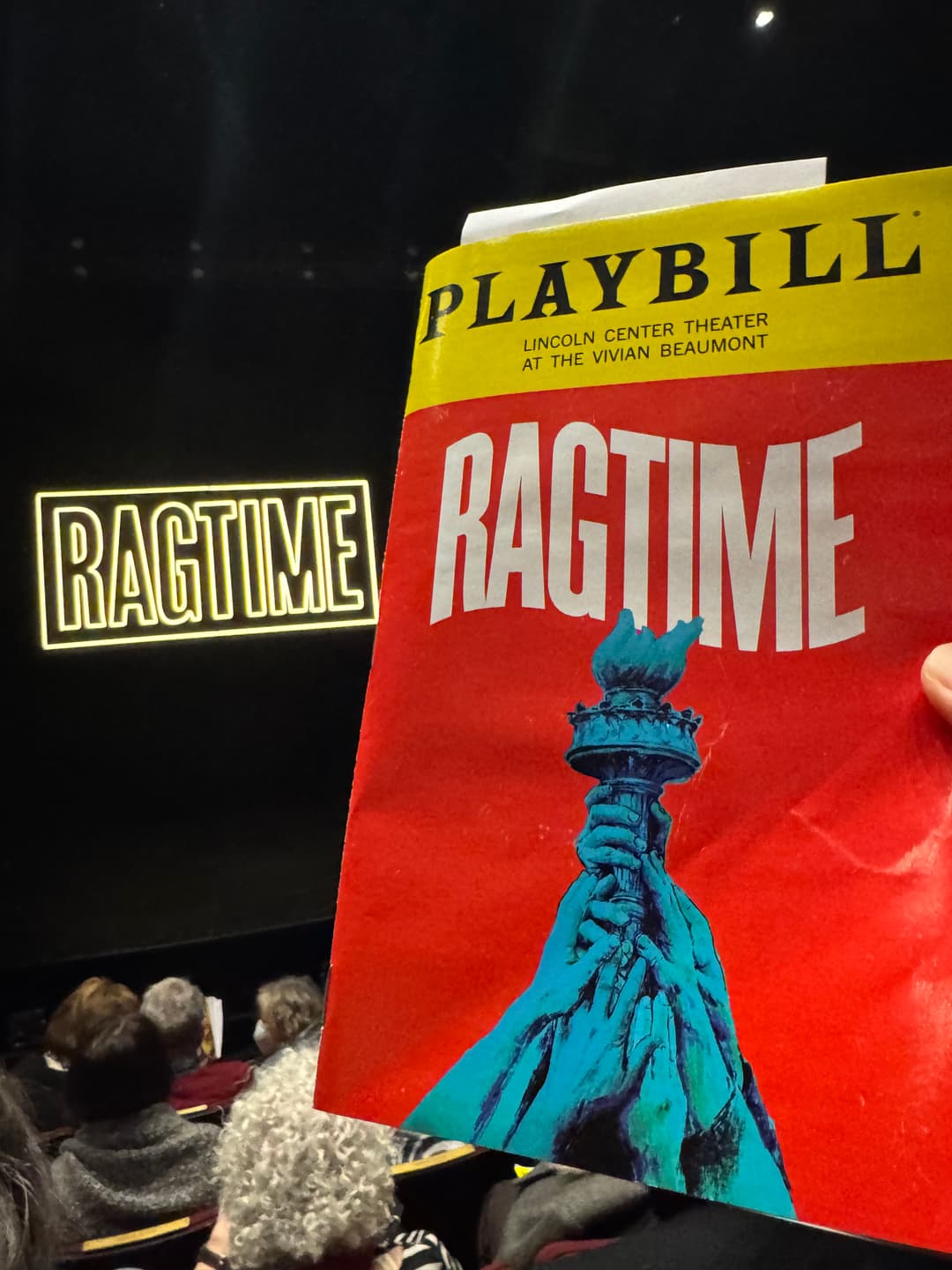
Ragtime
1998 · Attended Revival
Gallery VII · 2001
My Broadway
Music and Lyrics by Mel Brooks · Book by Mel Brooks and Thomas Meehan
Researched Original
The Producers
2001 · Researched Original
Gallery VII · 2002
My Broadway
Music by Marc Shaiman · Lyrics by Scott Wittman and Marc Shaiman
Researched Original
Hairspray
2002 · Researched Original
Gallery VII · 2003
My Broadway
Music and Lyrics by Robert Lopez and Jeff Marx · Book by Jeff Whitty
Researched Original
Avenue Q
2003 · Researched Original
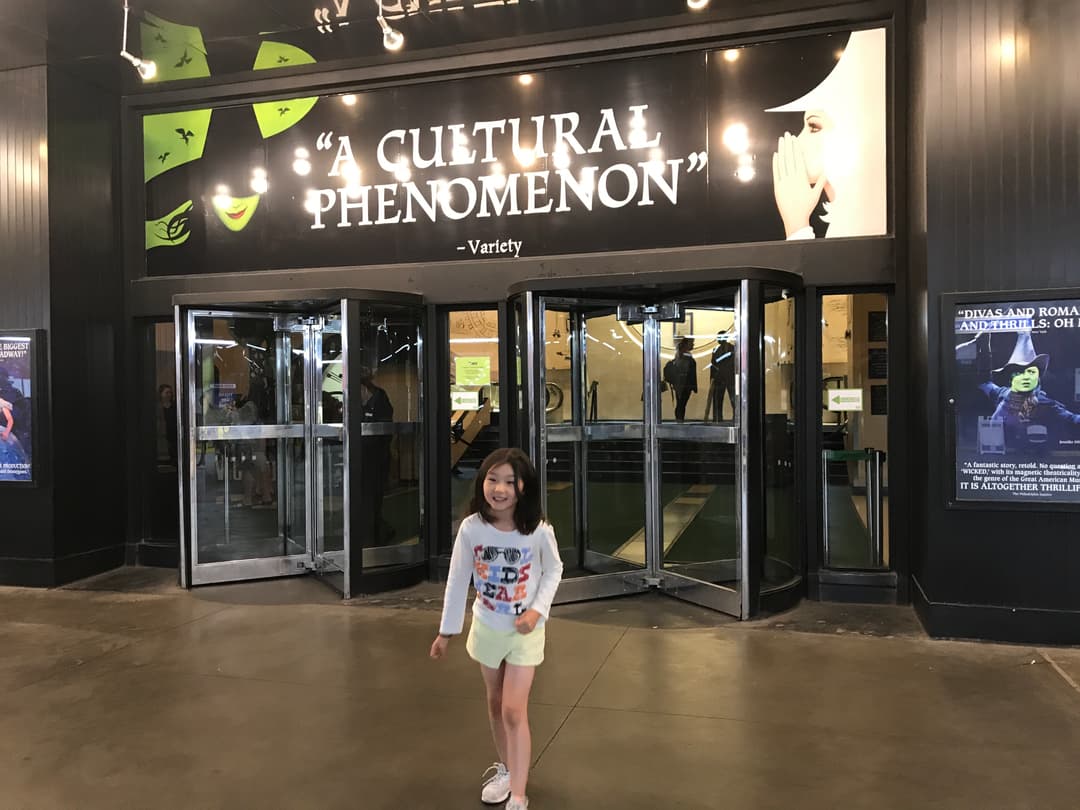
Wicked
2003 · Attended Original
Gallery VII · 2005
My Broadway
Music by John Du Prez and Eric Idle · Lyrics by Eric Idle
Researched Original
Spamalot
2005 · Researched Original
Gallery VII · 2006
My Broadway
Music by Duncan Sheik · Book and Lyrics by Steven Sater
Researched Original
Spring Awakening
2006 · Researched Original
Gallery VII · 2008
My Broadway
Music by Elton John · Book and Lyrics by Lee Hall
Researched Original
Billy Elliot
2008 · Researched Original
Gallery VII · 2008
My Broadway
Music and Lyrics by Lin-Manuel Miranda · Book by Quiara Alegría Hudes
Researched Original
In the Heights
2008 · Researched Original
Gallery VII · 2009
My Broadway
Music by Tom Kitt · Book and Lyrics by Brian Yorkey
Researched Original
Next to Normal
2009 · Researched Original