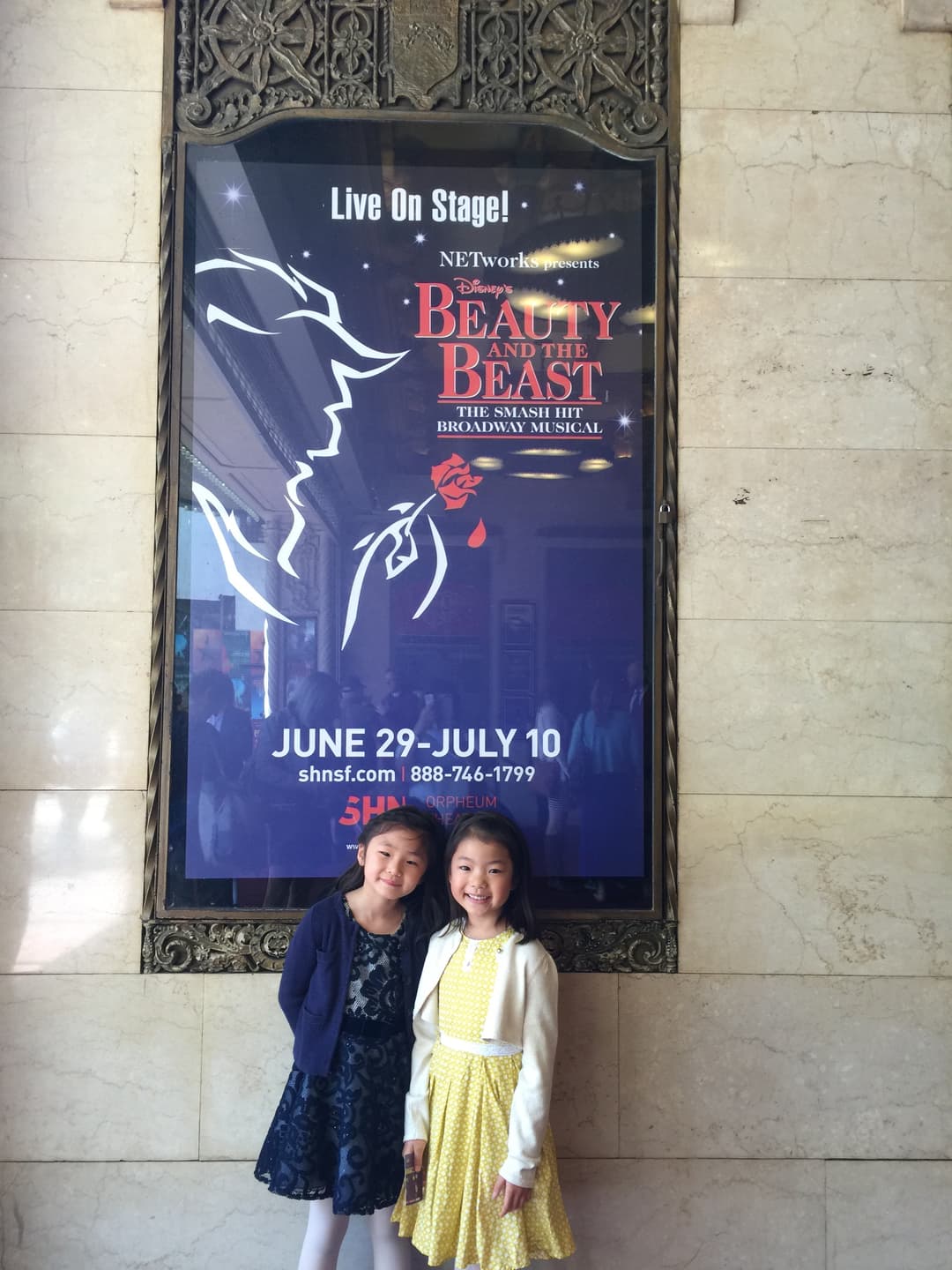
Beauty and the Beast
1994 · Attended Original
Gallery VI · 1994–2006
Family Audiences and Stagecraft
Broadway was no longer just preserving tradition—it was reinventing itself for a new generation.
By the early 1990s, Broadway faced an uncertain future. Attendance had declined, production costs continued to rise, and many questioned whether live musical theatre could compete with film, television, and emerging forms of entertainment. At the same time, Times Square—long associated with Broadway—was undergoing one of the largest urban redevelopment projects in New York City's history. The turning point came in 1994 with Disney's stage adaptation of Beauty and the Beast. More than simply bringing an animated film to the theatre, Disney demonstrated that Broadway could attract families, tourists, and younger audiences while maintaining high artistic standards. The success of Beauty and the Beast marked the beginning of a new era in which Broadway embraced large-scale visual storytelling, corporate investment, and cross-generational appeal. Disney's influence extended far beyond individual productions. The company became a major force in the revitalization of New Amsterdam Theatre and the surrounding Times Square district, helping transform Broadway into one of New York City's most vibrant cultural and economic centers. Broadway became increasingly accessible to international visitors, school groups, and families, expanding its audience on an unprecedented scale.
This period also witnessed extraordinary advances in theatrical design. Productions combined traditional craftsmanship with new technologies in puppetry, scenic engineering, projection, costume design, and stage automation. Rather than relying solely on spectacle, many creative teams sought innovative ways to translate cinematic storytelling into a uniquely theatrical experience. No production better exemplified this achievement than The Lion King (1997). Directed by Julie Taymor, the musical rejected literal realism in favor of highly stylized puppetry, masks, and visual symbolism inspired by African artistic traditions. Rather than attempting to replicate the animated film, Taymor embraced the strengths of live theatre, creating one of the most visually innovative productions in Broadway history. Her work demonstrated that commercial success and artistic innovation could coexist, earning widespread critical acclaim and establishing a new standard for theatrical design. At the same time, Broadway continued to diversify artistically. While Disney productions dominated the commercial landscape, composers and writers explored new musical styles, increasingly multicultural narratives, and more contemporary themes. The foundations laid during this period would soon support a new generation of creators who expanded Broadway beyond its traditional boundaries. The Broadway Renaissance was therefore about more than Disney. It represented the successful reinvention of Broadway itself—an industry that adapted to changing audiences while preserving the power of live performance.
As you explore Gallery VI, consider how Broadway entered the twenty-first century: - The revitalization of Broadway and Times Square during the 1990s - Disney's role in expanding Broadway's audience and commercial success - The adaptation of animated films into live theatrical productions - Innovations in puppetry, costume design, scenic engineering, and visual storytelling - The growing influence of global tourism on Broadway - The balance between commercial entertainment and artistic creativity
Featured exhibition cards
Personal Playbills mark nights I attended. “Attended Revival” means the photograph is from a later staging, not the original production on the card. Exhibition posters mark works I did not see. Official Playbill covers are not used.
Beauty and the Beast
1994 · Attended Original
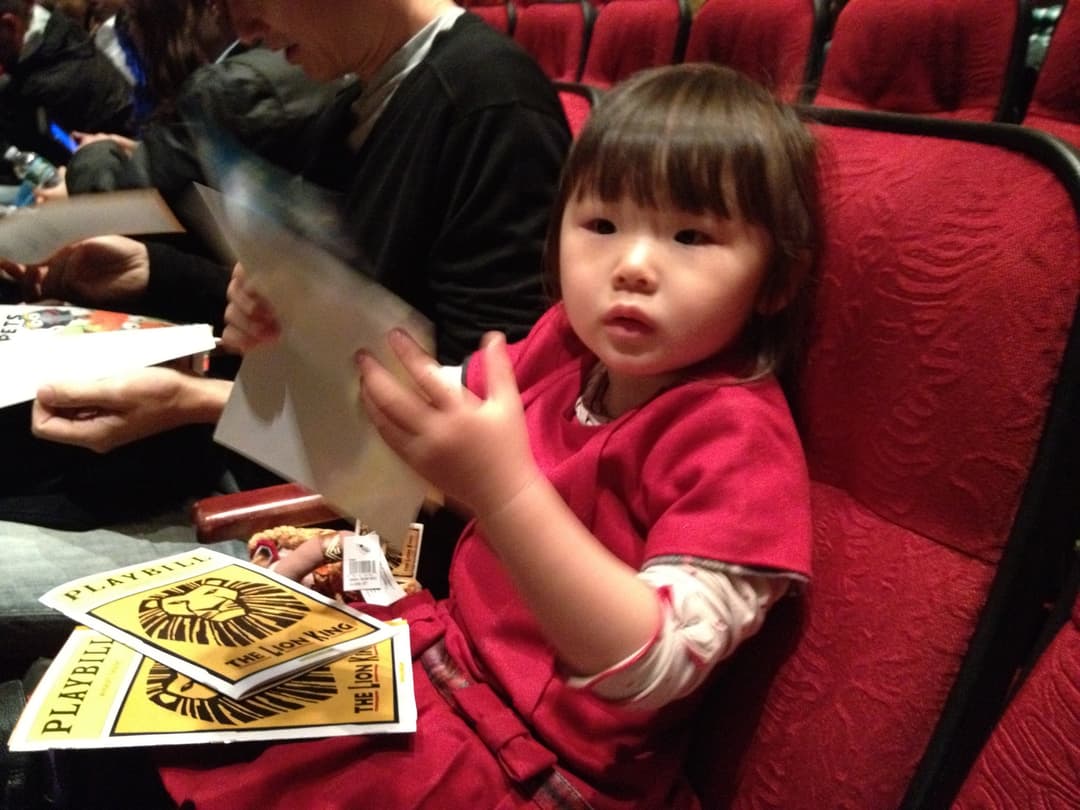
The Lion King
1997 · Attended Original
Gallery VI · 2000
My Broadway
Music by Elton John · Lyrics by Tim Rice
Researched Original
Aida
2000 · Researched Original
Gallery VI · 2006
My Broadway
Music and Lyrics by Richard M. Sherman and Robert B. Sherman · New Songs and Additional Music and Lyrics by George Stiles and Anthony Drewe
Researched Original
Mary Poppins
2006 · Researched Original