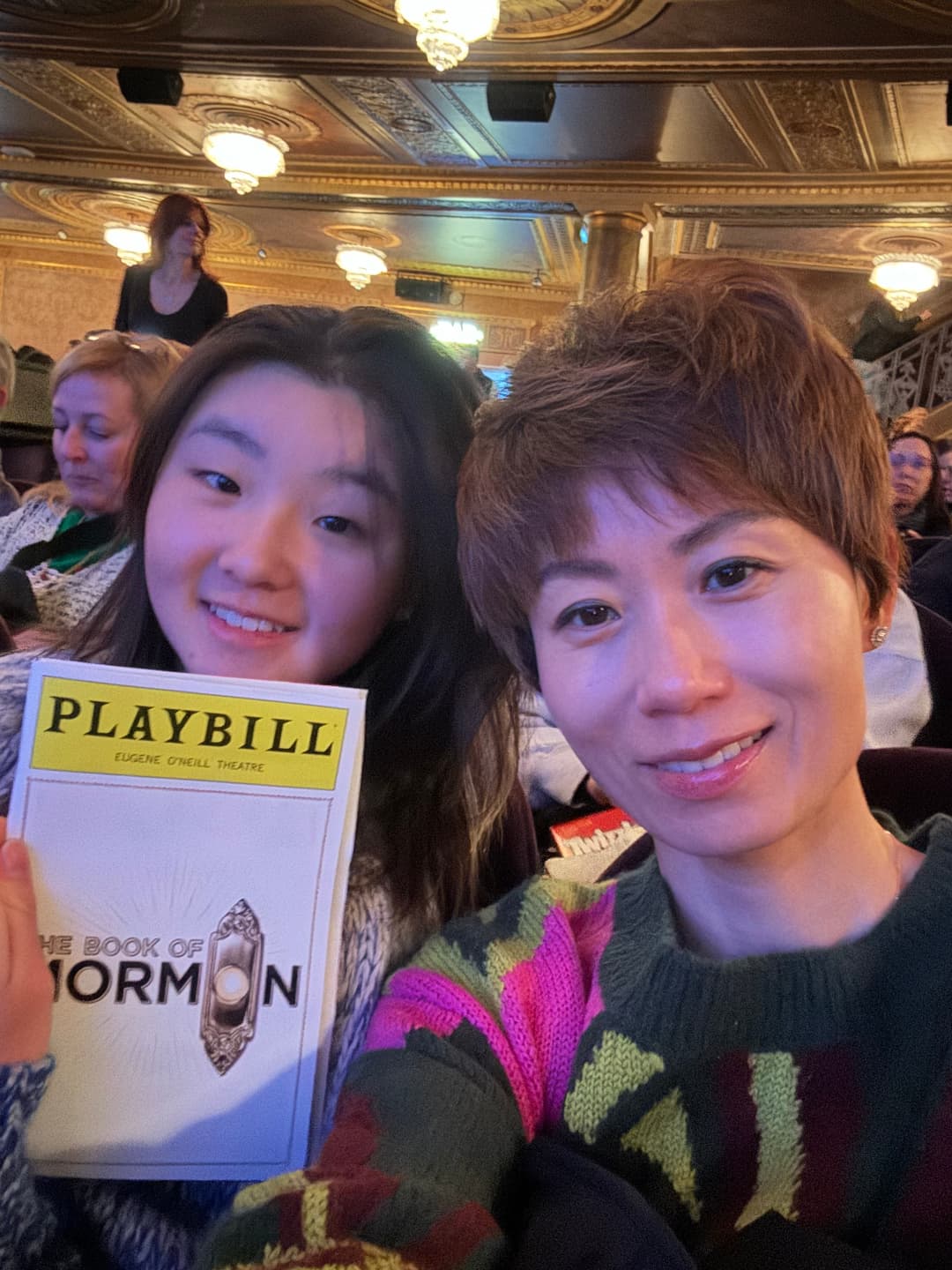
The Book of Mormon
2011 · Attended Original
Gallery VIII · 2011–2019
Innovation, Diversity, and Reimagining
History, hip-hop, folk, and fandom arrived on the same stages.
The decade of the 2010s marked one of the most remarkable creative renaissances in Broadway history. Building upon the artistic experimentation of the previous generation, Broadway entered a period in which historical narratives, contemporary social issues, diverse voices, and innovative musical styles converged to redefine the American musical for the twenty-first century. Rather than relying on a single dominant style, Broadway embraced extraordinary diversity. Hip-hop, folk, jazz, gospel, pop, indie rock, and traditional Broadway orchestration coexisted on the same stages. Productions drew inspiration from biographies, mythology, journalism, novels, films, and original concepts, demonstrating that virtually any story could become a successful musical. This period also reflected significant cultural and technological change. Social media transformed how productions reached audiences, allowing fan communities to flourish beyond the theatre. Streaming services and digital recordings expanded access to Broadway music, while online platforms introduced younger audiences to musicals long before they attended a live performance. Broadway increasingly became both a live theatrical experience and a global digital phenomenon. Perhaps no production better symbolizes this era than Hamilton (2015). By combining hip-hop, R&B, traditional musical theatre, and a deliberately diverse cast to tell the story of America's Founding Fathers, Lin-Manuel Miranda fundamentally challenged assumptions about historical storytelling, representation, and the relationship between past and present. The musical became a cultural landmark, influencing education, politics, popular culture, and theatre worldwide. Yet Hamilton was only one part of a much broader movement. Fun Home demonstrated that deeply personal memoirs could become powerful works of musical theatre. Come From Away celebrated human kindness in the aftermath of September 11. Dear Evan Hansen examined adolescence, mental health, and digital communication. Hadestown fused Greek mythology with folk and jazz to create a timeless meditation on love, labor, and hope. Productions such as The Book of Mormon, Newsies, Matilda, Once, and Beetlejuice further expanded the range of stories, audiences, and artistic styles represented on Broadway. Broadway also became more intentional about representation, both onstage and behind the scenes. Creators from increasingly diverse backgrounds introduced new cultural perspectives and storytelling traditions, while audiences expected theatre to engage with contemporary conversations surrounding race, gender, sexuality, disability, and identity. Looking back, the 2010s represent a period when Broadway successfully balanced artistic innovation, commercial success, and cultural relevance. The American musical had become one of the nation's most dynamic artistic forms, capable of preserving history while simultaneously reimagining it.
As you explore Gallery VIII, consider how Broadway evolved during this period: - The rise of historically inspired musicals told through contemporary artistic forms - Greater diversity among creators, performers, and the stories represented on stage - The integration of hip-hop, folk, indie rock, pop, and global musical influences - The impact of social media, streaming, and digital fan communities on Broadway culture - Musicals addressing mental health, identity, belonging, grief, and social justice - Broadway's emergence as an increasingly global cultural phenomenon
Featured exhibition cards
Personal Playbills mark nights I attended. “Attended Revival” means the photograph is from a later staging, not the original production on the card. Exhibition posters mark works I did not see. Official Playbill covers are not used.
The Book of Mormon
2011 · Attended Original
Gallery VIII · 2012
My Broadway
Music by Alan Menken · Lyrics by Jack Feldman
Researched Original
Newsies
2012 · Researched Original
Gallery VIII · 2012
My Broadway
Music and Lyrics by Glen Hansard and Markéta Irglová · Book by Enda Walsh
Researched Original
Once
2012 · Researched Original
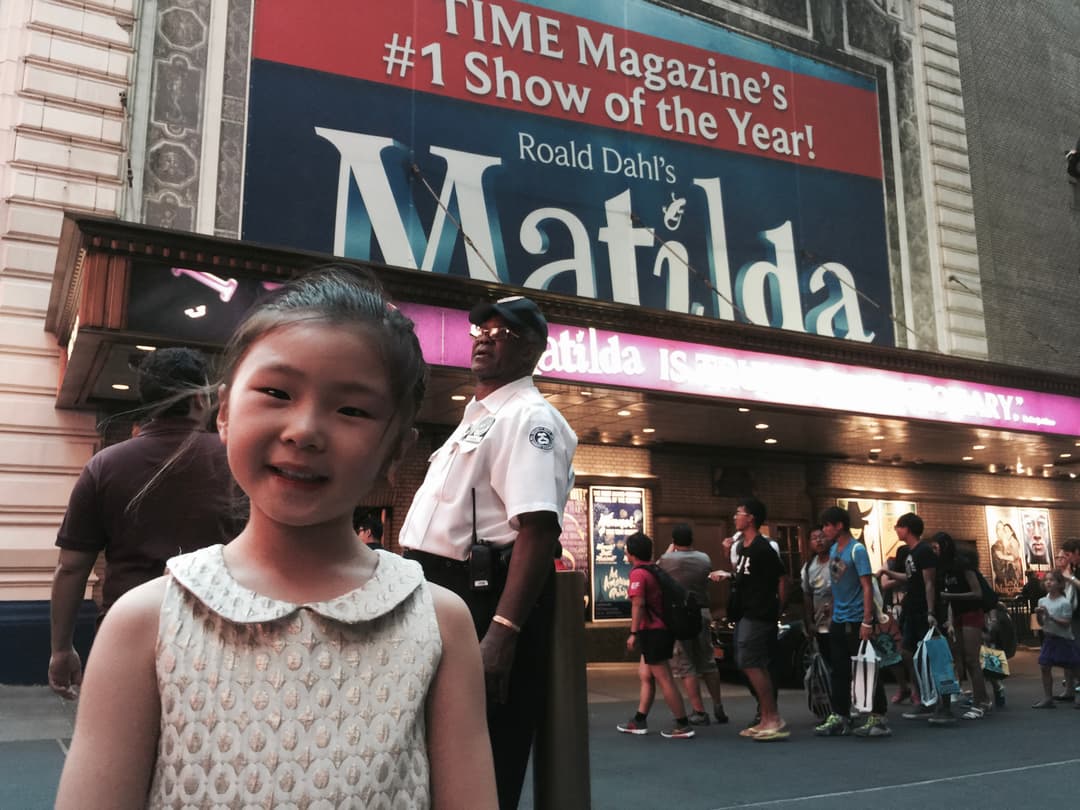
Matilda
2013 · Attended Original
Gallery VIII · 2015
My Broadway
Music by Jeanine Tesori · Book and Lyrics by Lisa Kron
Researched Original
Fun Home
2015 · Researched Original
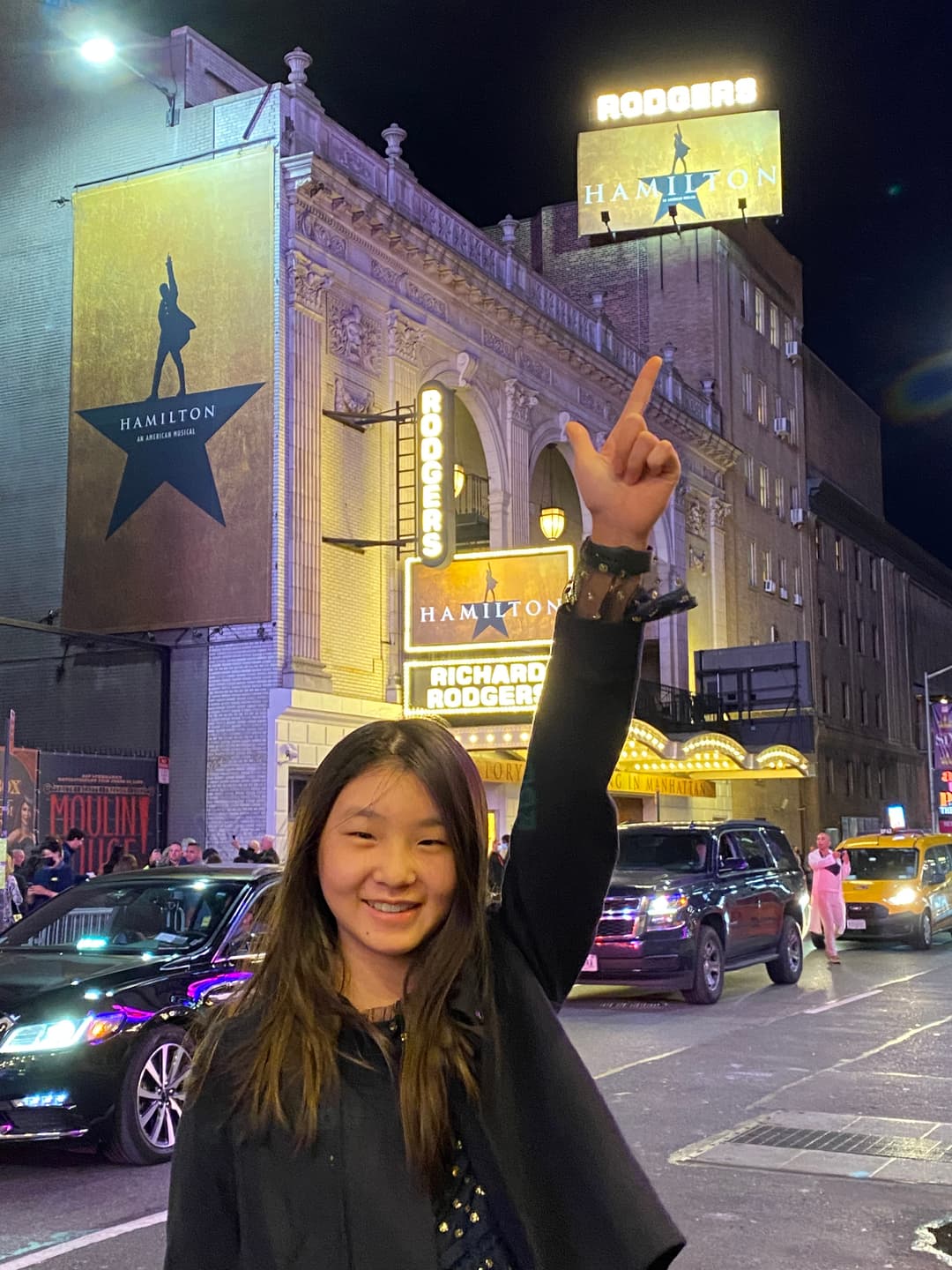
Hamilton
2015 · Attended Original
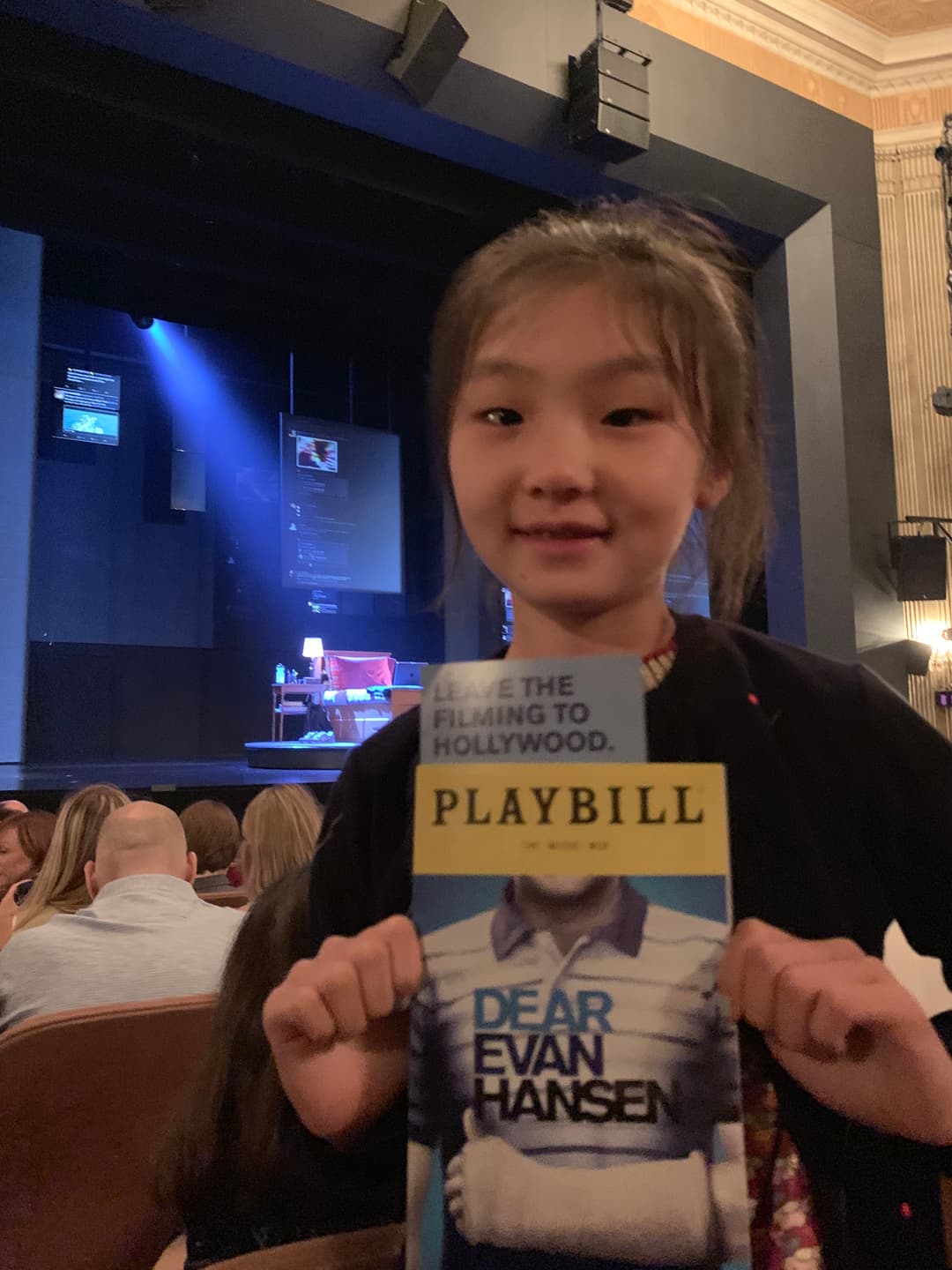
Dear Evan Hansen
2016 · Attended Original
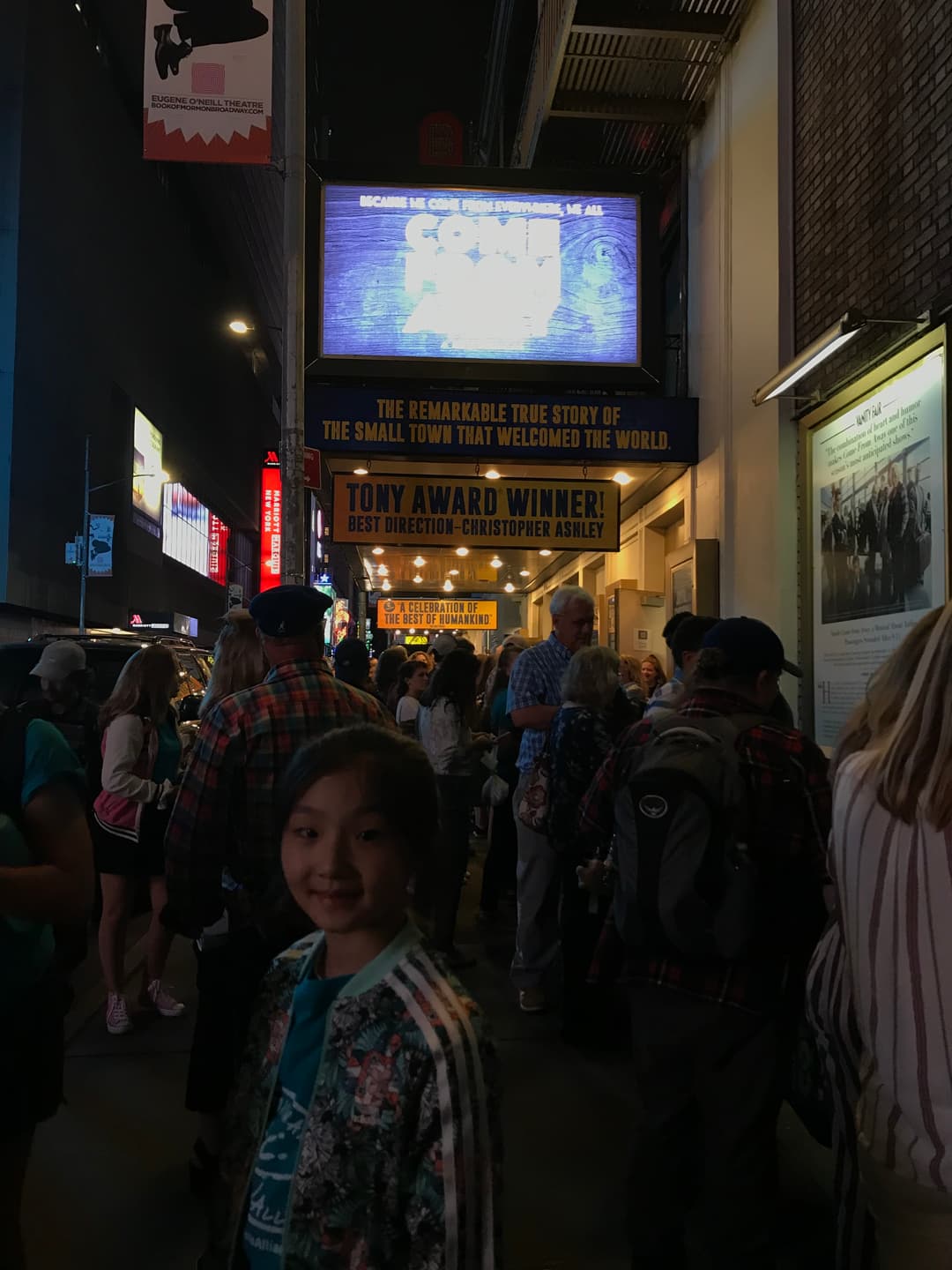
Come From Away
2017 · Attended Original
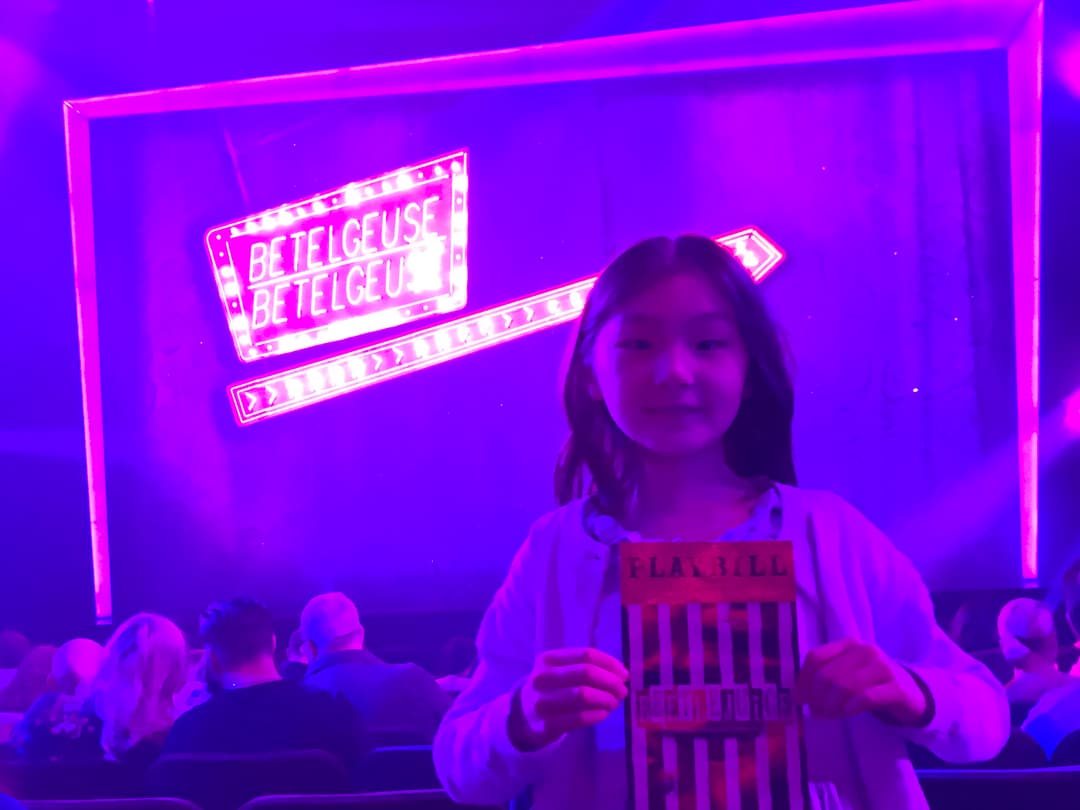
Beetlejuice
2019 · Attended Original
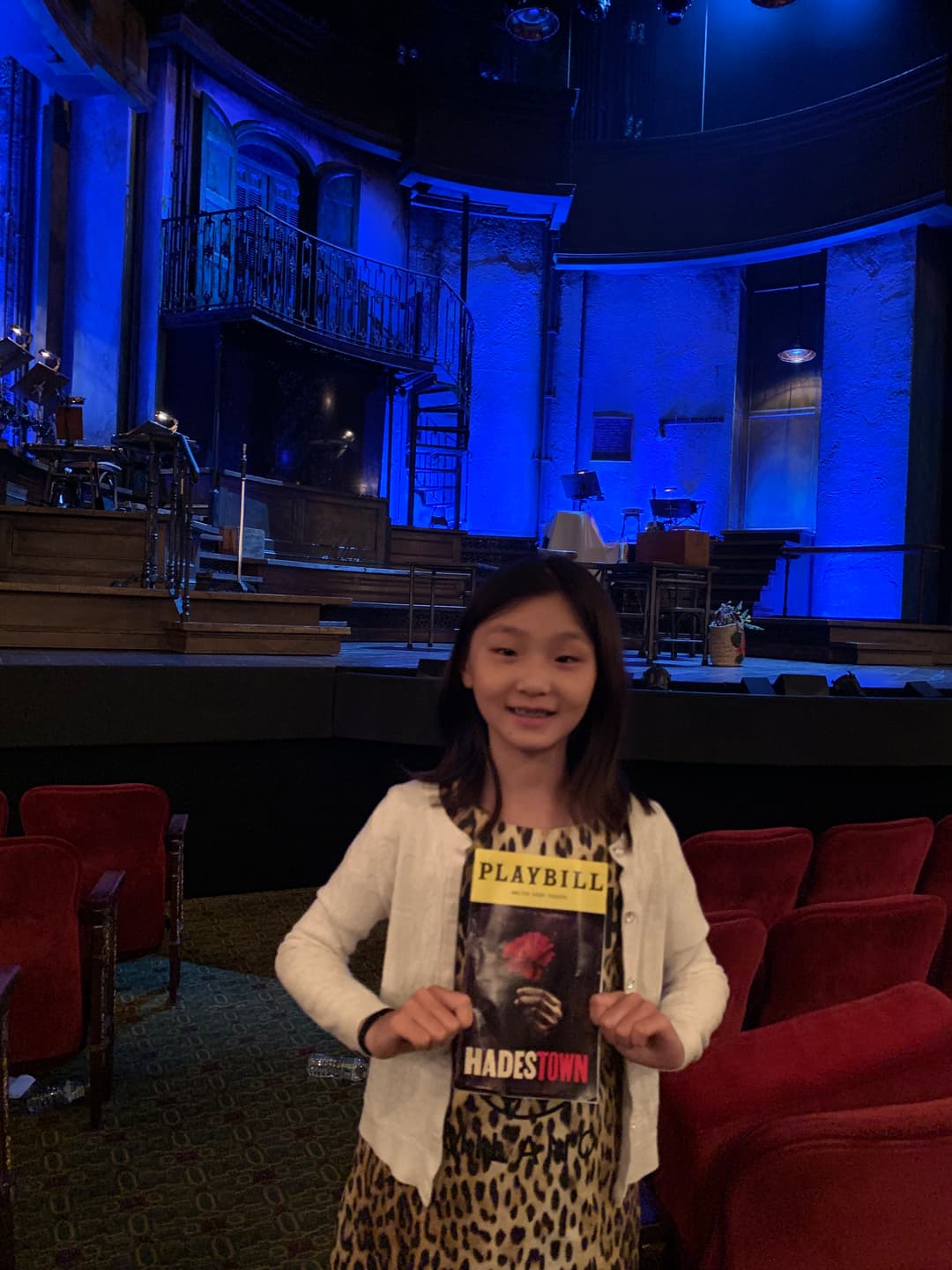
Hadestown
2019 · Attended Original