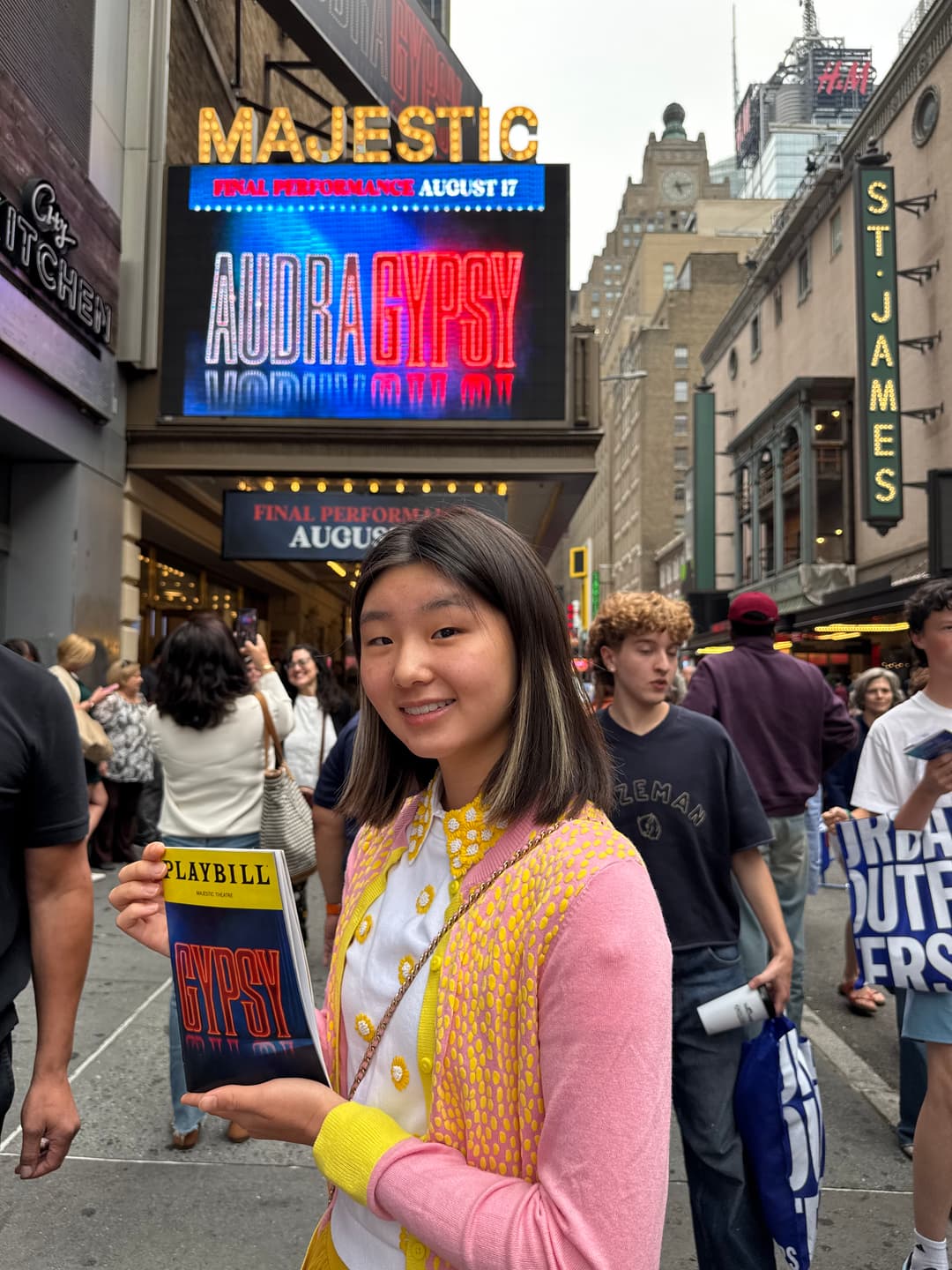
Gypsy
1974 · Attended Revival
Gallery IX · 2020–Present
Revivals That Changed Broadway
What does this story mean today?
On March 12, 2020, Broadway did something it had not done on such a scale in modern history: it went dark. As the COVID-19 pandemic spread across the globe, every Broadway theatre closed its doors. Productions halted overnight, thousands of performers and theatre professionals lost their work, and an industry built upon live, shared experiences suddenly found itself without an audience. What was initially expected to be a temporary closure ultimately lasted eighteen months, becoming the longest shutdown in Broadway's history. The reopening of Broadway in September 2021 marked far more than the return of live performances. It represented the resilience of an artistic community that had endured extraordinary uncertainty while reimagining its future. Producers, artists, and theatre owners adopted new health and safety protocols, embraced digital marketing, expanded accessibility initiatives, and sought new ways to reconnect with audiences who had spent months consuming entertainment almost entirely through screens. The post-pandemic era has also been defined by remarkable creative diversity. Broadway has welcomed a wider range of voices, cultures, and musical styles than at any previous point in its history. New productions have explored American politics, immigration, mental health, race, gender, disability, historical memory, and community through increasingly innovative storytelling. At the same time, revivals have reinterpreted classic works for contemporary audiences, demonstrating that Broadway's past continues to evolve alongside its present. Technological change has further reshaped the industry. Social media platforms such as TikTok have become powerful tools for audience engagement, allowing individual performances and songs to reach millions of viewers worldwide. Digital lotteries, online communities, streaming recordings, and behind-the-scenes content have transformed how audiences discover and experience Broadway, particularly younger generations. Yet despite these innovations, the defining characteristic of Broadway remains unchanged: the irreplaceable experience of live theatre. Every performance is unique, every audience different, and every curtain call a reminder that musical theatre continues to thrive because it brings people together in a shared physical space. As Broadway approaches its second century, it stands at the intersection of tradition and innovation. New creators continue to build upon the artistic foundations established by earlier generations while expanding the stories, perspectives, and communities represented on stage. The productions in this gallery illustrate not only where Broadway is today, but also where it may be headed in the decades to come.
As you explore Gallery IX, consider how Broadway continues to evolve: - The COVID-19 shutdown and Broadway's historic reopening - Greater diversity among creators, performers, and stories - The reinterpretation of classic musicals through contemporary perspectives - The influence of social media, digital communities, and younger audiences - Continued innovation in stage technology, scenic design, and immersive theatre - Broadway's resilience as a living cultural institution
Great musicals are never finished. Every generation rewrites them. Instead of introducing new musicals, this gallery asks: Why do revivals matter? Topics include: - Revival vs. reproduction - How directors reinterpret classics - Changing social values - New choreography - New orchestrations - Modern casting - Gender-swapped productions - Race-conscious casting - Historical reevaluation Exhibition Cards Rather than discussing the original productions again, each card examines why a particular revival became historically important. Suggested cards:
Featured exhibition cards
Personal Playbills mark nights I attended. “Attended Revival” means the photograph is from a later staging, not the original production on the card. Exhibition posters mark works I did not see. Official Playbill covers are not used.
Gypsy
1974 · Attended Revival
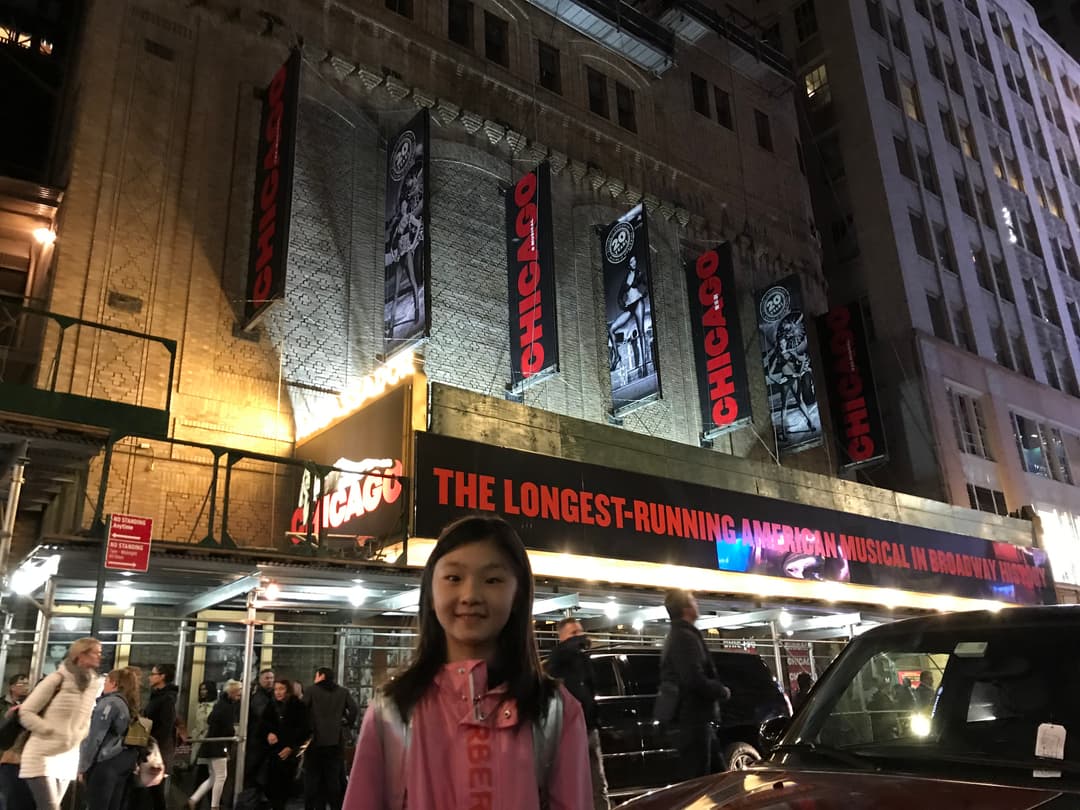
Chicago
1996 · Attended Revival
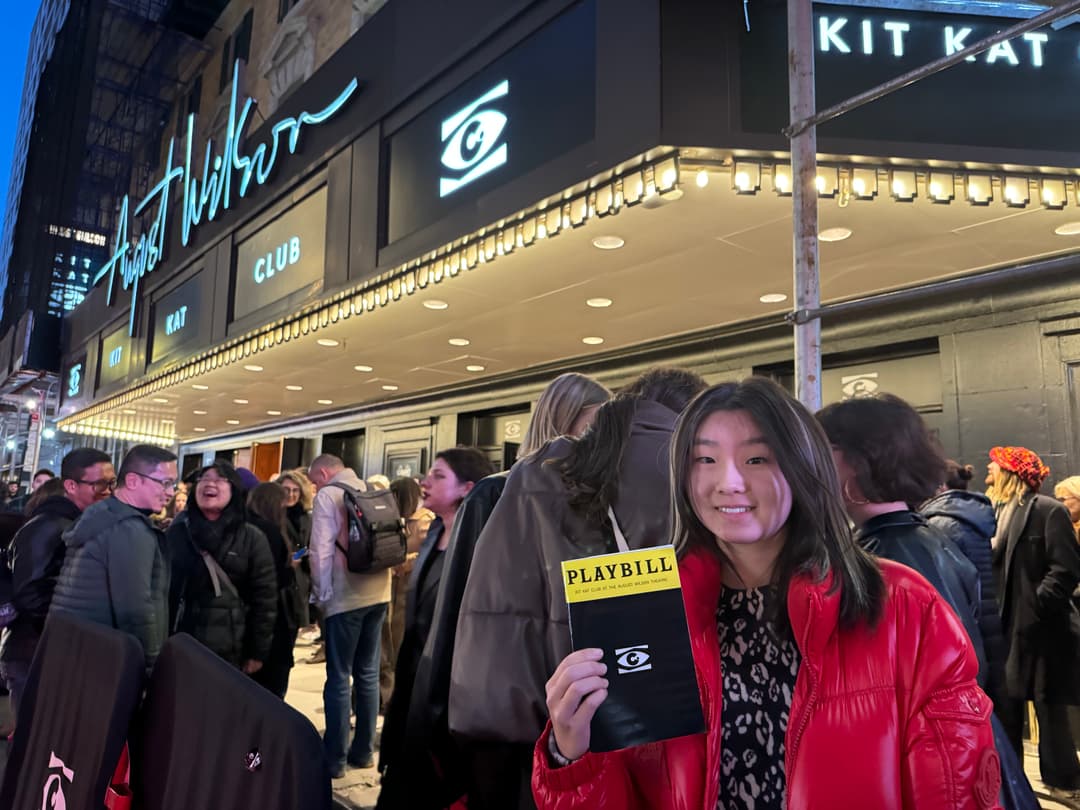
Cabaret
1998 · Attended Revival
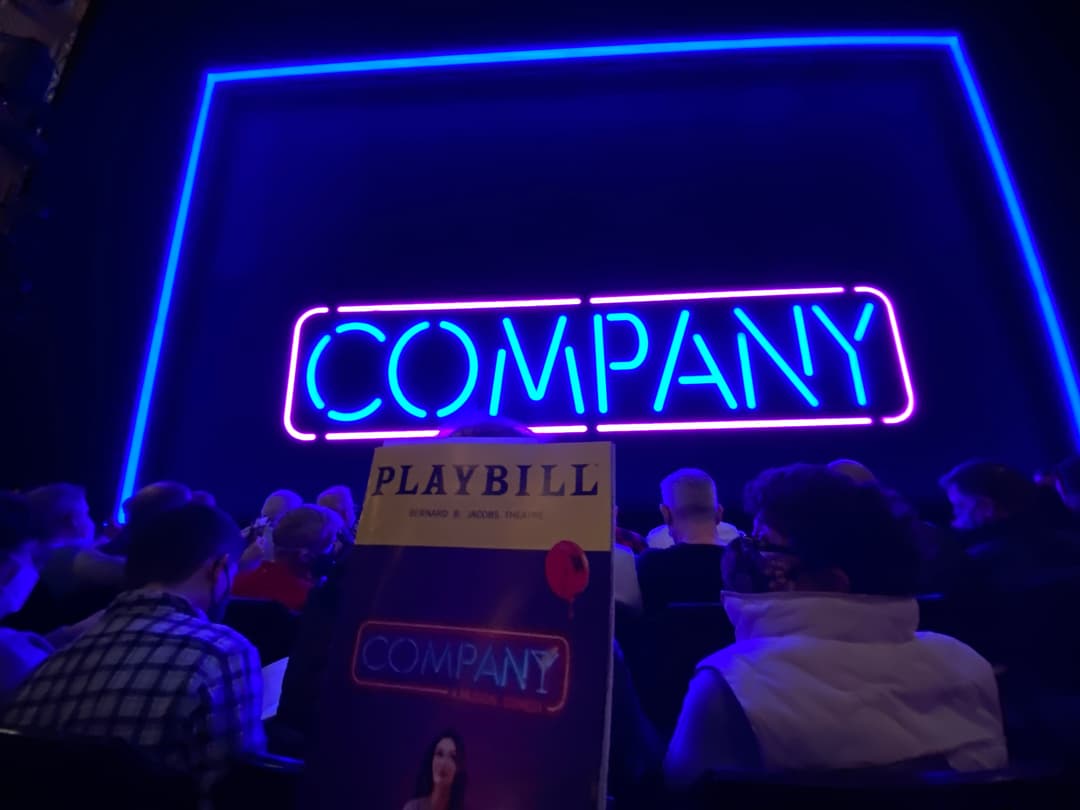
Company
2021 · Attended Revival
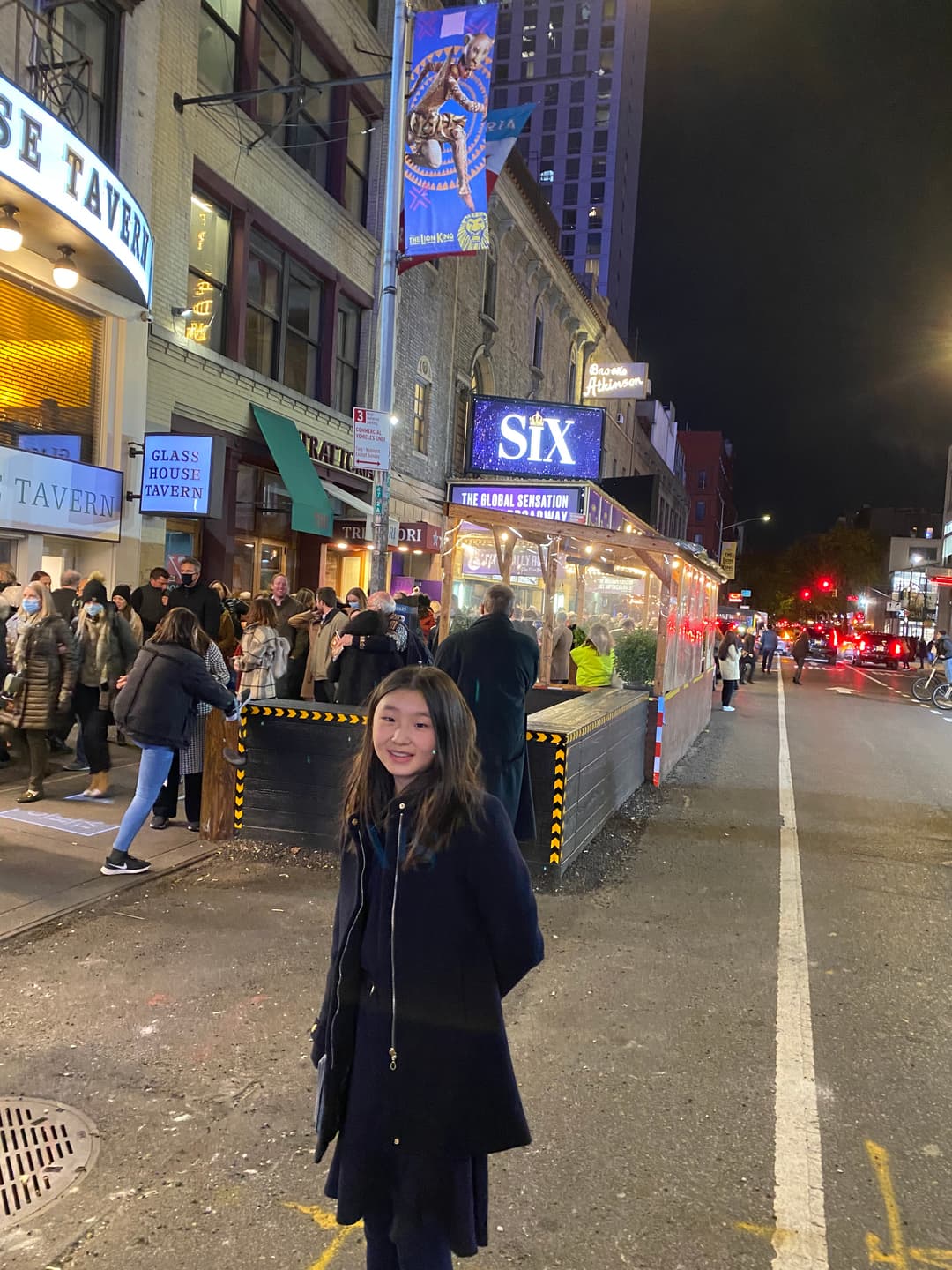
SIX
2021 · Attended Original
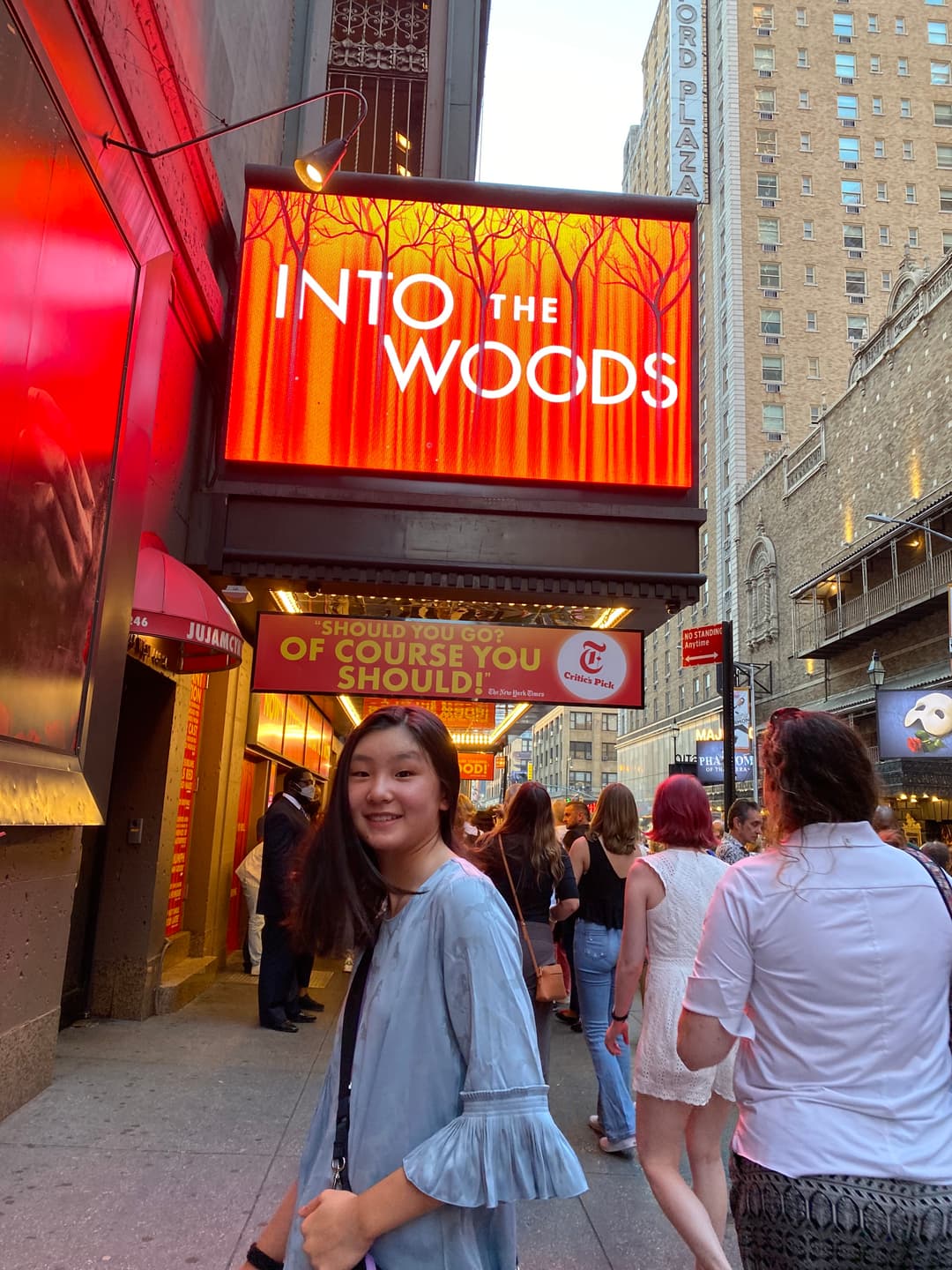
Into the Woods
2022 · Attended Revival
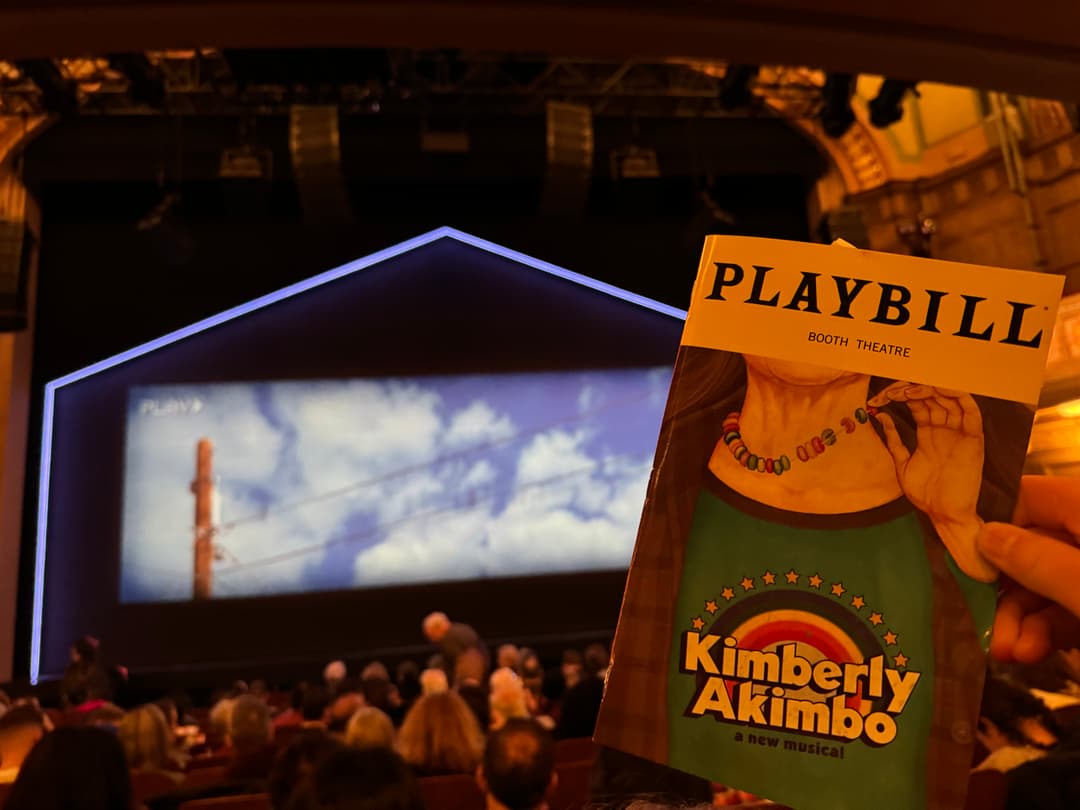
Kimberly Akimbo
2022 · Attended Original
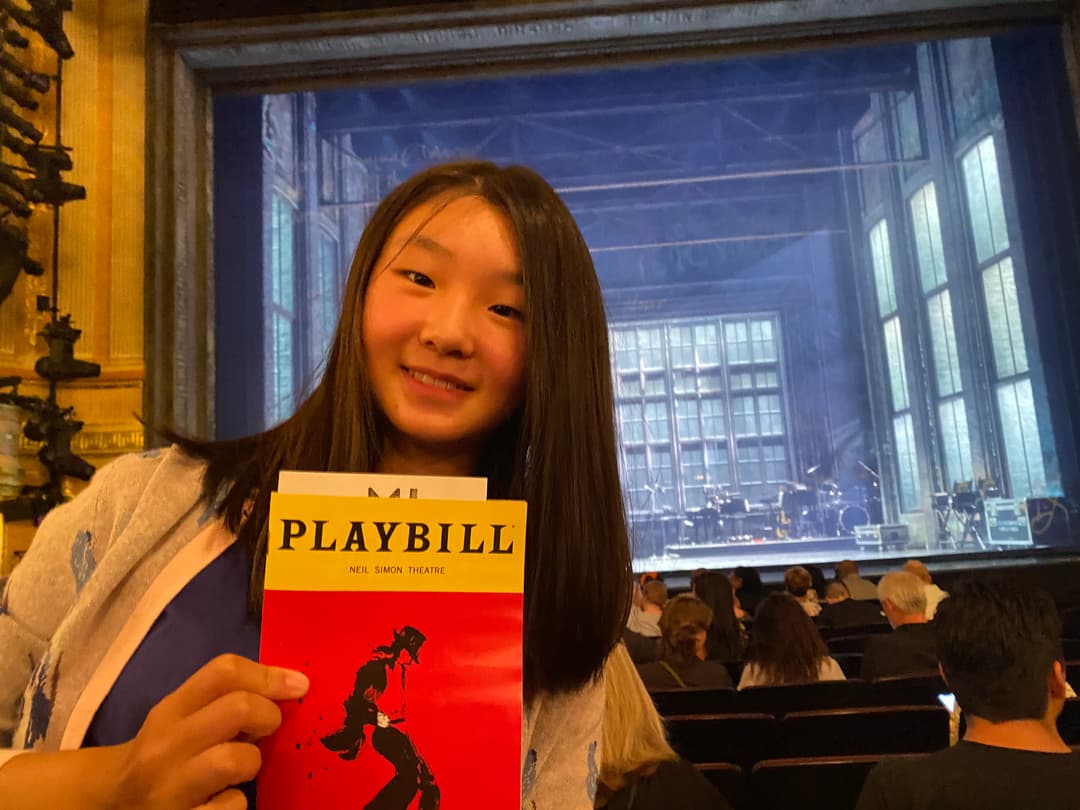
MJ
2022 · Attended Original
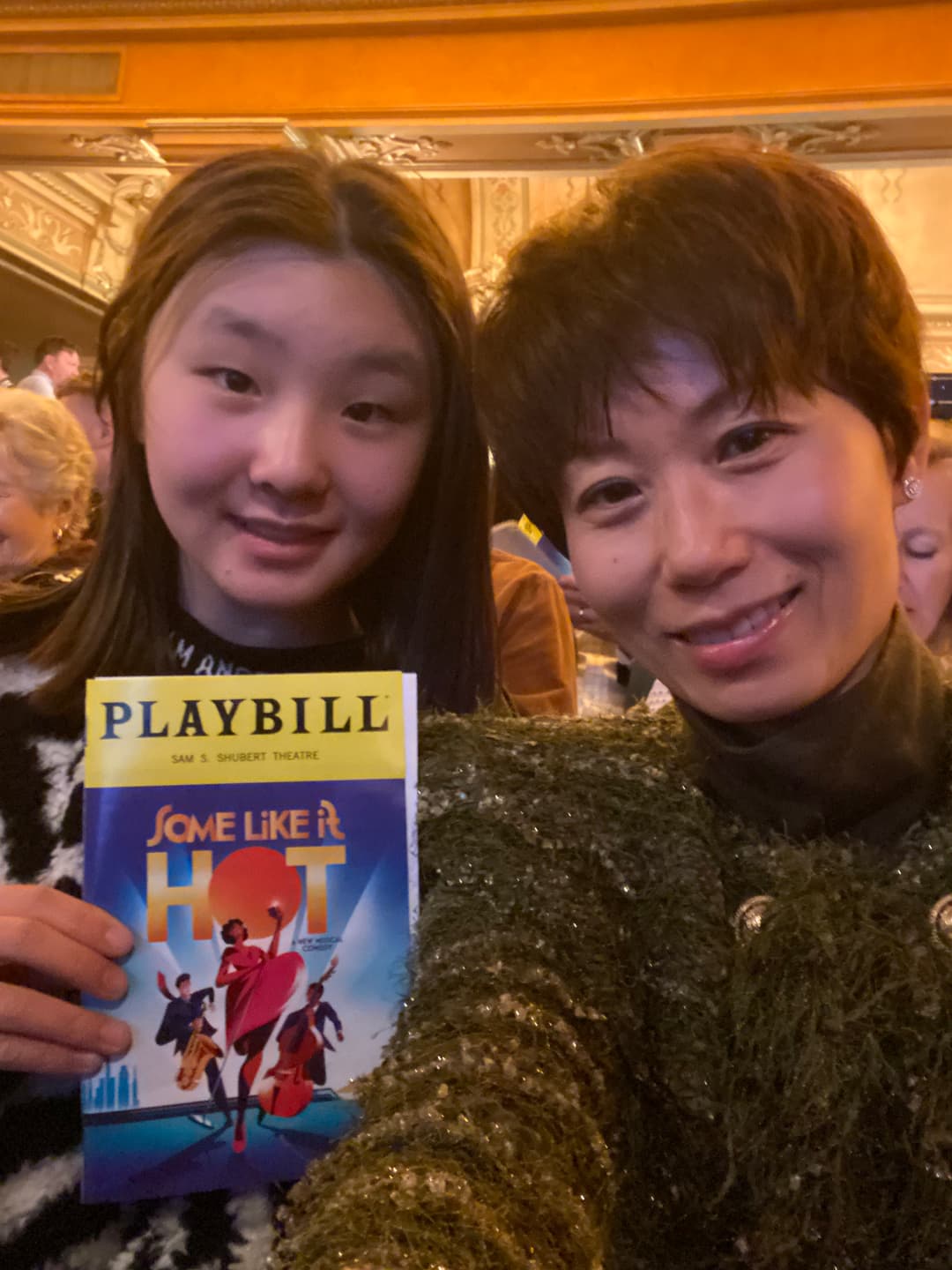
Some Like It Hot
2022 · Attended Original
Gallery IX · 2023 · Revival
My Broadway
2023 Broadway Revival · Music and Lyrics by Stephen Sondheim
Researched Revival
Merrily We Roll Along
2023 · Researched Revival
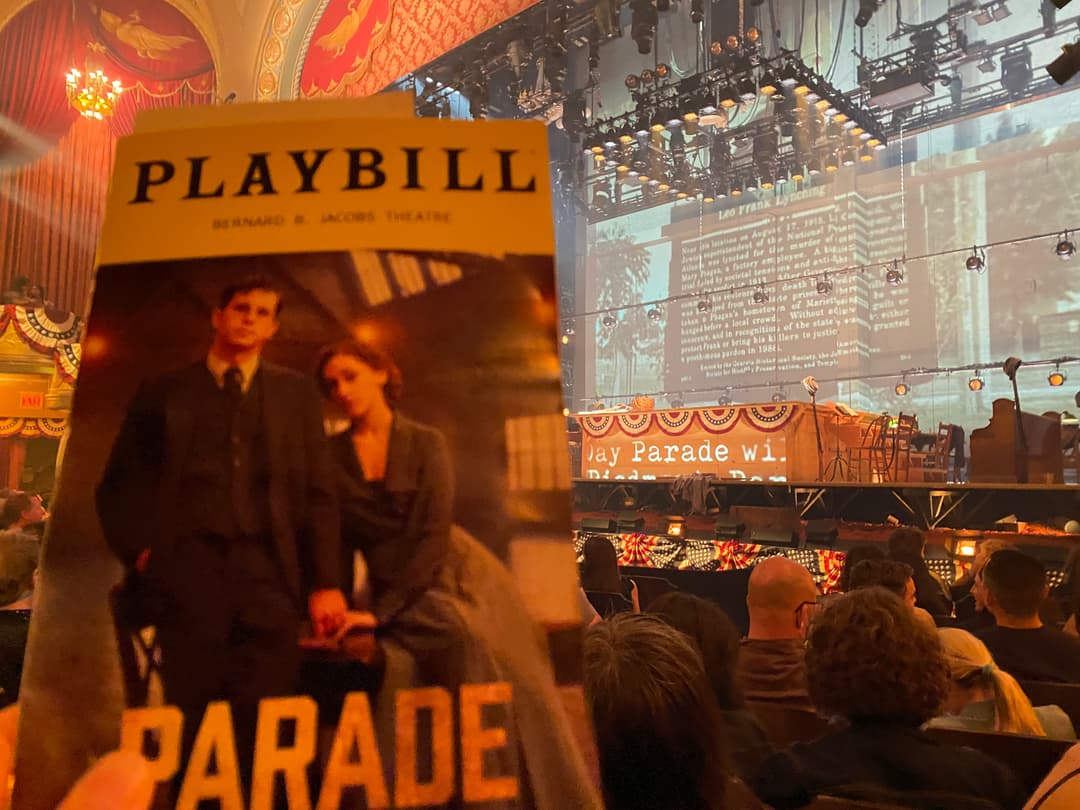
Parade
2023 · Attended Original
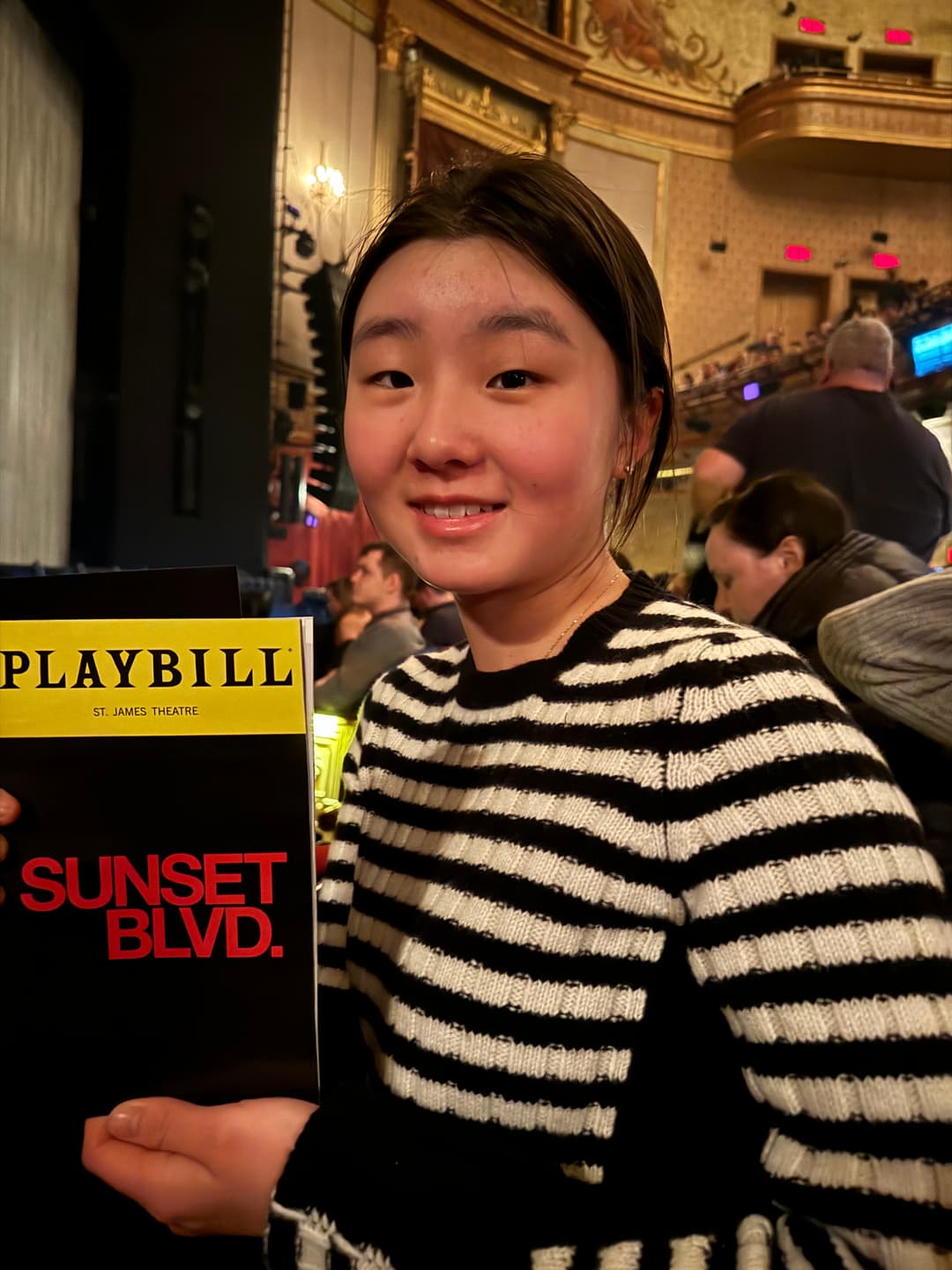
Sunset Boulevard
2023 · Attended Revival
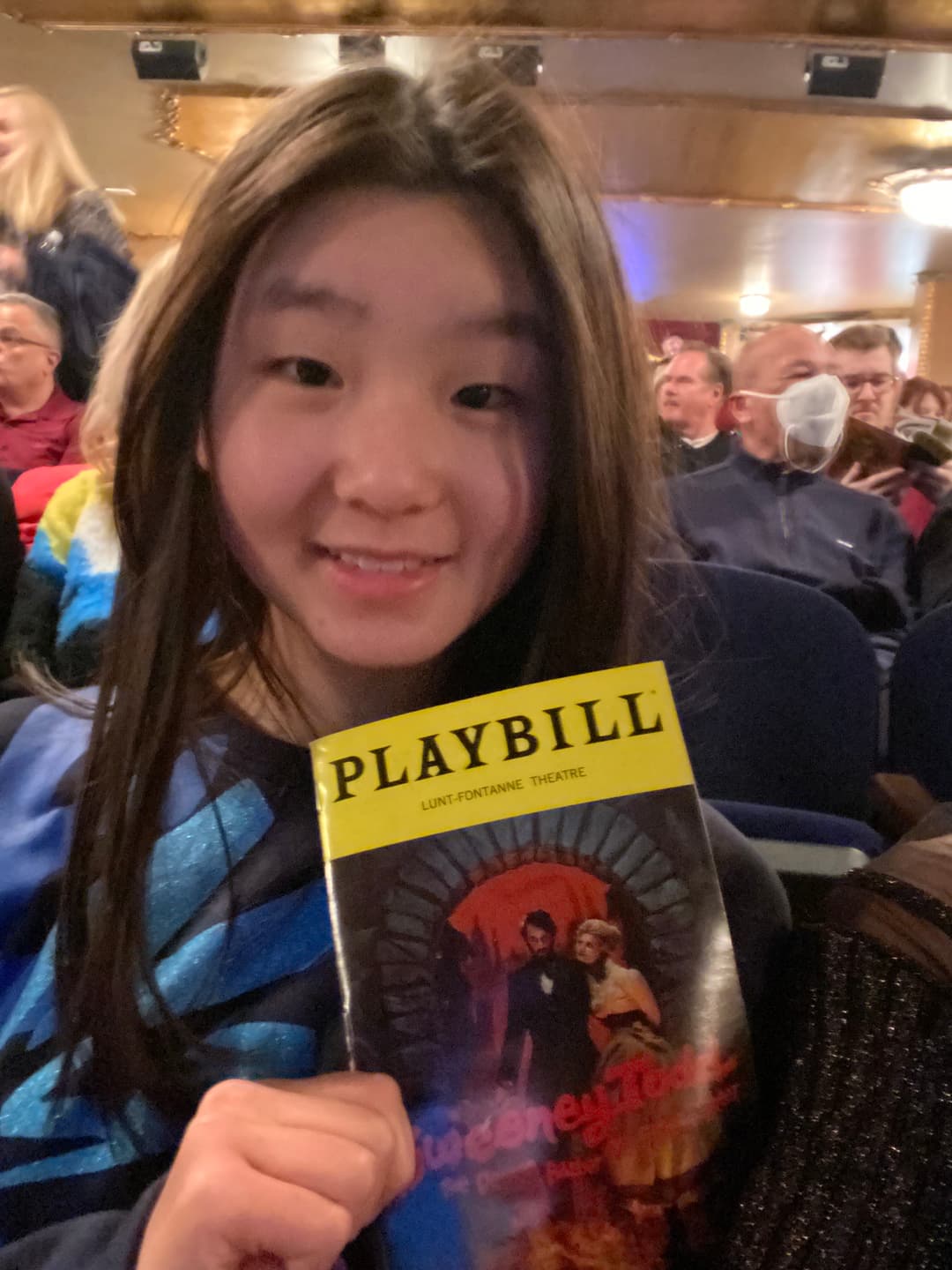
Sweeney Todd
2023 · Attended Revival
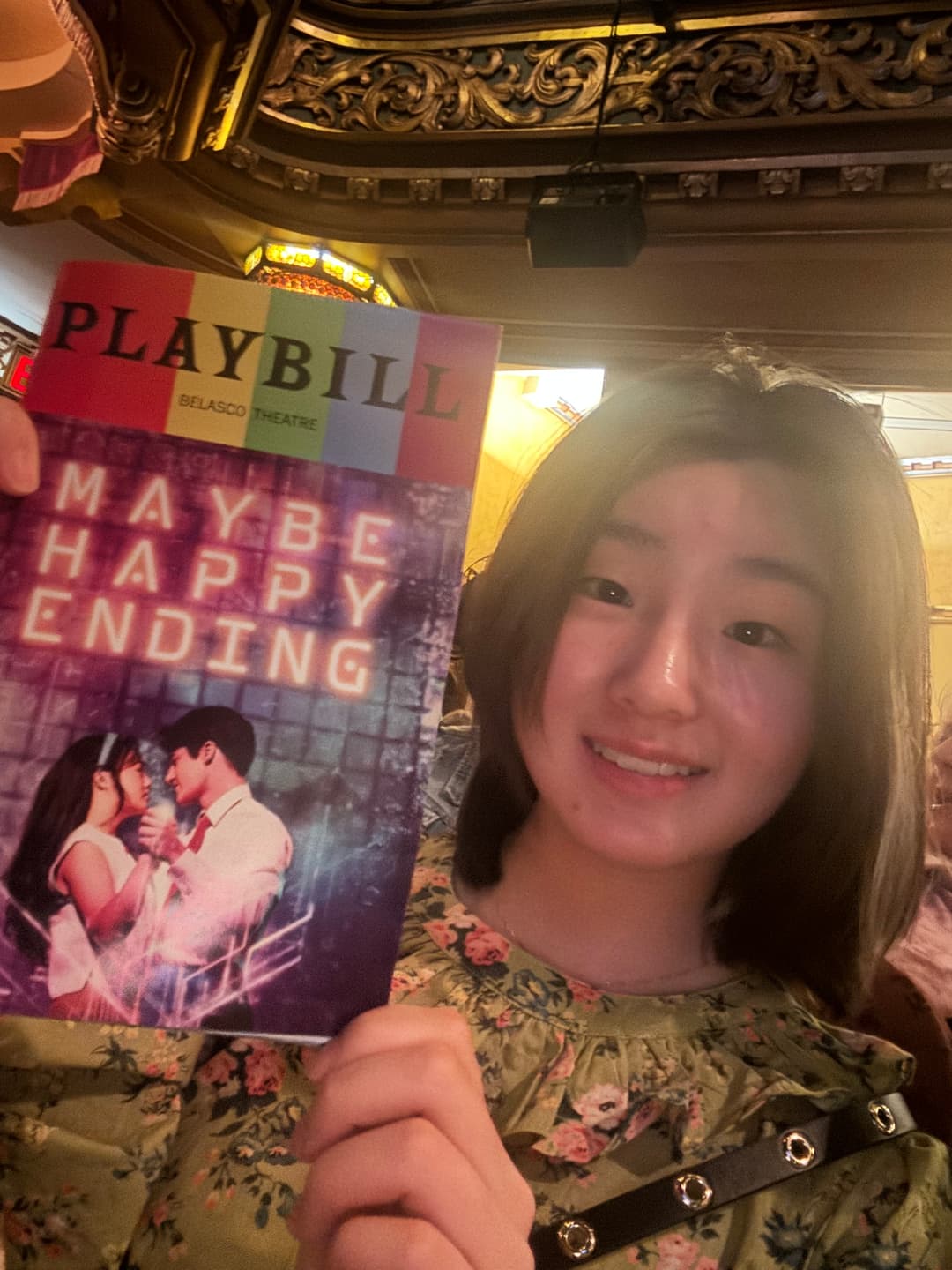
Maybe Happy Ending
2024 · Attended Original
Gallery IX · 2024
My Broadway
Book, Music, and Lyrics by Shaina Taub · Originally Directed by Leigh Silverman
Researched Original
Suffs
2024 · Researched Original
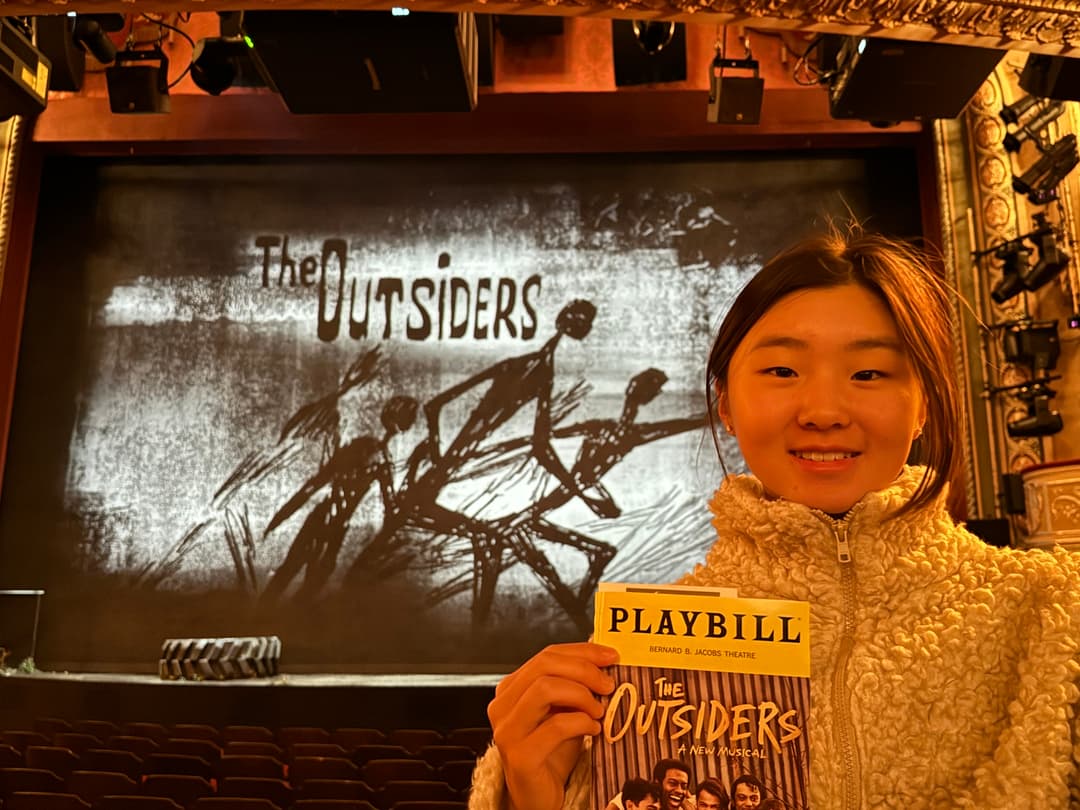
The Outsiders
2024 · Attended Original
Gallery IX · 2025
My Broadway
Music from the Grammy Award–Winning Album Buena Vista Social Club · Book by Marco Ramirez
Researched Original
Buena Vista Social Club
2025 · Researched Original