Gallery III · 1960
My Broadway
Bye Bye Birdie
Music by Charles Strouse · Lyrics by Lee Adams
Researched Original
Bye Bye Birdie
1960 · Researched Original
Gallery III · 1960–1975
Innovation, Social Change, and the Modern American Musical
As America changed, Broadway changed with it.
The Golden Age established the artistic language of the American musical. The next generation of artists began asking what that language could say.
Between 1960 and 1975, Broadway underwent one of the most significant periods of transformation in its history. While many productions retained the musical sophistication and craftsmanship of the Golden Age, they increasingly reflected a nation experiencing profound social, political, and cultural upheaval. The Civil Rights Movement, the Vietnam War, second-wave feminism, the sexual revolution, political assassinations, urbanization, and the emergence of youth counterculture reshaped American life—and Broadway became one of the stages upon which those changes were explored. Musicals no longer focused primarily on romance or traditional happy endings. Instead, they examined prejudice, political extremism, corporate ambition, generational conflict, disillusionment, identity, and the complexities of modern relationships. Characters became more psychologically nuanced, protagonists less conventionally heroic, and endings increasingly ambiguous. At the same time, Broadway experienced an artistic renaissance driven by remarkable creative partnerships. Director-choreographers such as Jerome Robbins, Bob Fosse, Harold Prince, and Michael Bennett redefined the visual language of musical theatre. Their productions integrated movement, staging, lighting, and scenic design into cohesive dramatic experiences that often rivaled the importance of the script itself. Perhaps no composer better represented this new era than Stephen Sondheim. Collaborating with directors such as Harold Prince, Sondheim expanded the emotional and intellectual possibilities of musical theatre through sophisticated lyrics, complex characters, unconventional narrative structures, and psychologically rich scores. Although several of his most groundbreaking works would premiere after 1975, the foundations of his revolutionary approach emerged during this period. Musically, Broadway also became far more diverse. Traditional Broadway orchestrations coexisted with rock music, folk influences, jazz, gospel, and contemporary popular styles. Productions such as Hair and Jesus Christ Superstar reflected the growing influence of rock music, while others continued to refine the classic Broadway sound established during the previous generation. This era did not reject the Golden Age—it built upon it. The integrated musical remained the standard, but artists increasingly experimented with structure, subject matter, and theatrical form. Broadway matured into an art form capable of addressing the complexities and contradictions of modern America.
As you explore Gallery III, consider how these productions reflect a changing nation:
Featured exhibition cards
Personal Playbills mark nights I attended. “Attended Revival” means the photograph is from a later staging, not the original production on the card. Exhibition posters mark works I did not see. Official Playbill covers are not used.
Gallery III · 1960
My Broadway
Music by Charles Strouse · Lyrics by Lee Adams
Researched Original
Bye Bye Birdie
1960 · Researched Original
Gallery III · 1961
My Broadway
Music and Lyrics by Frank Loesser · Book by Abe Burrows, Jack Weinstock, and Willie Gilbert
Researched Original
How to Succeed in Business Without Really Trying
1961 · Researched Original
Gallery III · 1964
My Broadway
Music by Jerry Bock · Lyrics by Sheldon Harnick
Researched Original
Fiddler on the Roof
1964 · Researched Original
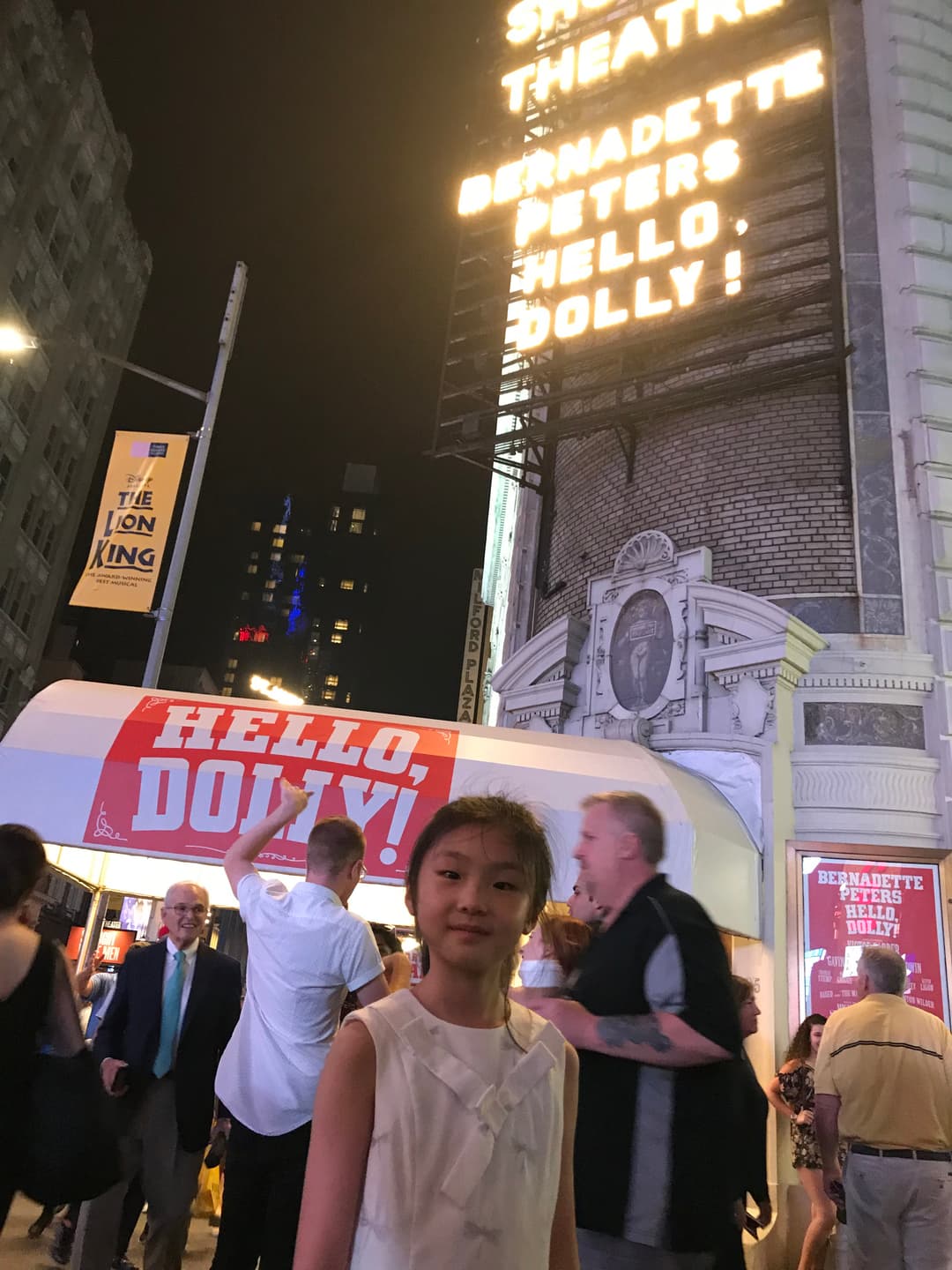
Hello, Dolly!
1964 · Attended Revival
Gallery III · 1965
My Broadway
Music by Mitch Leigh · Lyrics by Joe Darion
Researched Original
Man of La Mancha
1965 · Researched Original
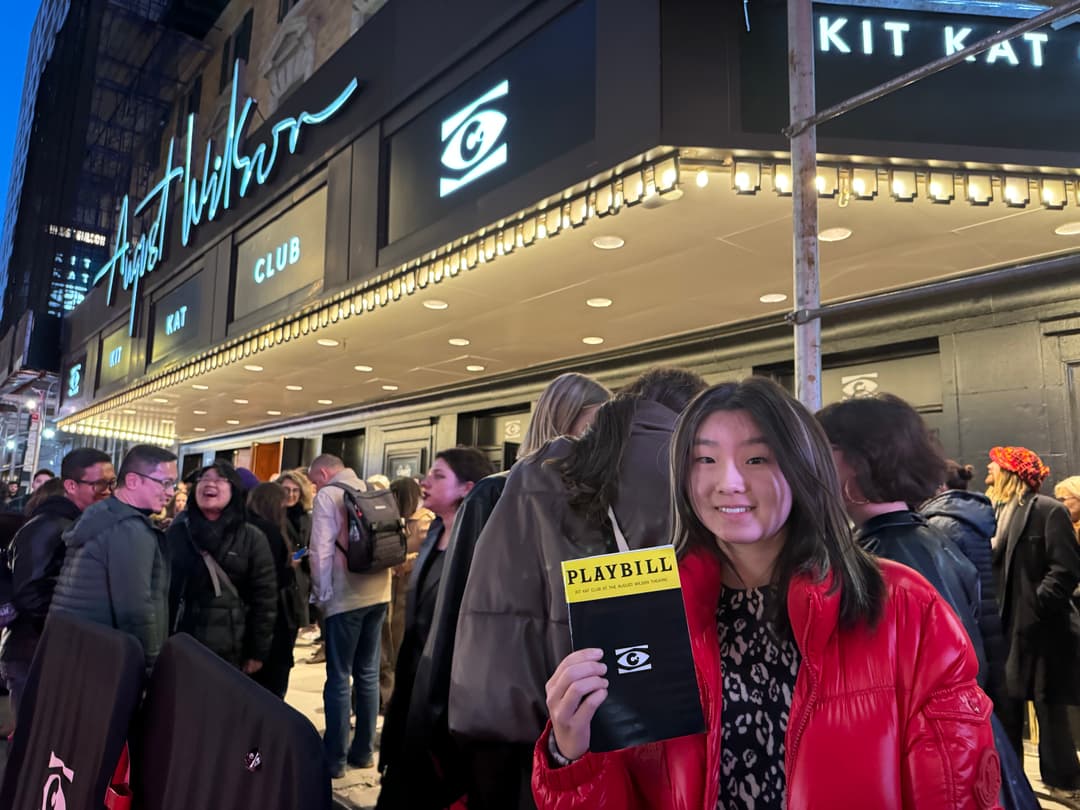
Cabaret
1966 · Attended Revival
Gallery III · 1968
My Broadway
Music by Galt MacDermot · Book and Lyrics by Gerome Ragni and James Rado
Researched Original
Hair
1968 · Researched Original
Gallery III · 1969
My Broadway
Music and Lyrics by Sherman Edwards · Book by Peter Stone
Researched Original
1776
1969 · Researched Original
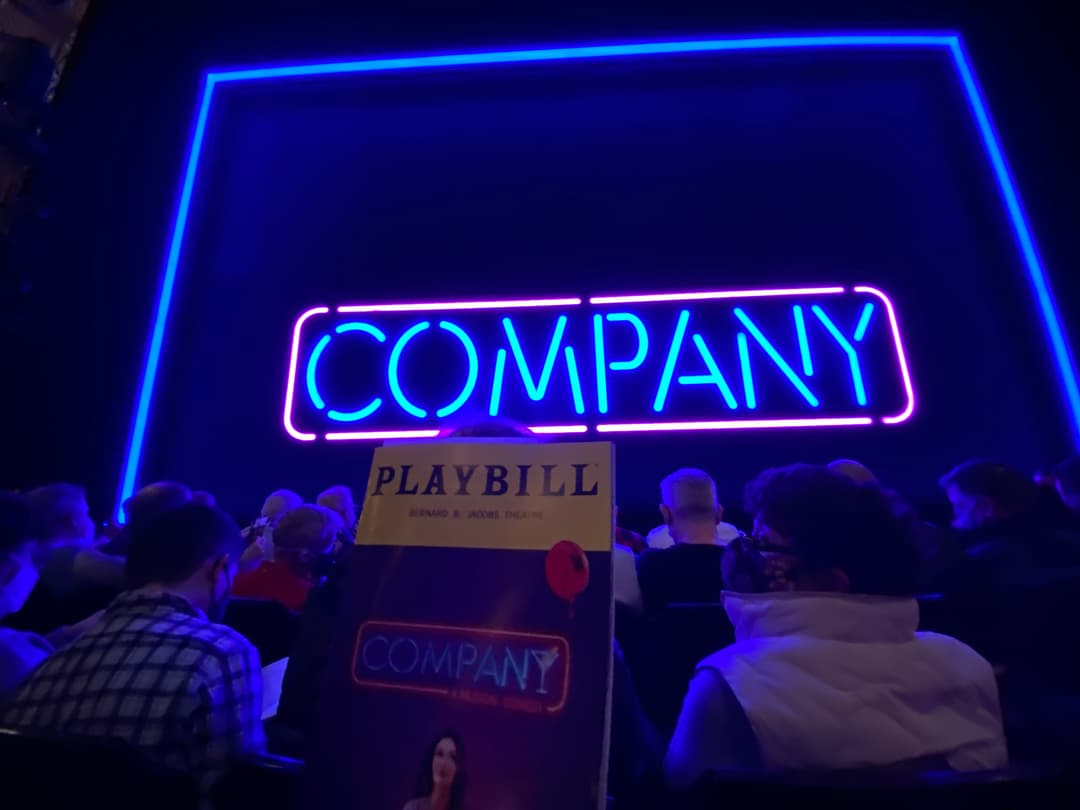
Company
1970 · Attended Revival
Gallery III · 1971
My Broadway
Music by Andrew Lloyd Webber · Lyrics by Tim Rice
Researched Original
Jesus Christ Superstar
1971 · Researched Original
Gallery III · 1972
My Broadway
Music and Lyrics by Stephen Schwartz · Book by Roger O. Hirson
Researched Original
Pippin
1972 · Researched Original
Gallery III · 1973
My Broadway
Music and Lyrics by Stephen Sondheim · Book by Hugh Wheeler
Researched Original
A Little Night Music
1973 · Researched Original
Gallery III · 1975
My Broadway
Music by Marvin Hamlisch · Lyrics by Edward Kleban
Researched Original
A Chorus Line
1975 · Researched Original
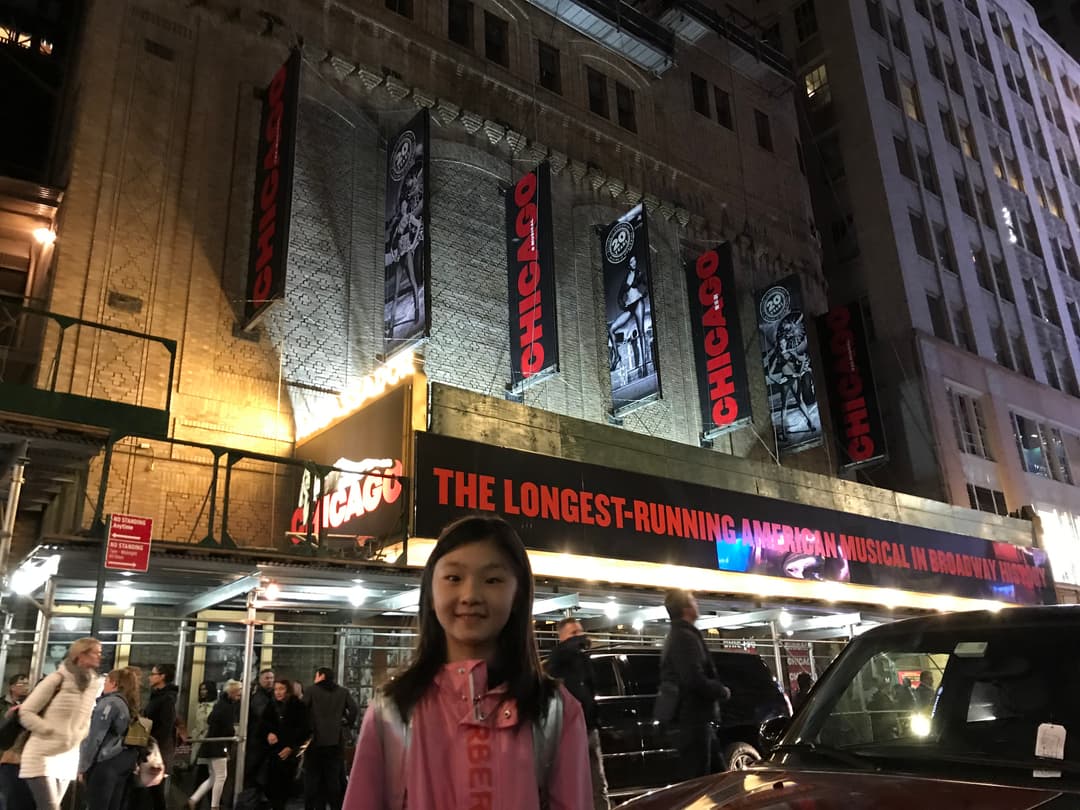
Chicago
1975 · Attended Revival