Gallery II · 1943
My Broadway
Oklahoma!
Music by Richard Rodgers · Book and Lyrics by Oscar Hammerstein II
Researched Original
Oklahoma!
1943 · Researched Original
Gallery II · 1943–1959
The Integrated Musical
Songs were no longer interruptions to the story—they became the story itself.
If Gallery I chronicled Broadway's search for an artistic identity, Gallery II marks the moment it found one. Beginning with the premiere of Oklahoma! in 1943, Broadway entered what historians now call the Golden Age of the American Musical. During the next two decades, composers, lyricists, choreographers, directors, and designers fundamentally redefined what musical theatre could accomplish. Songs were no longer interruptions to the story—they became the story itself. Dialogue, choreography, orchestration, scenery, lighting, and performance worked together to create fully integrated dramatic works in which every artistic element served a common purpose.
This transformation was led by an extraordinary generation of artists. Richard Rodgers and Oscar Hammerstein II established the model of the integrated musical, while composers and lyricists such as Frank Loesser, Frederick Loewe, Alan Jay Lerner, Jule Styne, Leonard Bernstein, and Stephen Sondheim expanded the form in new directions. Choreographers Agnes de Mille, Jerome Robbins, and Michael Kidd demonstrated that dance could reveal character and advance narrative rather than simply entertain between scenes. The Golden Age unfolded alongside one of the most transformative periods in American history. World War II, postwar prosperity, suburbanization, the Cold War, the early Civil Rights Movement, changing gender roles, and growing American influence abroad all shaped the stories Broadway chose to tell. Although many productions appeared optimistic on the surface, they often explored complex questions about identity, prejudice, family, ambition, immigration, love, and belonging. The musicals of this era also established what many audiences still recognize as the "classic Broadway sound." Lush orchestrations, memorable melodies, sophisticated lyrics, and emotionally rich storytelling became hallmarks of American musical theatre. Many of Broadway's most frequently revived productions—and some of its most beloved songs—originated during these years. More than any other period, the Golden Age defined Broadway's international reputation. Its productions became the foundation of theatre education, community theatre, touring companies, film adaptations, and revivals around the world. Even today, contemporary musicals continue to borrow from the storytelling principles first perfected during this remarkable era.
As you explore Gallery II, consider how these productions shaped the future of musical theatre: - The emergence of the fully integrated musical, uniting story, music, choreography, and design - Broadway's response to World War II and postwar American optimism - The growing exploration of race, immigration, class, family, and national identity - Dance becoming an essential storytelling language through the work of Agnes de Mille and Jerome Robbins - Literary adaptations and original stories reaching new artistic sophistication - The establishment of the "Broadway canon" that continues to influence theatre worldwide
Featured exhibition cards
Personal Playbills mark nights I attended. “Attended Revival” means the photograph is from a later staging, not the original production on the card. Exhibition posters mark works I did not see. Official Playbill covers are not used.
Gallery II · 1943
My Broadway
Music by Richard Rodgers · Book and Lyrics by Oscar Hammerstein II
Researched Original
Oklahoma!
1943 · Researched Original
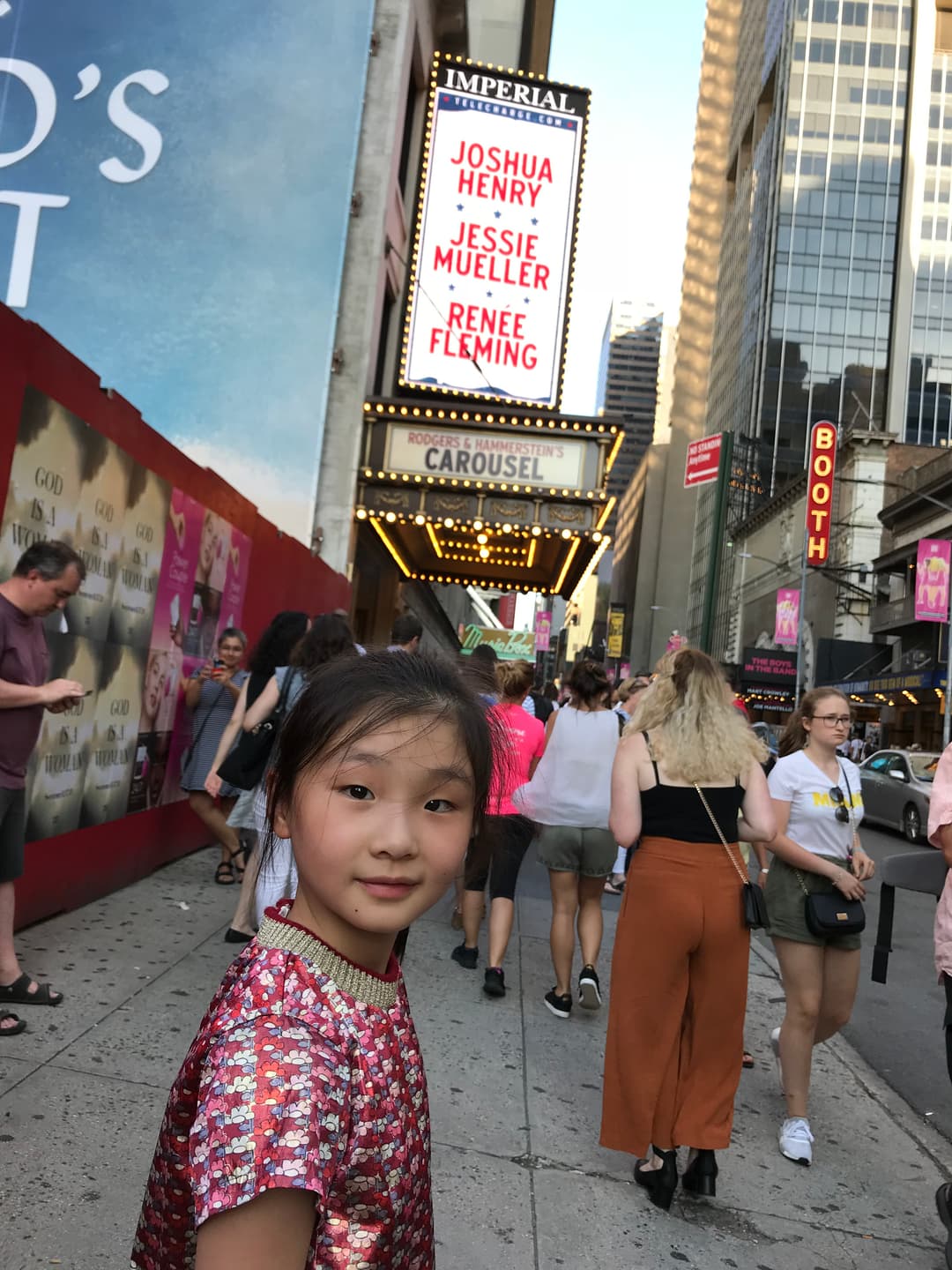
Carousel
1945 · Attended Revival
Gallery II · 1946
My Broadway
Music and Lyrics by Irving Berlin · Book by Herbert and Dorothy Fields
Researched Original
Annie Get Your Gun
1946 · Researched Original
Gallery II · 1948
My Broadway
Music and Lyrics by Cole Porter · Book by Samuel and Bella Spewack
Researched Original
Kiss Me, Kate
1948 · Researched Original
Gallery II · 1949
My Broadway
Music by Richard Rodgers · Lyrics by Oscar Hammerstein II
Researched Original
South Pacific
1949 · Researched Original
Gallery II · 1950
My Broadway
Music and Lyrics by Frank Loesser · Book by Jo Swerling and Abe Burrows
Researched Original
Guys and Dolls
1950 · Researched Original
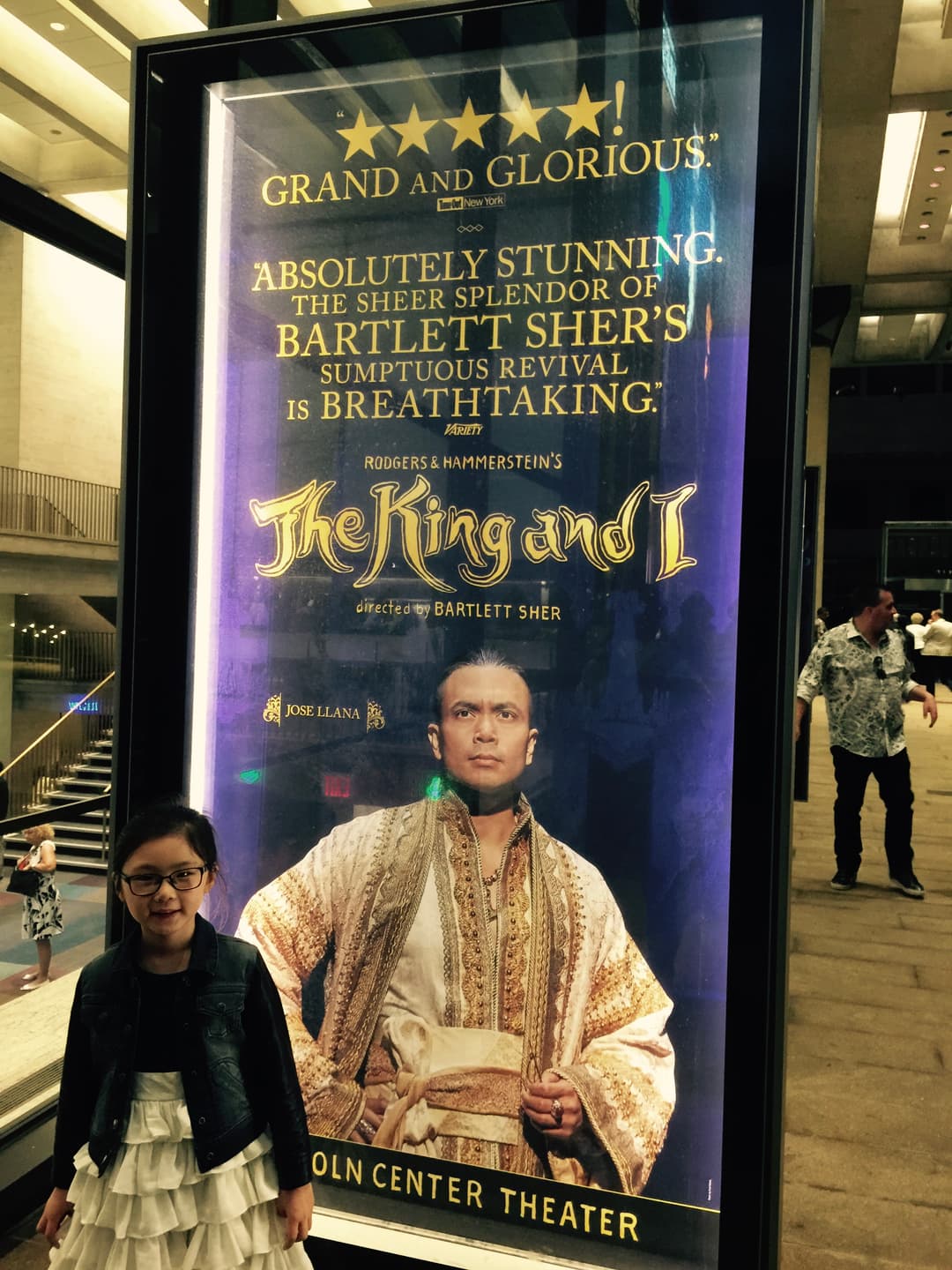
The King and I
1951 · Attended Revival
Gallery II · 1954
My Broadway
Music and Lyrics by Richard Adler and Jerry Ross · Book by George Abbott and Richard Bissell
Researched Original
The Pajama Game
1954 · Researched Original
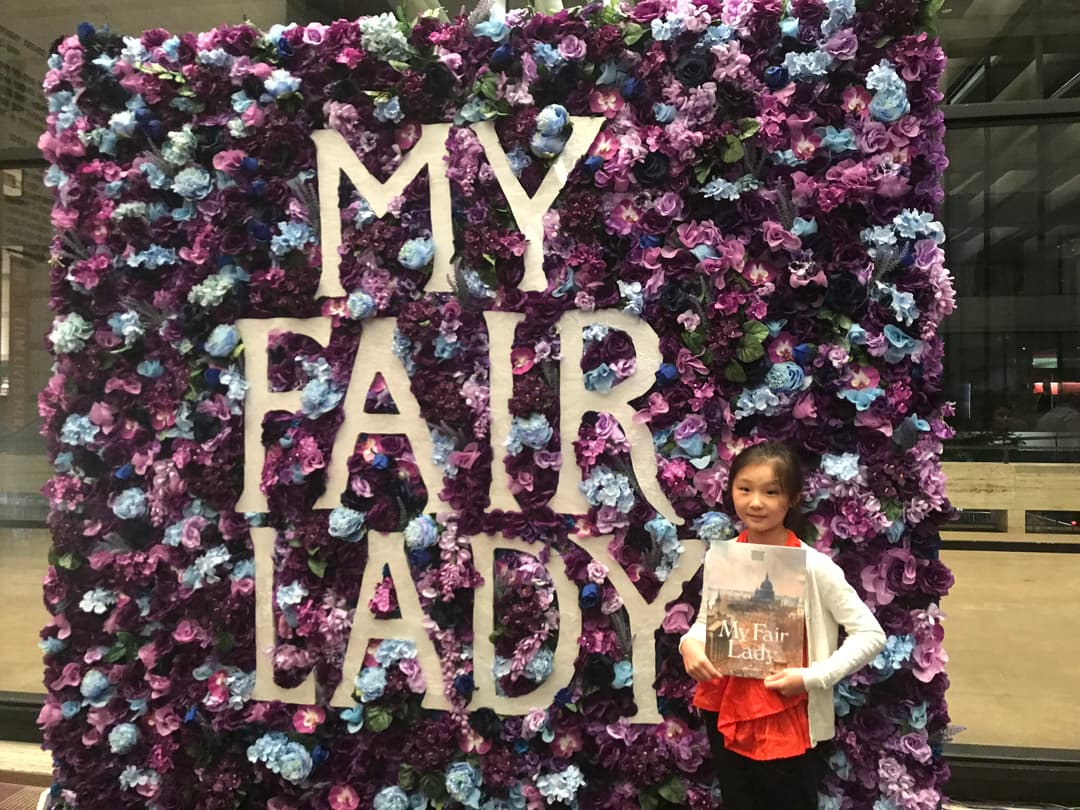
My Fair Lady
1956 · Attended Revival
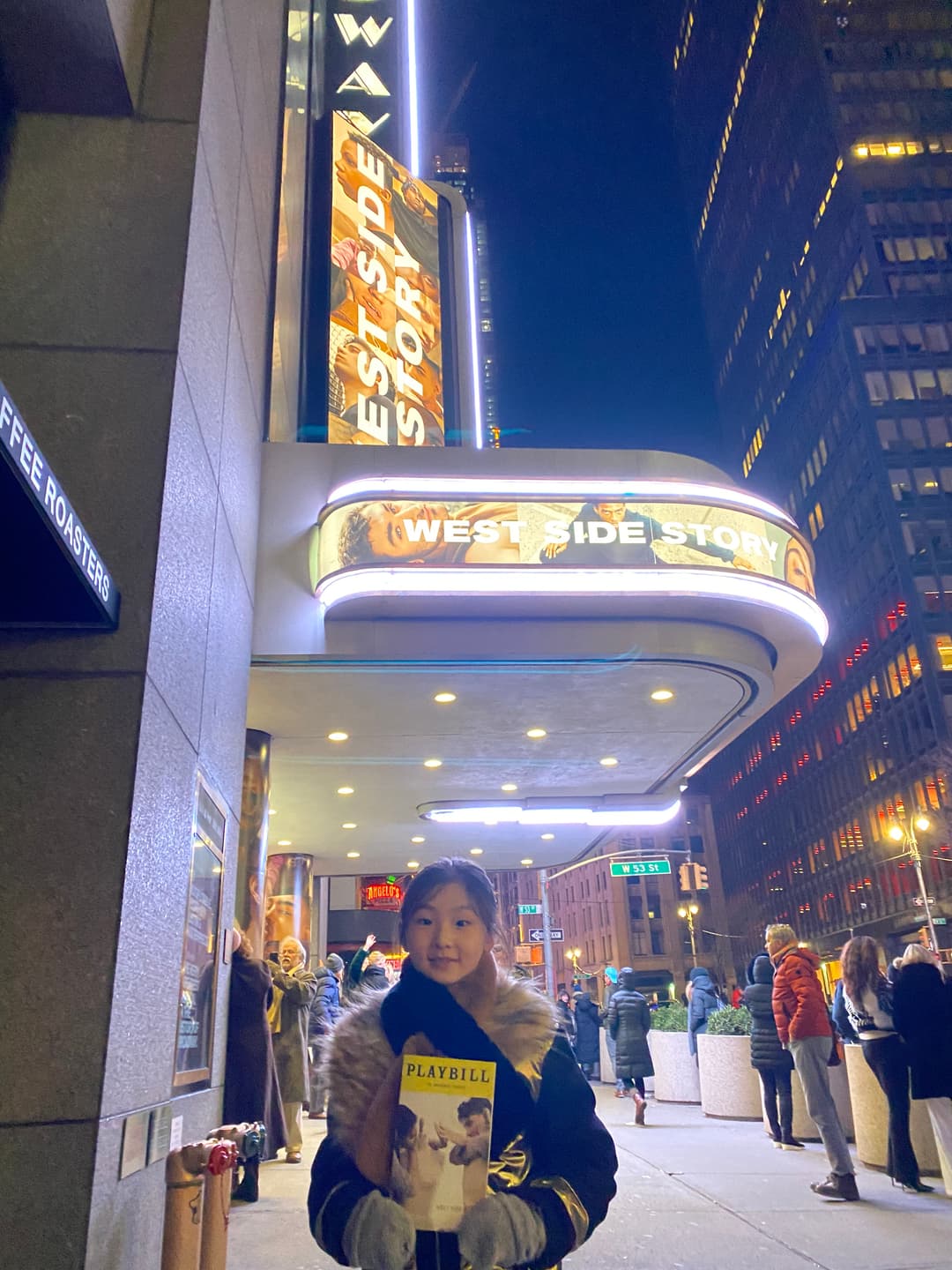
West Side Story
1957 · Attended Revival
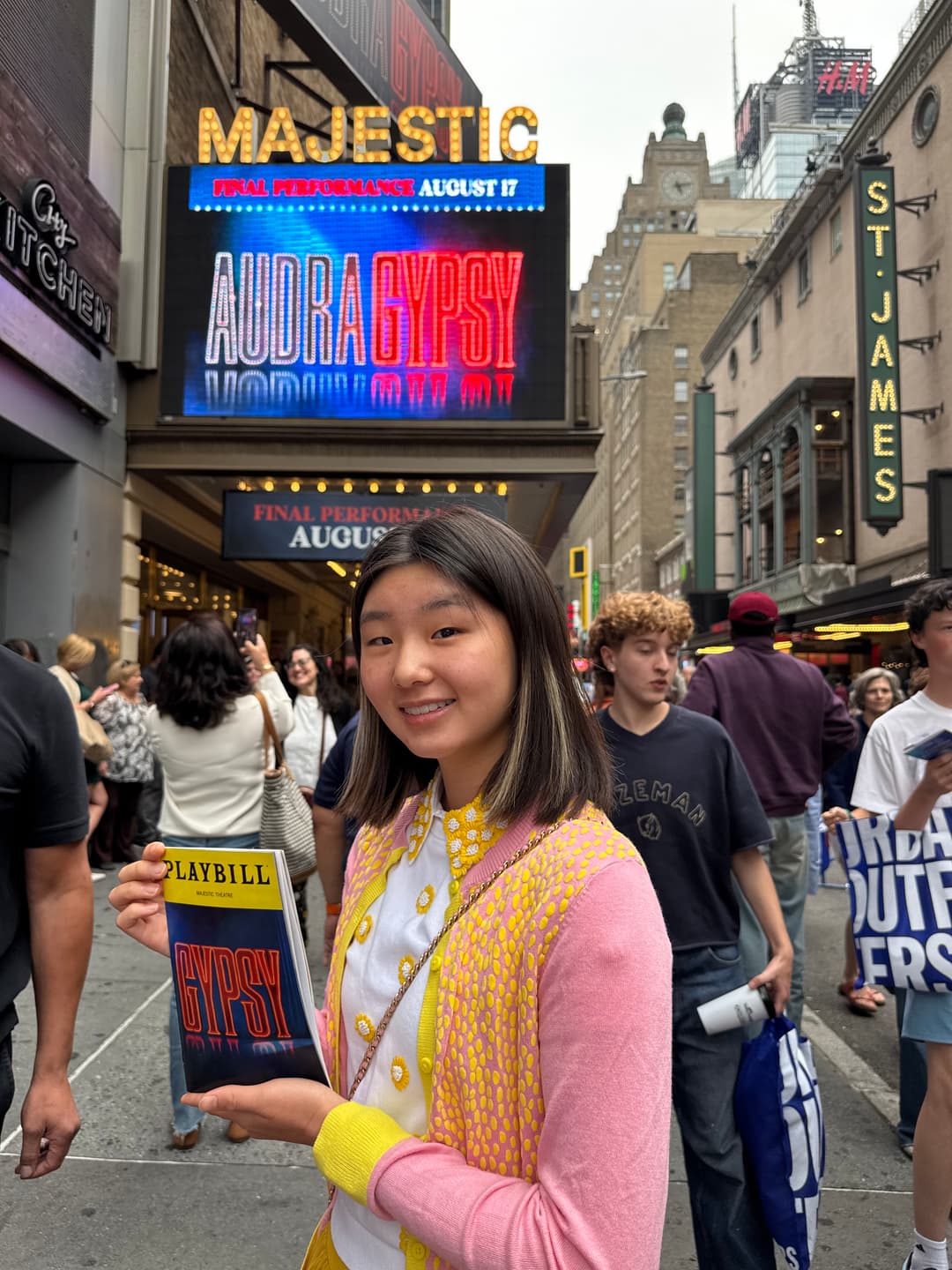
Gypsy
1959 · Attended Revival
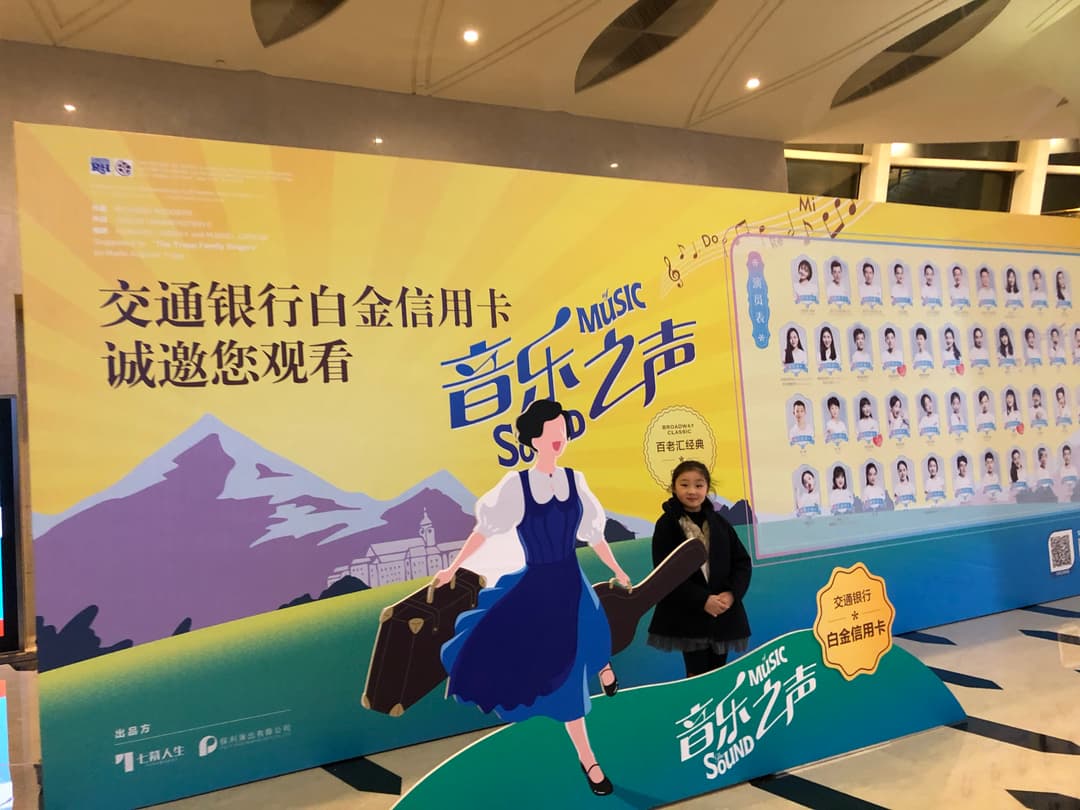
The Sound of Music
1959 · Attended Revival