Overview
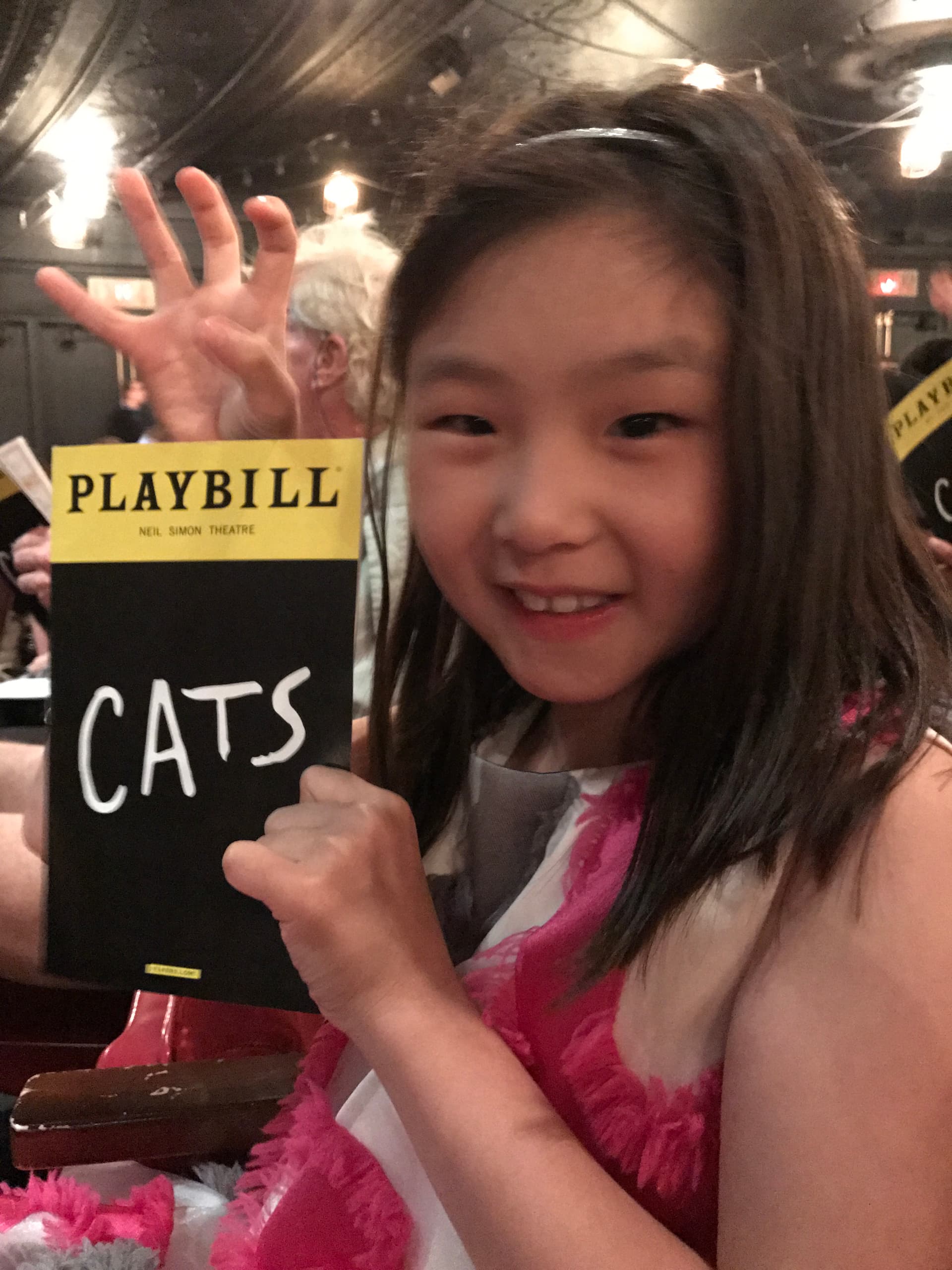
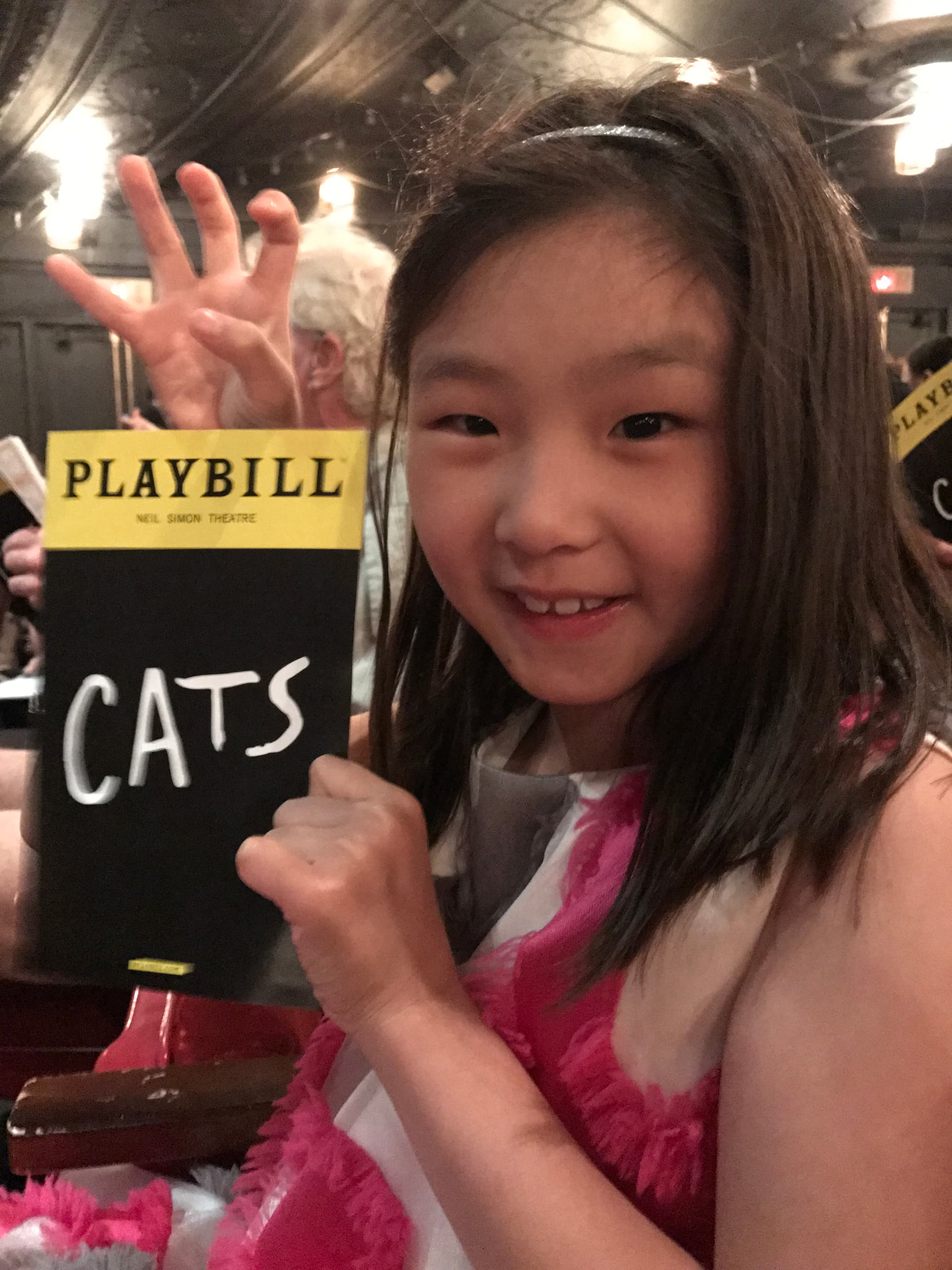
When Cats opened at the Winter Garden Theatre on October 7, 1982, it challenged a basic assumption about what a Broadway musical needed: a conventional plot. Based on T. S. Eliot's 1939 poetry collection Old Possum’s Book of Practical Cats, the musical gathers a tribe of cats—the Jellicles—for an annual nighttime celebration, the Jellicle Ball. One after another, the cats introduce themselves through songs, movement, and theatrical set pieces. By the end of the evening, their leader Old Deuteronomy will choose one cat to ascend to the Heaviside Layer and begin a new life. Among them is Grizabella, once glamorous but now isolated from the tribe. Rejected repeatedly throughout the evening, she returns near the end to sing “Memory.” Her longing for acceptance gives an otherwise episodic musical its emotional center. Other characters—including Rum Tum Tugger, Mr. Mistoffelees, Jennyanydots, Bustopher Jones, and Macavity—are defined less through a developing narrative than through distinctive musical and physical identities. Cats therefore functions almost as a collection of theatrical portraits. Its story is simple; its world is the event.
Historical Era
Cats arrived on Broadway in 1982, after premiering in London the previous year, at the beginning of a major transformation in the economics and scale of commercial musical theatre.
During the 1970s, shows such as Company, A Chorus Line, and Sweeney Todd had experimented with structure and subject matter. In the 1980s, Broadway increasingly became home to large-scale international productions characterized by spectacular design, recognizable visual identities, long runs, and the ability to reproduce themselves around the world. Cats became one of the defining works of this new era: the megamusical. Its British origins were also significant. Along with later productions such as Les Misérables, The Phantom of the Opera, and Miss Saigon, its success helped establish a period in which British-created musicals became dominant forces on Broadway. Broadway was becoming increasingly global, spectacular, and commercially scalable.
Historical & Cultural Context
The source material was an unlikely choice for a blockbuster musical. T. S. Eliot's Old Possum’s Book of Practical Cats consists largely of playful poems about individual cats. There is no conventional overarching story from which to build a musical. Andrew Lloyd Webber initially began setting Eliot's poems to music as an experiment. Director Trevor Nunn and the creative team then developed a theatrical framework that could connect them. The result shifted emphasis away from plot and toward character, atmosphere, music, movement, and ritual. That makes Cats an interesting counterpoint to the integrated musical tradition. Rodgers and Hammerstein had helped establish the idea that every song and dance should advance character or story. Cats demonstrated that a musical could instead build its identity through an immersive theatrical world. Its cats do not need elaborate psychological backstories. They exist through how they sound, move, dress, and occupy space.
Production Innovation
The most revolutionary aspect of Cats was its creation of a total theatrical environment. Designer John Napier transformed the Winter Garden Theatre into an enormous junkyard constructed from objects scaled to make the audience experience the environment from a cat's perspective. The design extended beyond the conventional stage, weakening the boundary between theatrical space and audience space. Gillian Lynne's choreography was equally essential. Performers did not simply wear cat costumes while dancing like humans; movement established feline behavior and individual personality. The ensemble prowled, stretched, watched, and reacted as a collective organism.
The show also rejected a conventional division between “book scenes” and musical numbers. Music flows through much of the evening, giving Cats the quality of a dance-theatre spectacle or ritual. Then there is “Memory.” With lyrics adapted in part from Eliot-inspired material by Trevor Nunn, the song gives Grizabella a degree of emotional interiority that most characters do not possess. Her plea to be remembered and accepted provides a human emotional entry point into the show's fantastical world. The contrast is important: amid enormous spectacle, Cats ultimately depends upon one isolated figure asking to belong.
Historical Significance
Cats became a theatrical phenomenon. The original Broadway production won seven Tony Awards, including the 1983 Tony Award for Best Musical, and ran for 7,485 performances before closing in 2000. In 1997, it surpassed A Chorus Line to become the longest-running production in Broadway history, a record it held until The Phantom of the Opera surpassed it in 2006. But its importance goes beyond longevity. Producer Cameron Mackintosh and the creative team demonstrated that a musical could operate as a recognizable global brand. Its distinctive cat-eye logo, tagline—“Now and Forever”—visual design, choreography, and staging could be reproduced internationally while maintaining a consistent identity. That model helped redefine the commercial possibilities of musical theatre. A successful Broadway or West End musical no longer needed to be primarily a New York or London production. It could become a global theatrical franchise. The show's influence can therefore be seen in the megamusicals that followed, particularly Les Misérables, The Phantom of the Opera, and Miss Saigon. At the same time, Cats remains one of Broadway's most polarizing landmarks. Its minimal plot and unusual premise have inspired both devotion and parody. The widely criticized 2019 film adaptation only intensified its strange place in popular culture. Yet its theatrical achievement remains difficult to dismiss. Cats proved that audiences could be drawn not primarily by narrative but by the promise of entering a world they could experience nowhere else.
Why It Resonates With Me
What interests me about Cats is that its importance comes from something completely different from many of the musicals before it. Company revolutionized structure; Sweeney Todd expanded psychological
and musical complexity; A Chorus Line exposed the people behind theatrical performance. Cats asks what happens when the theatrical experience itself becomes the attraction. Beneath all that spectacle, though, “Memory” gives the show a surprisingly simple emotional center: Grizabella wants to be seen and welcomed back. That combination of enormous theatrical scale and a basic human desire for belonging helps explain why such an unusual musical became one of Broadway's defining phenomena.