Overview
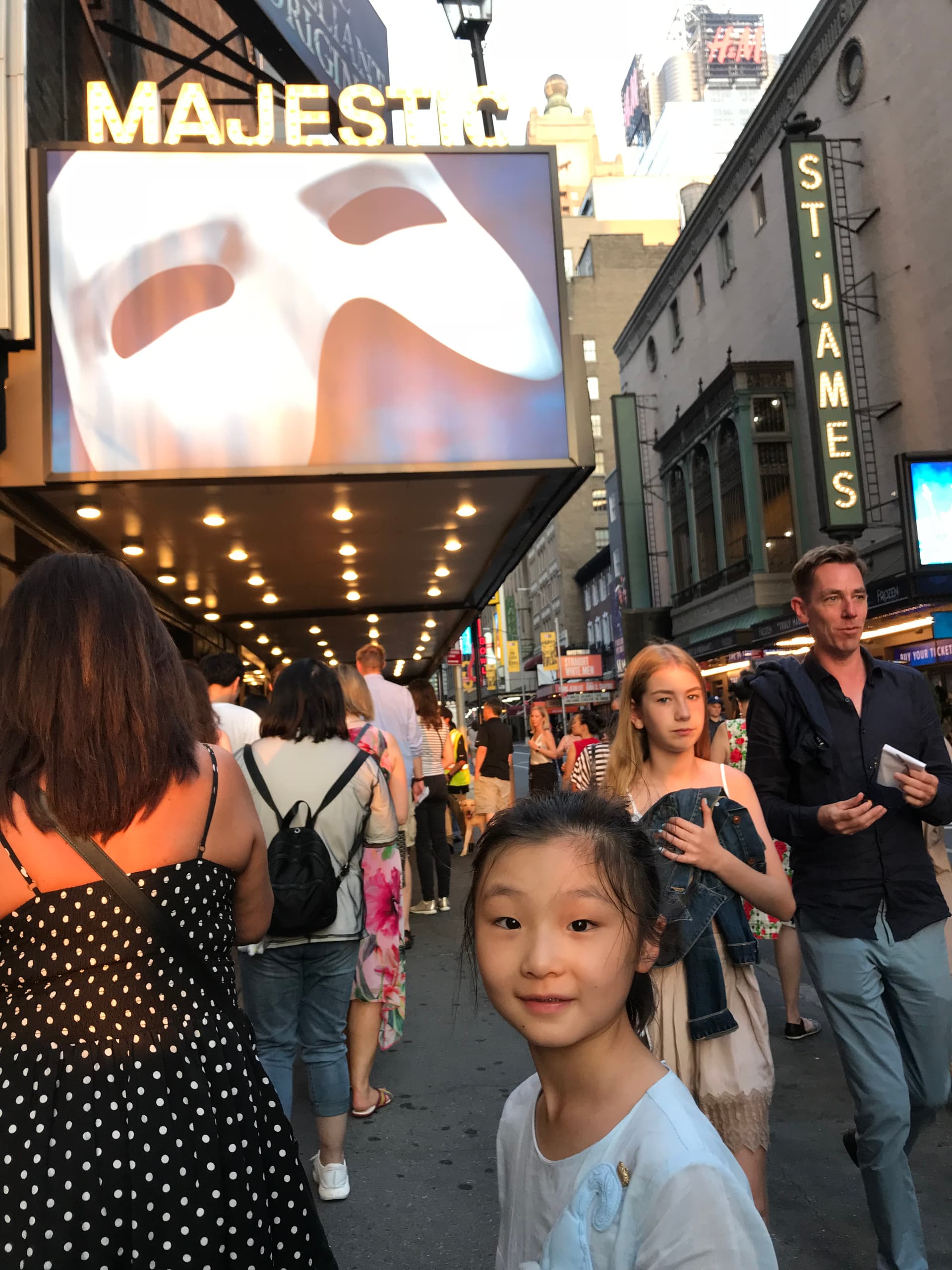
When The Phantom of the Opera opened at the Majestic Theatre on January 26, 1988, it offered Broadway one of the clearest expressions of the megamusical: sweeping music, monumental scenery, theatrical illusion, romance, and spectacle designed to overwhelm the senses. Set inside the Paris Opéra in the late nineteenth century, the musical follows Christine Daaé, a young soprano whose extraordinary development has been secretly guided by a mysterious teacher she believes may be the “Angel of Music” described by her late father. Her teacher is actually the Phantom, a disfigured musical genius who lives beneath the opera house and terrorizes its inhabitants. When Christine reconnects with her childhood friend Raoul, the Phantom's mentorship becomes possessive obsession. He demands control over Christine's career and affection while manipulating the opera company through threats, violence, and spectacular theatrical interventions. Songs including “The Music of the Night,” “All I Ask of You,” “Think of Me,” “Masquerade,” and the title song became some of Andrew Lloyd Webber's most recognizable music. But beneath its Gothic romance is a story about artistic control, obsession, spectacle, and the dangerous boundary between inspiring another person's talent and attempting to possess it.
Historical Era
The Phantom of the Opera arrived on Broadway in 1988, after premiering in London's West End in 1986, during the height of the international megamusical era. Cats had demonstrated that a British musical could become a global theatrical brand. Les Misérables followed with enormous success, and Phantom expanded that model further.
These productions were distinguished by more than large budgets. They combined memorable visual symbols, emotionally expansive scores, elaborate technical effects, and productions that could be reproduced with remarkable consistency across countries. The chandelier of Phantom, the barricade of Les Misérables, and the cat's-eye logo of Cats became instantly recognizable images. Broadway was increasingly becoming part of a global theatrical marketplace, and Phantom would become one of its most successful exports.
Historical & Cultural Context
Gaston Leroux's original novel emerged from a fascination with the real Palais Garnier, the great Paris opera house completed in the nineteenth century. The building itself almost functions as a character in the musical. Public spaces of chandeliers, staircases, costumes, and performance exist above a hidden underground world of tunnels, shadows, and secrets. That division reflects the Phantom himself. He possesses extraordinary musical ability but has been excluded from ordinary society because of his appearance. He creates beauty while living physically beneath the institution that produces it. The musical encourages audiences to sympathize with his isolation, but it also makes clear that suffering does not justify his attempts to control Christine. That tension has become increasingly important in modern interpretations. Christine is not merely choosing between two romantic men. She is also trying to establish ownership over her own artistic identity. The Phantom believes that because he helped develop her voice, he has a claim over the person who possesses it. The musical ultimately tests the difference between artistic mentorship and possession.
Production Innovation
Phantom became famous for making stage machinery part of the emotional experience. Designer Maria Björnson created an extraordinarily detailed world of opera-house grandeur and Gothic fantasy, while Harold Prince's direction allowed the production to move fluidly between backstage realism and theatrical illusion. The most famous effect is the chandelier. At the beginning, an auctioneer reveals the ruined remains of the old opera house. As the chandelier rises and the overture explodes through the theater, the past appears to reconstruct itself before the audience. Dust and decay give way to color, light, and movement.
The sequence establishes one of the musical's central ideas: theater can resurrect a world that no longer exists. Later, candles rise from the stage as Christine travels across an underground lake toward the Phantom's lair. The sequence creates an image that became one of the defining visual moments of 1980s musical theatre. Technology does not merely support the storytelling. The audience's astonishment at what the stage can do becomes part of the story's fascination with illusion.
Historical Significance
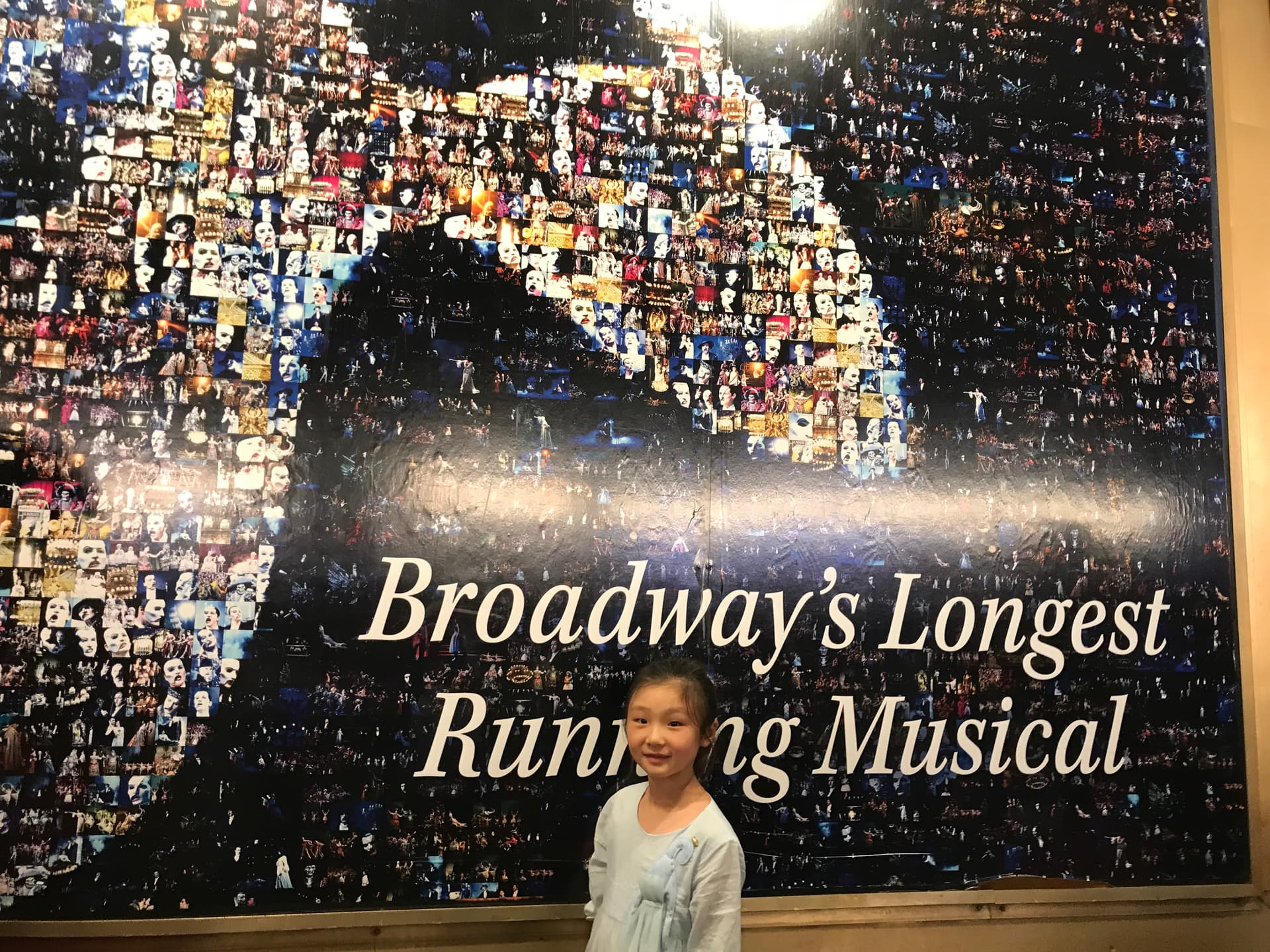
The original Broadway production starred Michael Crawford as the Phantom and Sarah Brightman as Christine and won seven Tony Awards, including the 1988 Tony Award for Best Musical. Its commercial history became extraordinary. The Phantom of the Opera eventually surpassed Cats to become the longest-running Broadway production in history. When it closed at the Majestic Theatre on April 16, 2023, it had played 13,981 performances across more than thirty-five years. For generations of theatergoers, Phantom was therefore not simply a Broadway show. It was part of Broadway's physical identity. Its longevity also demonstrated the economic power of the megamusical. A production could develop a standardized visual and musical identity, travel internationally, generate cast recordings and merchandise, and remain recognizable across decades. Andrew Lloyd Webber became one of the central figures of this era, while producer Cameron Mackintosh helped establish a model of global musical-theatre production that fundamentally changed the commercial industry. Yet Phantom also demonstrates why spectacle alone cannot explain the success of the megamusical. Audiences returned not simply to see a chandelier fall but to experience a combination of music, romance, visual imagery, mystery, and emotional scale. The chandelier became memorable because the entire production taught audiences what it represented.
Why It Resonates With Me
What fascinates me about The Phantom of the Opera is how completely it uses the theater itself as part of the story. The audience watches an opera inside a musical while scenery, costumes, lighting, music, and stage machinery constantly remind us of theater's ability to create illusion. The Phantom understands that power better than anyone—he can manipulate what people hear and see—but his tragedy is that he eventually tries to control Christine in the same way. For me, Phantom captures both sides of theatrical
creation: the extraordinary power of an artist to shape an audience's experience, and the danger of believing that creating beauty gives you ownership over the people who help create it.