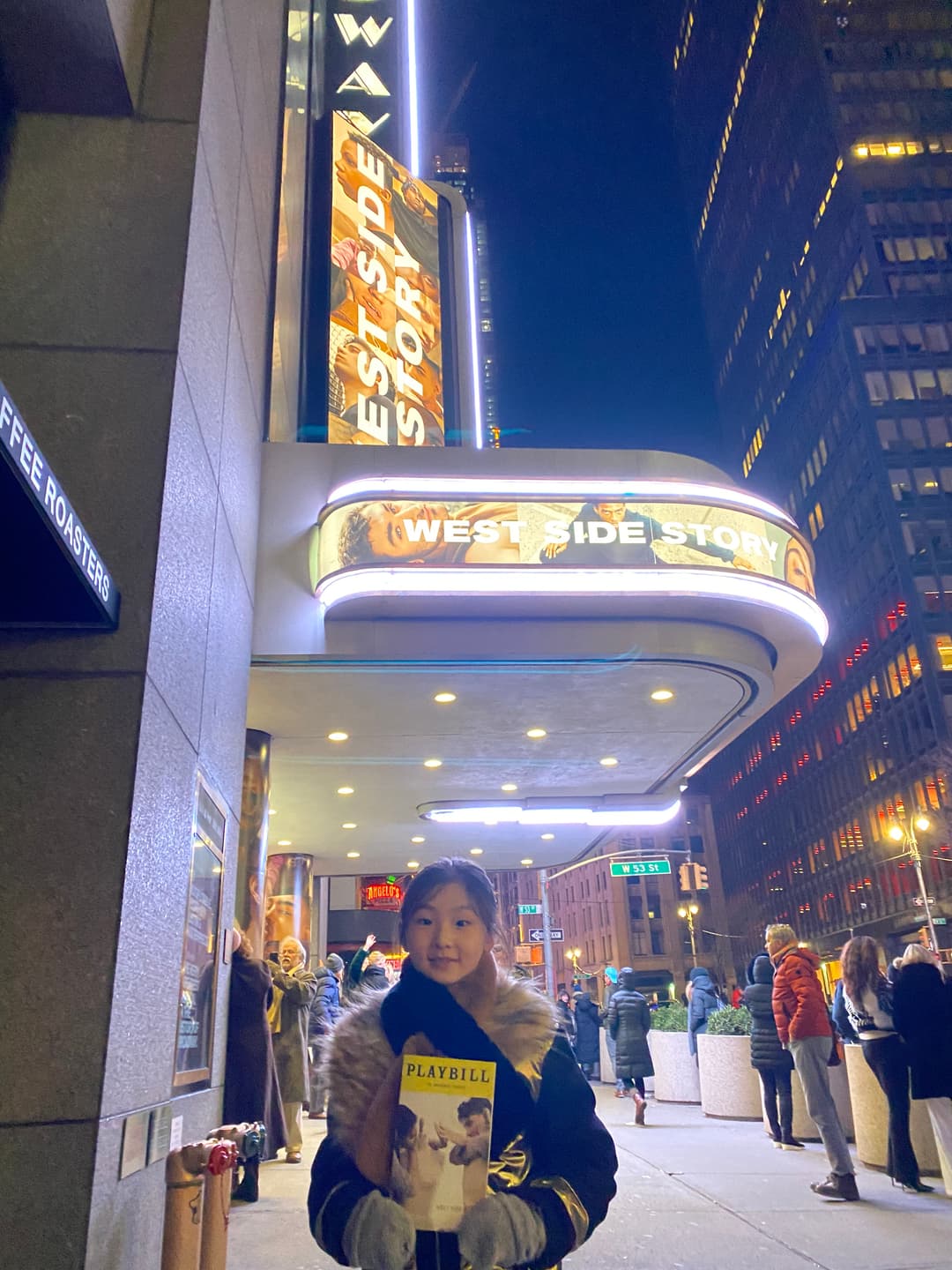
West Side Story
1957 · Attended Revival
An argument, not a summary
Who Gets the American Dream?
Who Gets the American Dream? Perhaps the most persistent contradiction running through American musicals is the distance between the promise of opportunity and the unequal reality of who receives it. West Side Story places young people inside neighborhoods divided by race, ethnicity, poverty, and territorial conflict.
A Chorus Line reveals the economic vulnerability underneath theatrical glamour: dozens of extraordinarily talented performers compete for a handful of jobs. Rent places artists within a New York transformed by AIDS, poverty, and gentrification. In the Heights asks whether a community can survive when the people who created it can no longer afford to remain. The Outsiders makes class difference visible through teenagers: the Greasers and Socs live in the same city but inhabit radically different versions of America. And Hamilton turns the American promise into its central contradiction. Alexander Hamilton arrives with almost nothing and rises extraordinarily far. But the musical also asks who gets remembered, who gets excluded, and who controls the narrative afterward. The American Dream has always been powerful partly because it promises movement: you can become something other than what you were born into. Broadway repeatedly tests that promise against reality.
Hamilton rises. The chorus of A Chorus Line mostly does not. Rent’s loft is already being priced out. In the Heights asks whether success means leaving the block that made you. The Dream is not a theme Broadway celebrates. It is a claim Broadway cross-examines.
Productions in this argument
West Side Story
1957 · Attended Revival
Gallery III · 1975
My Broadway
Music by Marvin Hamlisch · Lyrics by Edward Kleban
Researched Original
A Chorus Line
1975 · Researched Original
Gallery VII · 1996
My Broadway
Music, Lyrics, and Book by Jonathan Larson · Loosely based on Giacomo Puccini’s La Bohème
Researched Original
Rent
1996 · Researched Original
Gallery VII · 2008
My Broadway
Music and Lyrics by Lin-Manuel Miranda · Book by Quiara Alegría Hudes
Researched Original
In the Heights
2008 · Researched Original
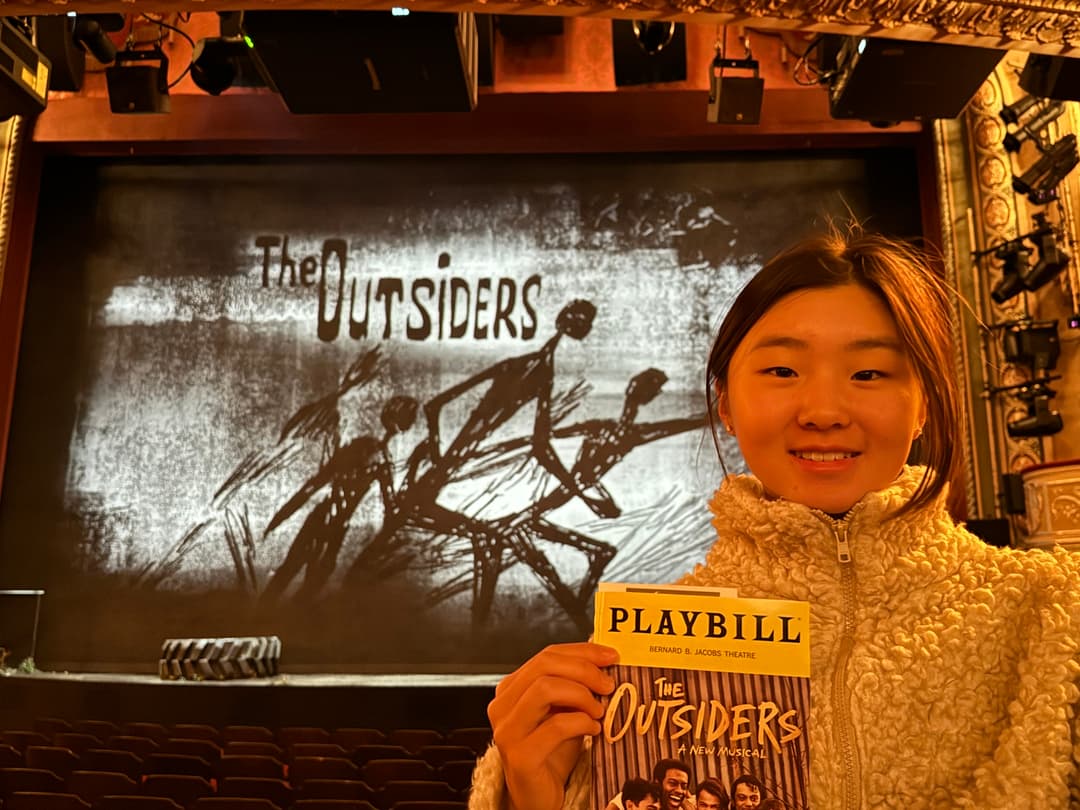
The Outsiders
2024 · Attended Original
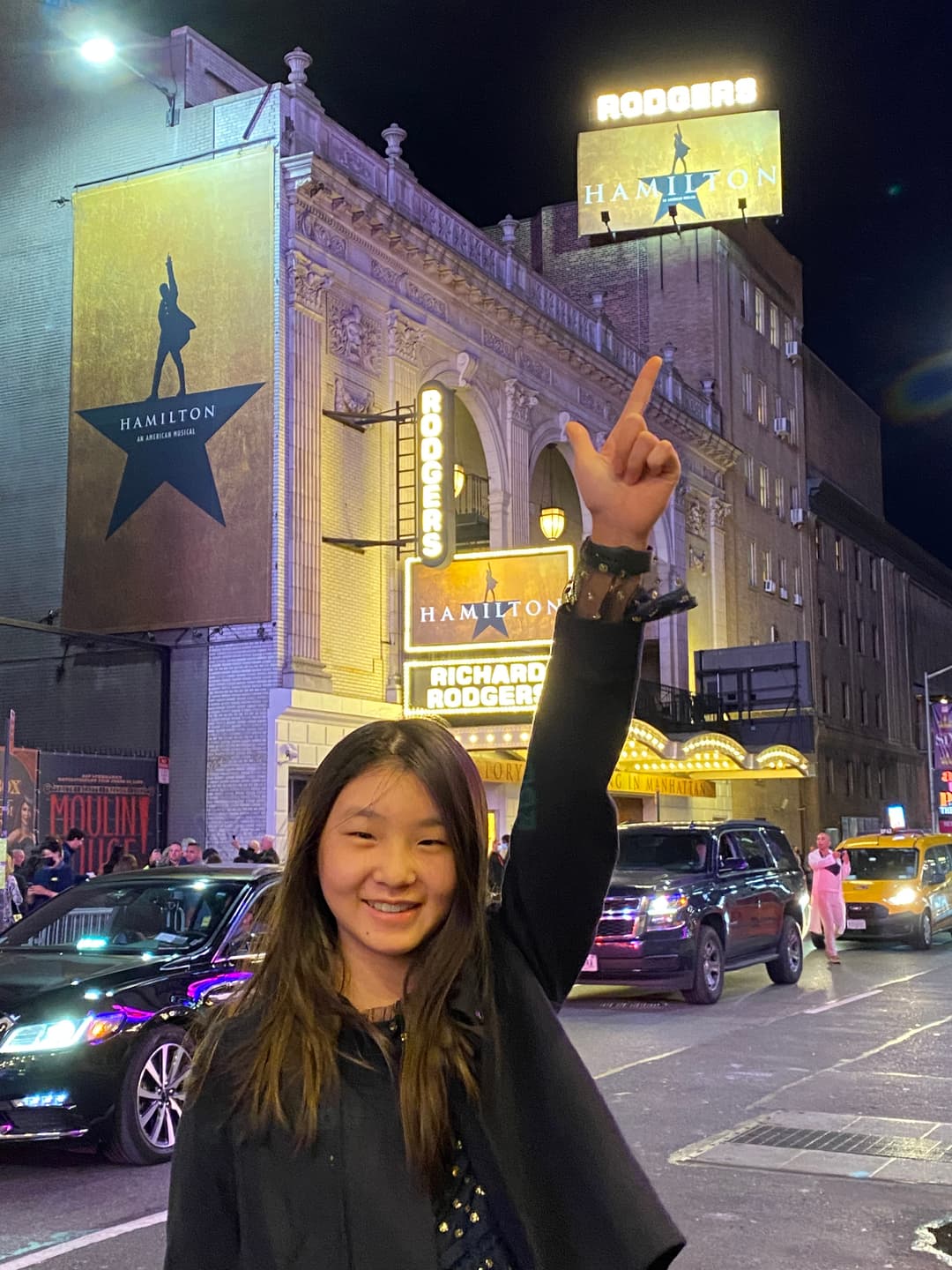
Hamilton
2015 · Attended Original
Immigration
Who Gets to Call America Home?
Race
Whose story is being told—and who is allowed to tell it?
War
What Happens When National History Becomes Personal?
Politics
Who Gets to Write the National Story?
Family
What Does an American Family Look Like?
Gender
Who Is Allowed to Want More?
Technology
What Happens When the World Changes Faster Than We Do?