Gallery I · 1927
My Broadway
Show Boat
Music by Jerome Kern · Book and Lyrics by Oscar Hammerstein II
Researched Original
Show Boat
1927 · Researched Original
An argument, not a summary
Whose story is being told—and who is allowed to tell it?
Who Gets to Be Seen? Broadway's history of race contains both artistic breakthroughs and profound exclusions. Early American popular theater included blackface minstrelsy, one of the most influential and racist entertainment traditions in the country's history. Stereotypes created during that era survived long after minstrel shows themselves declined. Later musicals attempted to confront race more directly. Show Boat was groundbreaking in 1927 for placing interracial relationships, racial identity, and racism within a serious musical narrative. Yet it also contains representations shaped by the racial assumptions of its own period. West Side Story attempted to place Puerto Rican characters at the center of a Broadway tragedy, while its original production simultaneously reflected limitations in casting and representation. Decades later, musicals such as The Color Purple, Hairspray, Ragtime, and Hamilton approached American racial history from dramatically different perspectives.
Hamilton made casting itself part of historical interpretation. Black and Latino performers embodied figures traditionally imagined as white Founding Fathers, allowing contemporary America to physically occupy the story of eighteenth-century America. The history of race on Broadway therefore cannot be told as a simple progression from prejudice to inclusion. Instead, every production raises two questions: Whose story is being told? And: Who is being allowed to tell it?
I do not read this sequence as Broadway becoming innocent. I read it as Broadway becoming self-conscious. Show Boat could put racism onstage and still traffic in the visual language of its decade. Hamilton can recast the Founders and still leave slavery at the edge of the frame. The value of the archive is that both facts remain visible at once.
Productions in this argument
Gallery I · 1927
My Broadway
Music by Jerome Kern · Book and Lyrics by Oscar Hammerstein II
Researched Original
Show Boat
1927 · Researched Original
Gallery II · 1949
My Broadway
Music by Richard Rodgers · Lyrics by Oscar Hammerstein II
Researched Original
South Pacific
1949 · Researched Original
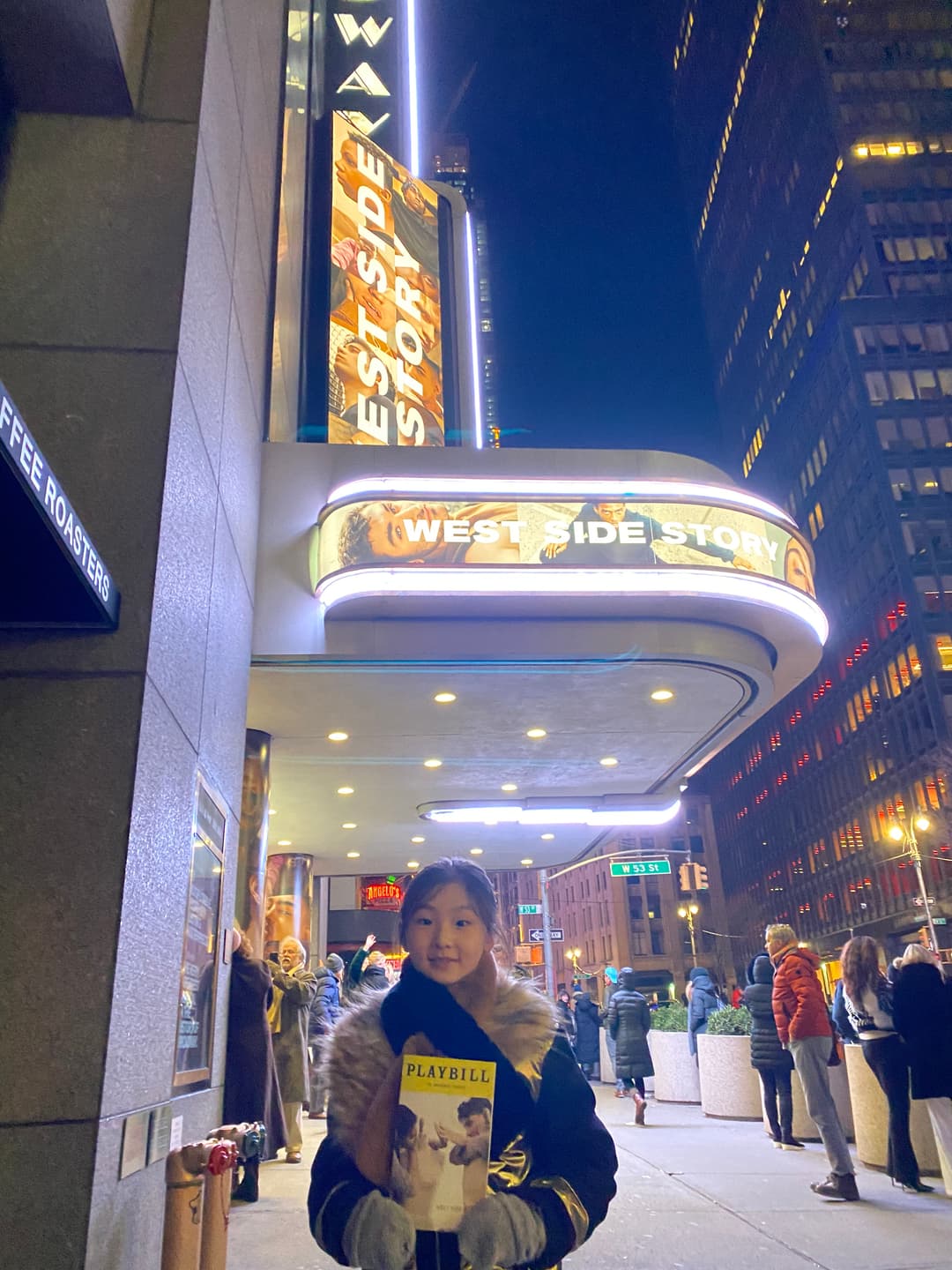
West Side Story
1957 · Attended Revival
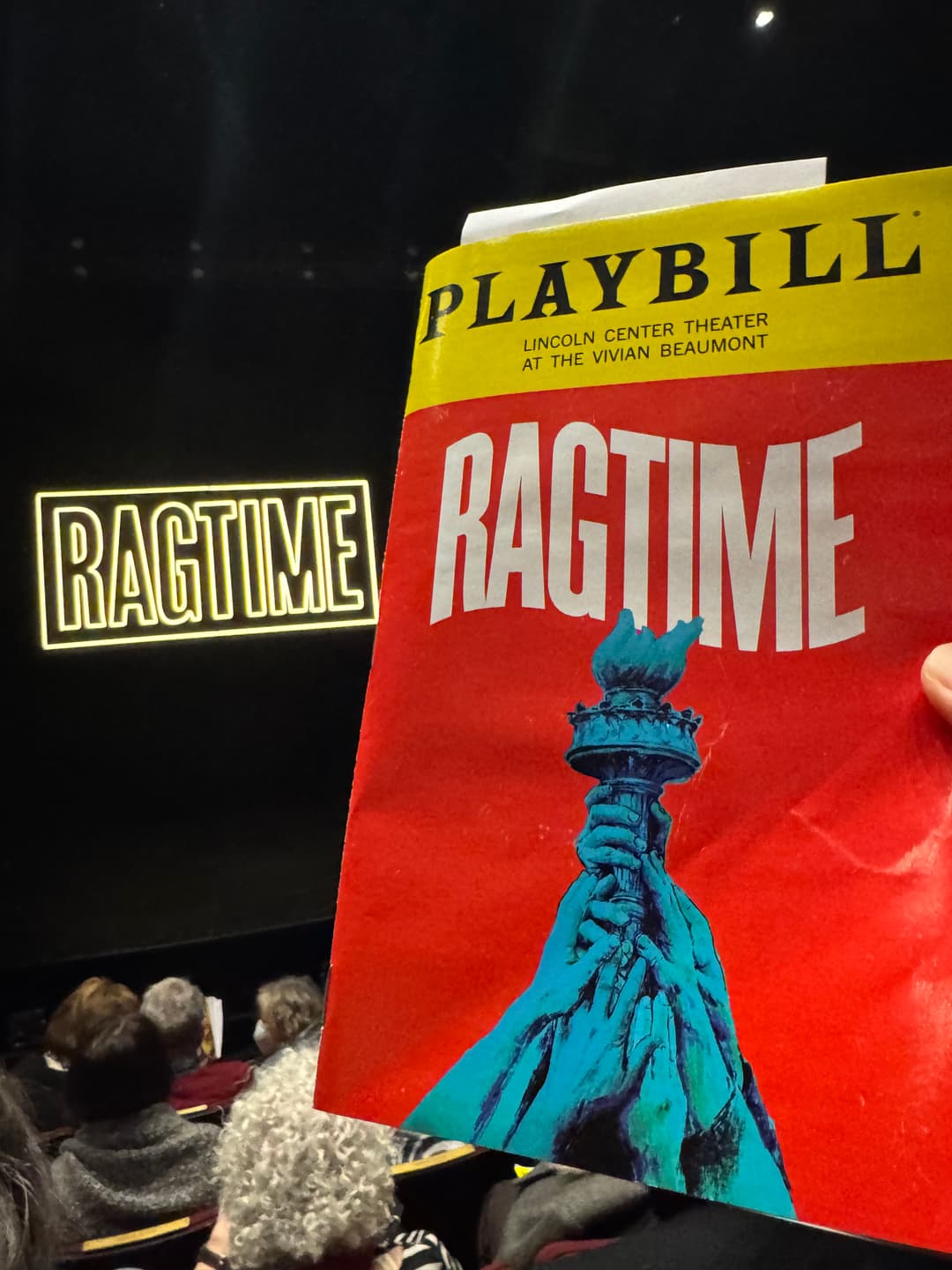
Ragtime
1998 · Attended Revival
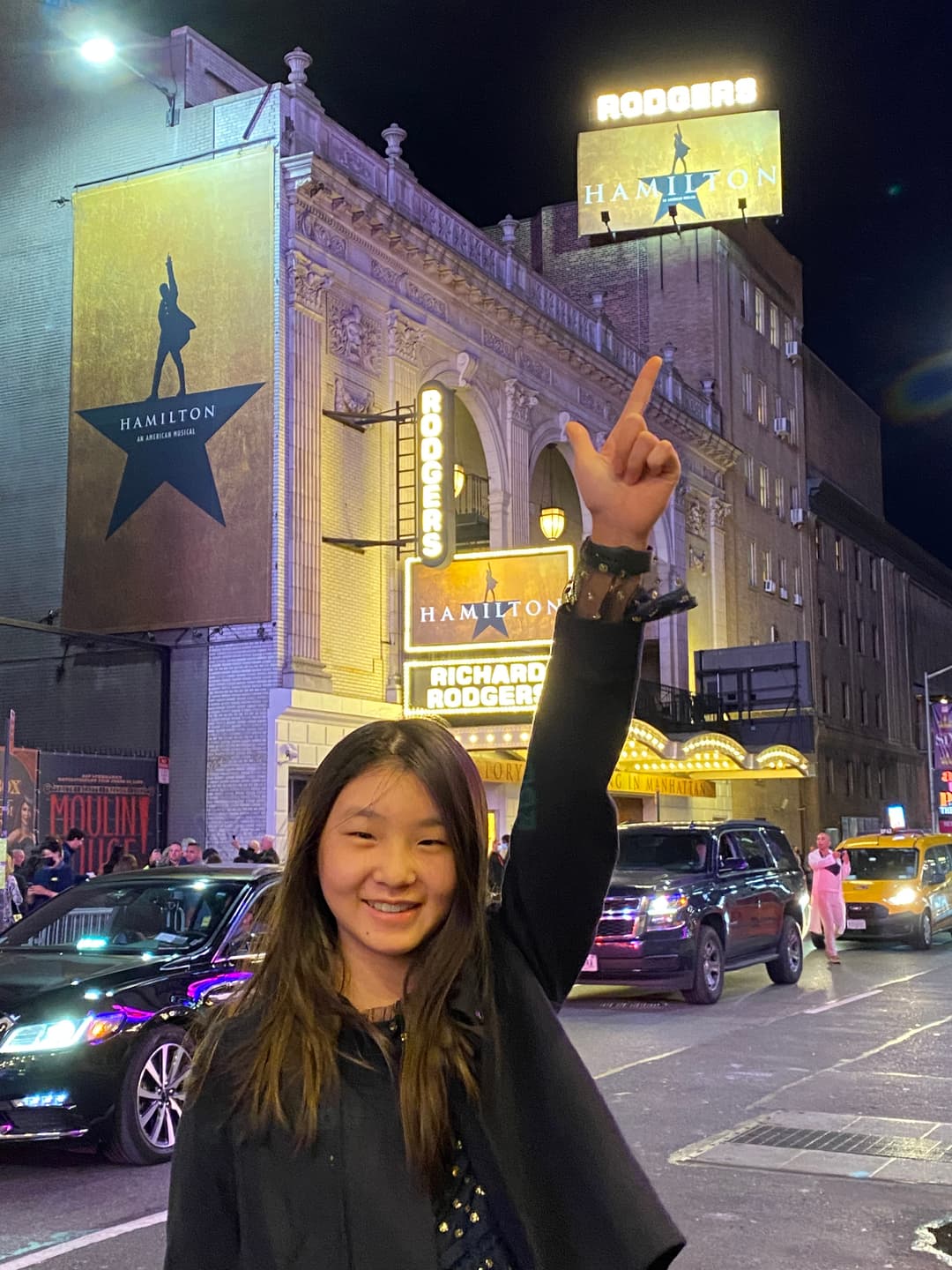
Hamilton
2015 · Attended Original
Immigration
Who Gets to Call America Home?
War
What Happens When National History Becomes Personal?
Politics
Who Gets to Write the National Story?
Family
What Does an American Family Look Like?
Gender
Who Is Allowed to Want More?
Technology
What Happens When the World Changes Faster Than We Do?
Inequality
Who Gets the American Dream?