Gallery III · 1964
My Broadway
Fiddler on the Roof
Music by Jerry Bock · Lyrics by Sheldon Harnick
Researched Original
Fiddler on the Roof
1964 · Researched Original
An argument, not a summary
Who Gets to Call America Home?
Who Gets to Call America Home? Immigration is woven throughout the history of American musical theater because immigration is woven throughout the history of America itself. Broadway was shaped by immigrant artists, particularly Jewish composers, lyricists, producers, and performers whose families had arrived from Europe. Yet for decades, immigrant experiences were often transformed into generalized stories of becoming American rather than examined directly. Fiddler on the Roof changed that relationship.
Tevye's family is forced from Anatevka, making displacement central to the musical's conclusion. The audience knows something the characters cannot: families like theirs will scatter across Europe and America, carrying traditions into new countries. In Ragtime, immigration becomes part of a larger portrait of early twentieth-century America. Tateh arrives as a struggling Jewish immigrant and eventually reinvents himself within the American entertainment industry. His story exists beside those of Black Americans and wealthy white families, revealing that the supposedly unified American experience is actually composed of radically unequal ones. In the Heights moves the question forward another century. Its characters are not simply arriving in America. They have built a community in Washington Heights and must now confront another question: Can you belong somewhere even when economic forces make it increasingly difficult to remain there? Broadway's immigration stories therefore evolve alongside America's. The question moves from How do we become American? to Who gets to define what American means?
What I take from this is not a progress narrative. It is a change in the question. Early musicals often treat arrival as the plot. Later ones treat staying—paying rent, keeping a block, remaining visible—as the harder act. That is a historical argument about the country, not a preference among scores.
Productions in this argument
Gallery III · 1964
My Broadway
Music by Jerry Bock · Lyrics by Sheldon Harnick
Researched Original
Fiddler on the Roof
1964 · Researched Original
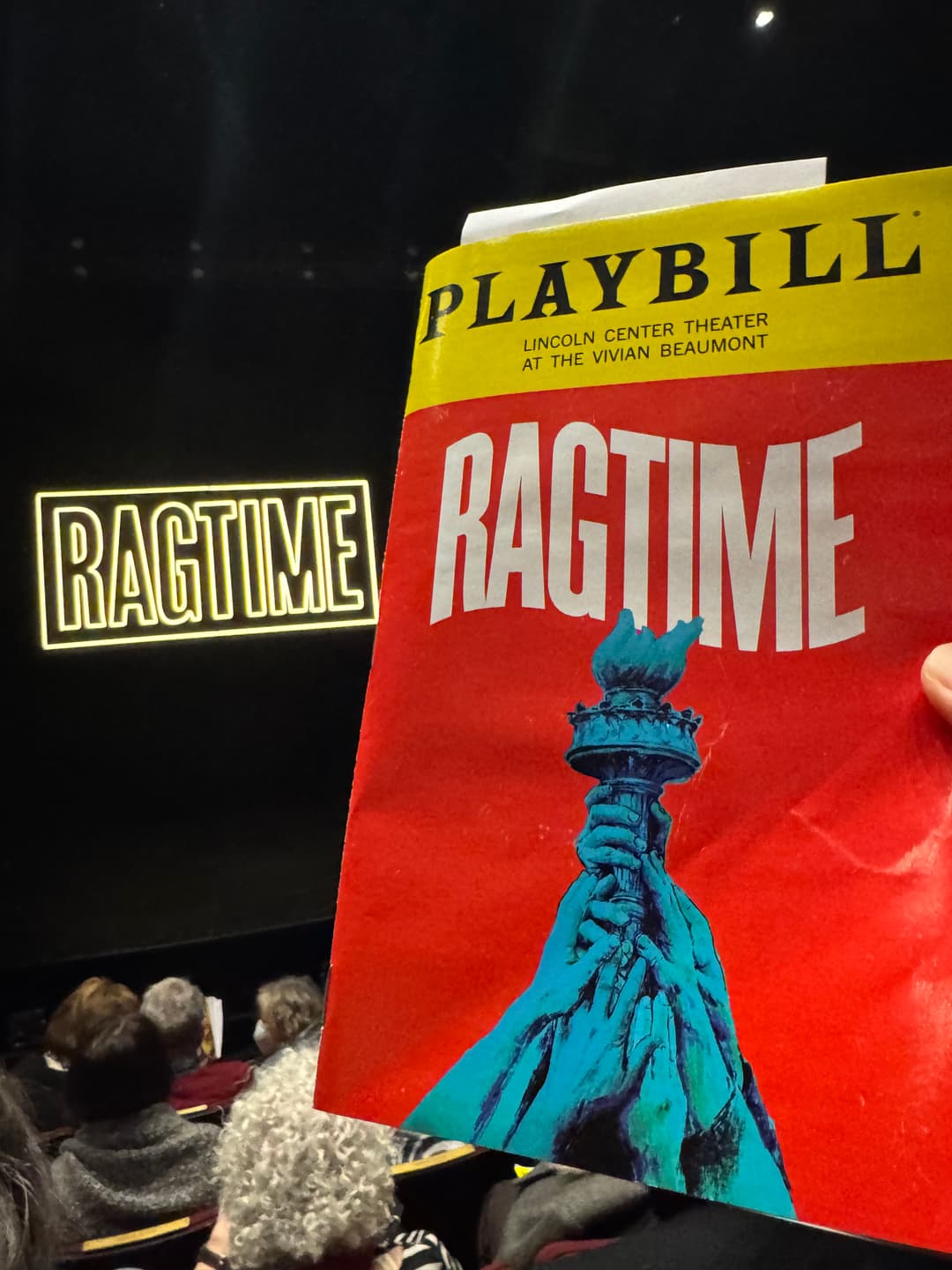
Ragtime
1998 · Attended Revival
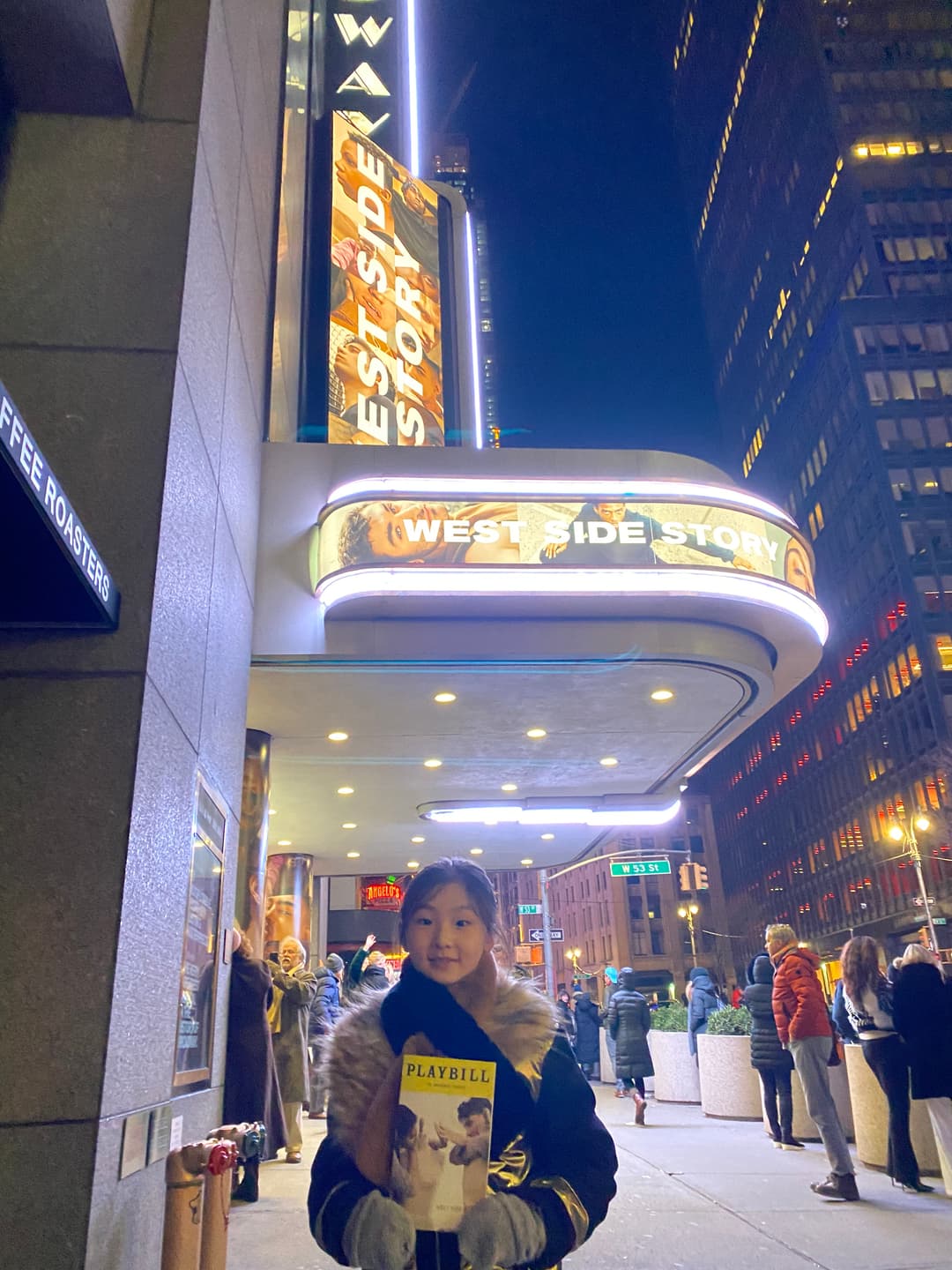
West Side Story
1957 · Attended Revival
Gallery VII · 2008
My Broadway
Music and Lyrics by Lin-Manuel Miranda · Book by Quiara Alegría Hudes
Researched Original
In the Heights
2008 · Researched Original
Race
Whose story is being told—and who is allowed to tell it?
War
What Happens When National History Becomes Personal?
Politics
Who Gets to Write the National Story?
Family
What Does an American Family Look Like?
Gender
Who Is Allowed to Want More?
Technology
What Happens When the World Changes Faster Than We Do?
Inequality
Who Gets the American Dream?