Gypsy
1959 · Attended Revival
An argument, not a summary
Who Is Allowed to Want More?
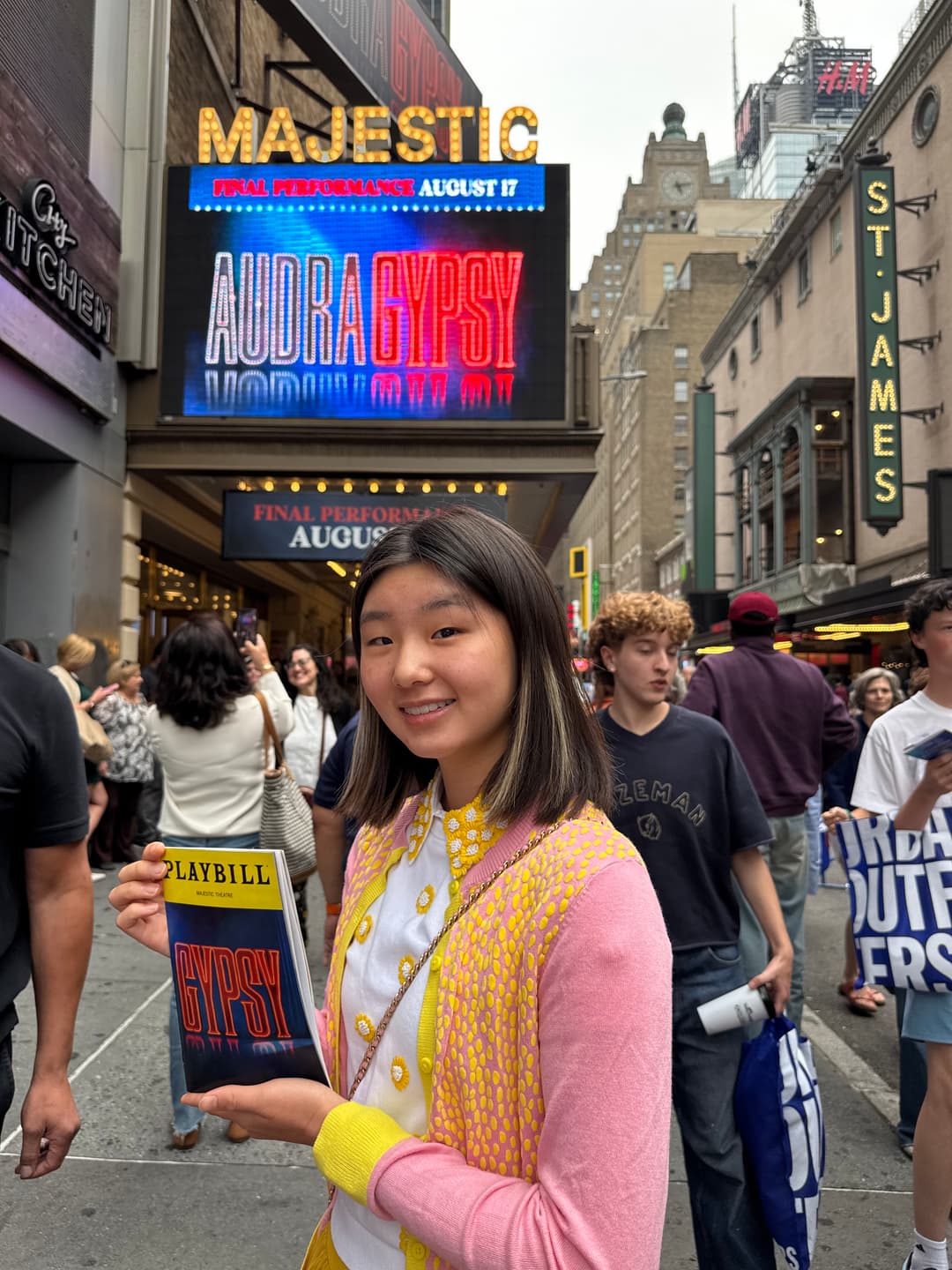
Who Is Allowed to Want More? Broadway heroines have always wanted things. But what they are permitted to want has changed. Earlier musicals frequently organized women's stories around romance and marriage. Over time, female characters increasingly demanded ambitions that existed beyond romantic fulfillment. Rose in Gypsy wants success with an almost terrifying intensity. Eva Perón in Evita wants political and cultural power. Elphaba in Wicked refuses the identity society assigns her. The women of Suffs demand political citizenship. The six wives of SIX reclaim historical identities traditionally defined through their relationships to Henry VIII. Revivals make these changing expectations even more visible. When Bobby became Bobbie in the 2021 Company, the same questions about being unmarried at thirty-five acquired different meanings because the protagonist was now a woman. Gender on Broadway therefore exists not only inside stories. It shapes how audiences interpret ambition, independence, marriage, power, aging, and success.
The 2021 Company is the cleanest proof. The plot barely changes. The permission does. A woman asking whether she wants to be married is not the same cultural object as a man asking the same question in 1970. Broadway’s archive of gender is as much in revivals as in premieres.
Productions in this argument
Gypsy
1959 · Attended Revival

Evita
1979 · Attended Revival
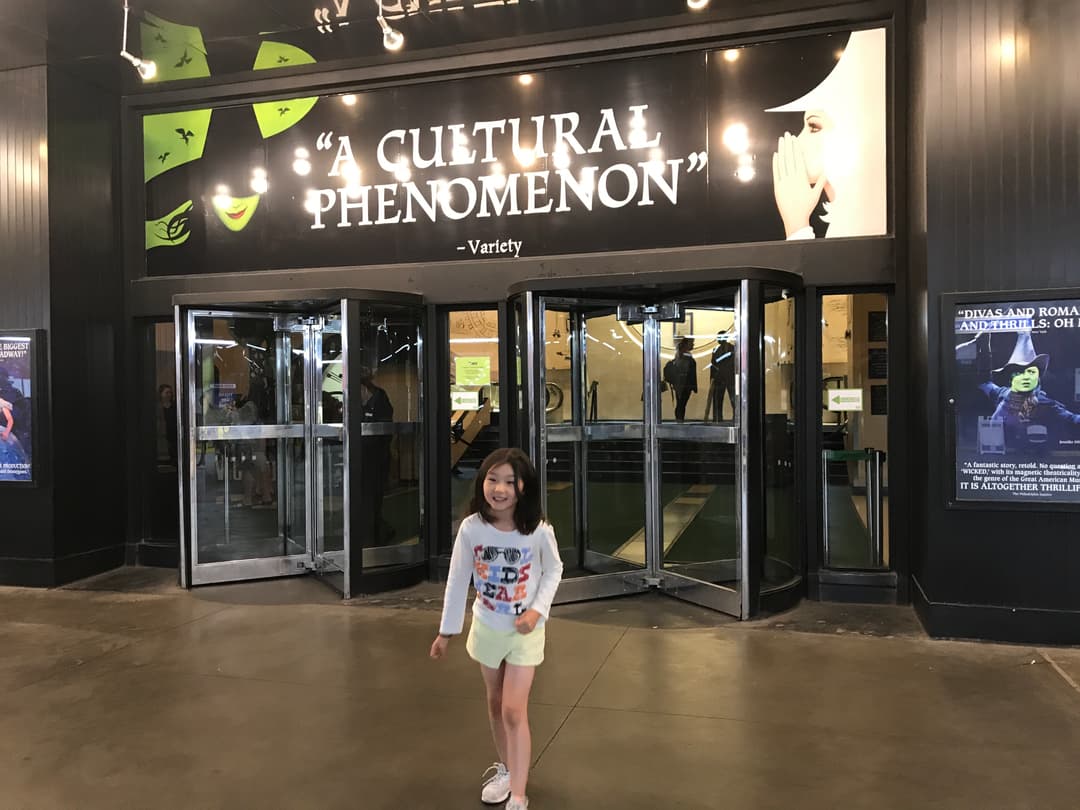
Wicked
2003 · Attended Original
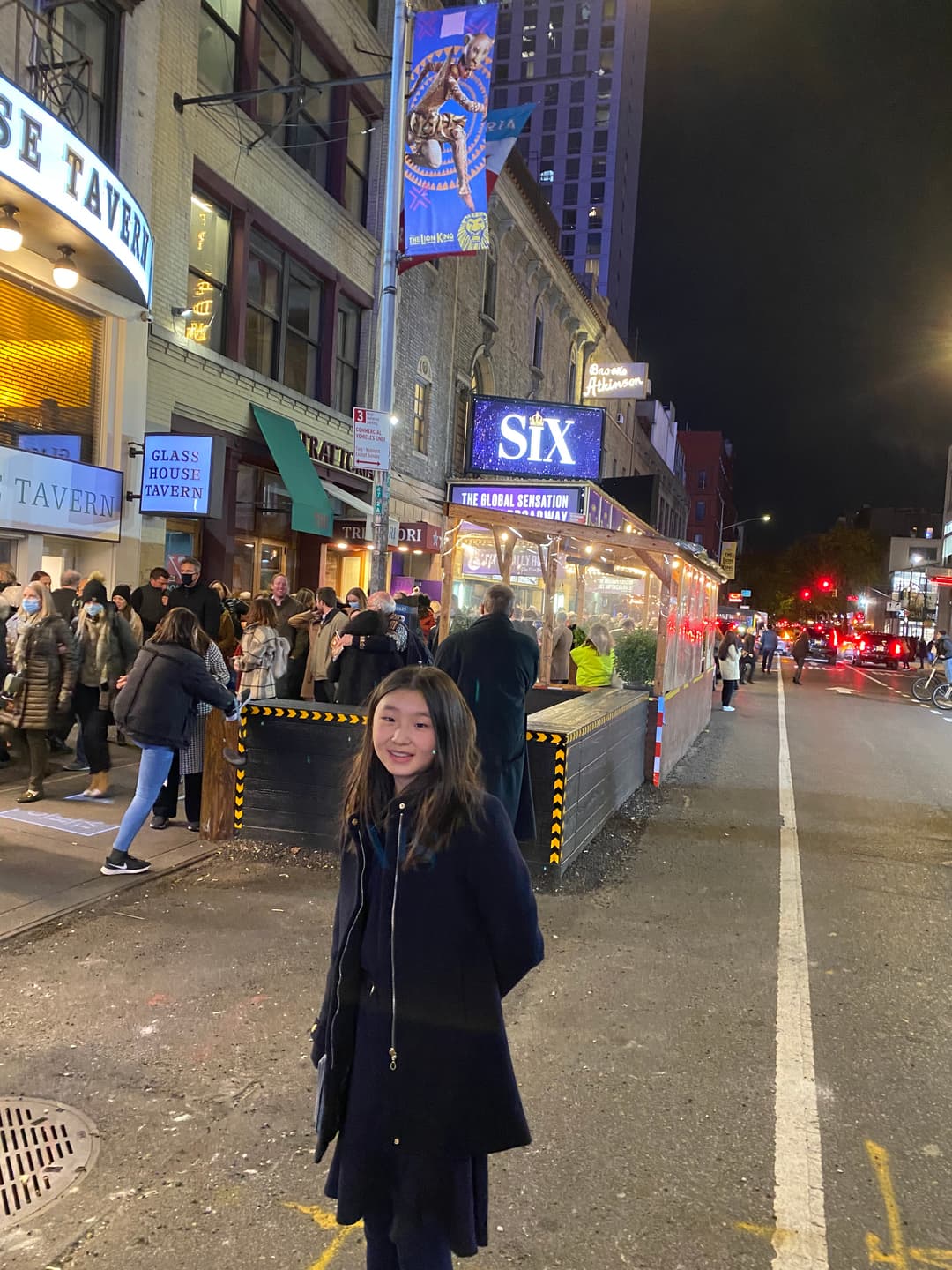
SIX
2021 · Attended Original
Gallery IX · 2024
My Broadway
Book, Music, and Lyrics by Shaina Taub · Originally Directed by Leigh Silverman
Researched Original
Suffs
2024 · Researched Original
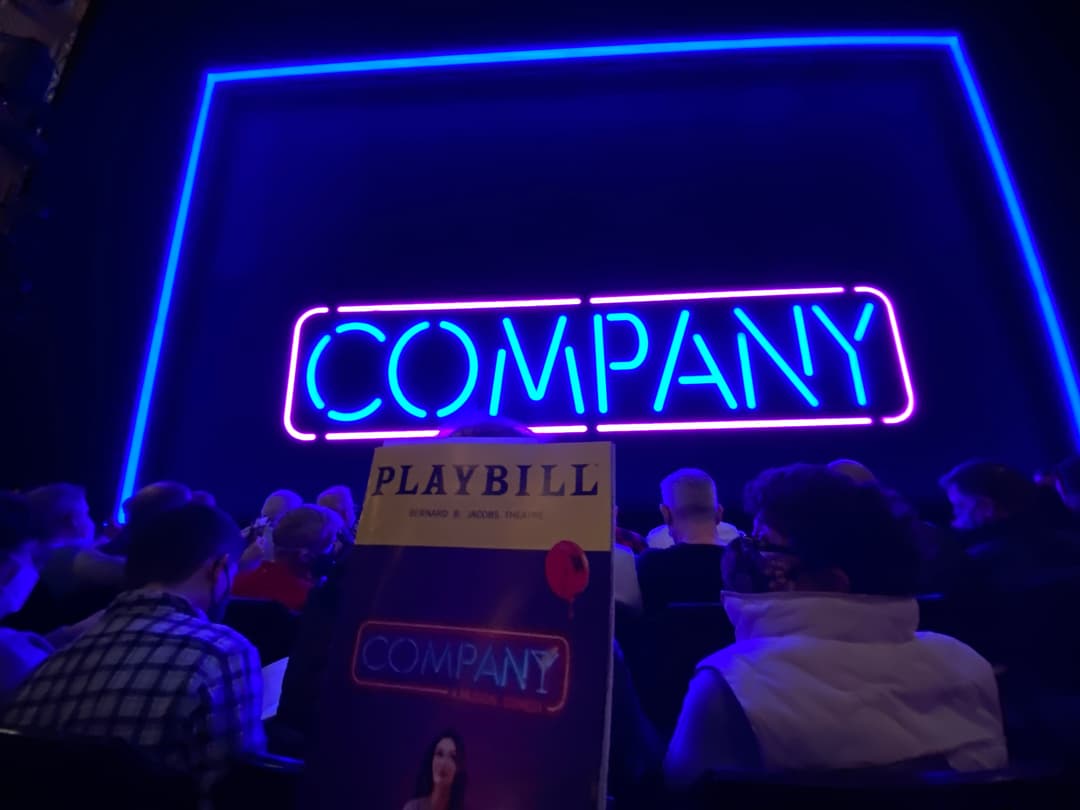
Company
2021 · Attended Revival
Immigration
Who Gets to Call America Home?
Race
Whose story is being told—and who is allowed to tell it?
War
What Happens When National History Becomes Personal?
Politics
Who Gets to Write the National Story?
Family
What Does an American Family Look Like?
Technology
What Happens When the World Changes Faster Than We Do?
Inequality
Who Gets the American Dream?